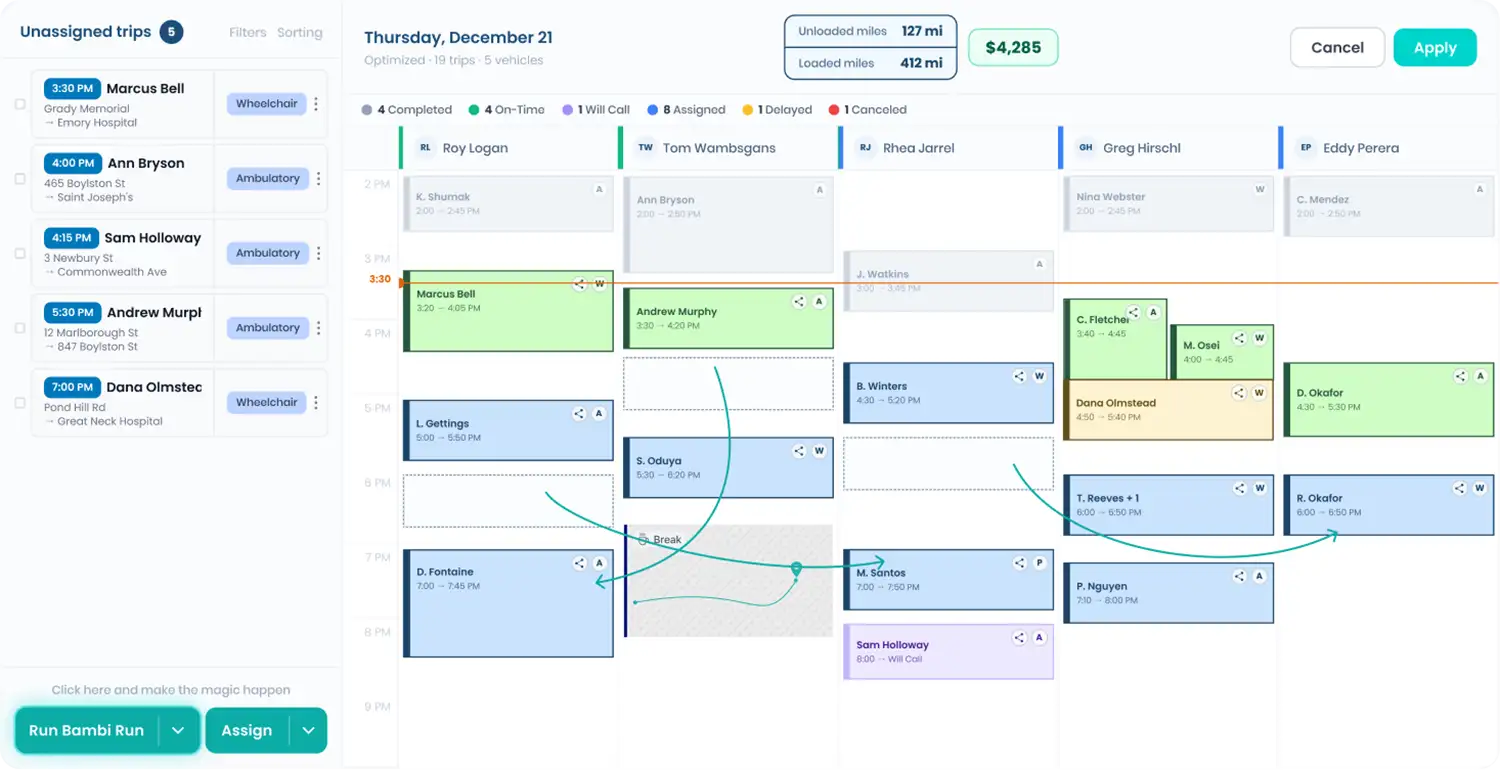
Starting an NEMT business means building something that pays the bills and genuinely helps your community get the care it deserves. This is the complete guide to getting started.
Below you will find the seven steps that apply in every state, and a full step-by-step guide tailored to your specific state. Because the rules, Medicaid programs, and broker networks change at the state line, the smartest move is to start with your state.

Pick your state to get the full, localized startup guide covering the local market, registration, regulations, funding, fleet, hiring, and technology.
Every successful NEMT launch follows the same seven steps. The details differ by state, so each step links to your state guide for the specifics.

Find out who already serves your area, what services are missing (wheelchair, stretcher, ambulatory, bariatric), and where the demand is. Talk to local healthcare facilities, dialysis centers, and senior communities. Gaps are opportunities.
Choose your entity (LLC is common), register with your state, get an EIN, and line up the permits. A clear plan is also what funders and brokers will want to see.

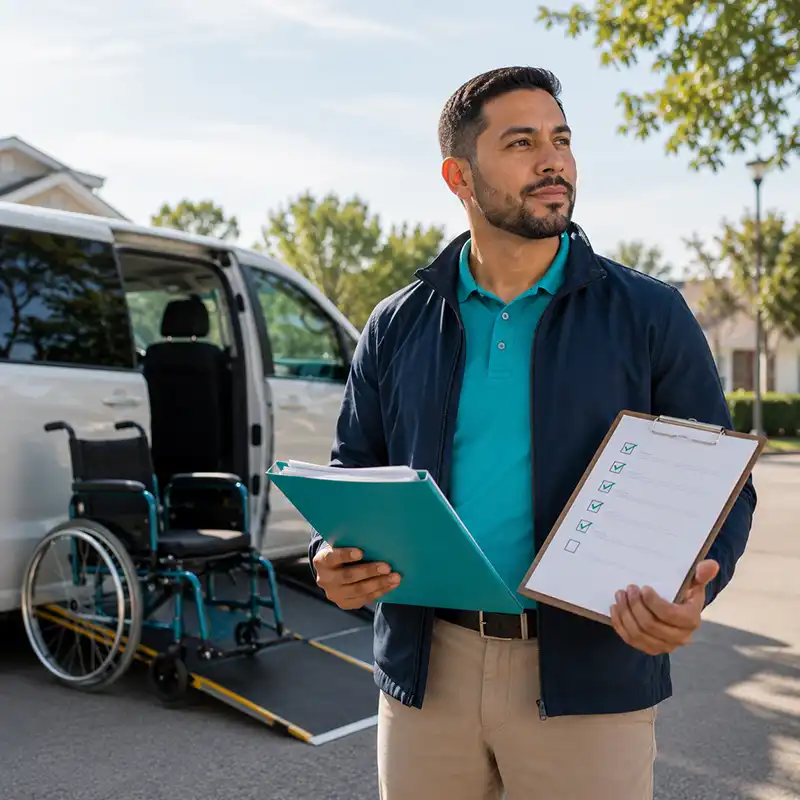
NEMT is regulated at both the state and federal level. You will need the right licensing and the right insurance (commercial auto, general liability, and often more). This is the step that trips up most first-timers, so get it right early.
Startup costs vary, but vehicles and insurance are the big line items. Options include small business loans, grants, and, in some states, programs aimed at rural or accessible transportation.

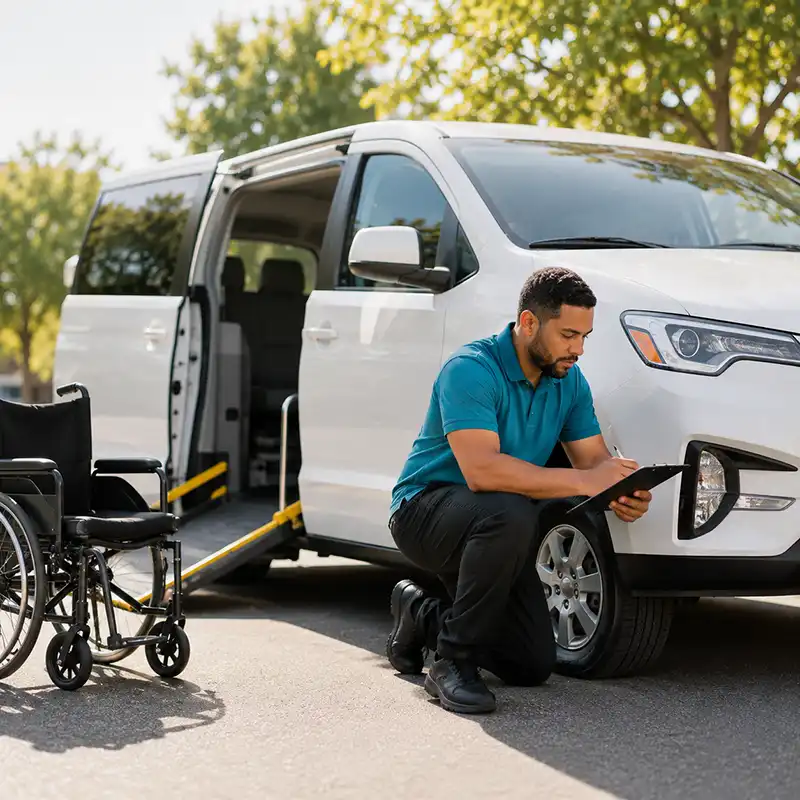
Buy or lease vehicles that match your target passengers, add wheelchair ramps or lifts where needed, and set up a maintenance routine that keeps you compliant and your passengers safe.
Safe, compassionate drivers and sharp dispatchers make or break an NEMT operation. Recruit well, train thoroughly, and build a culture people want to stay in.

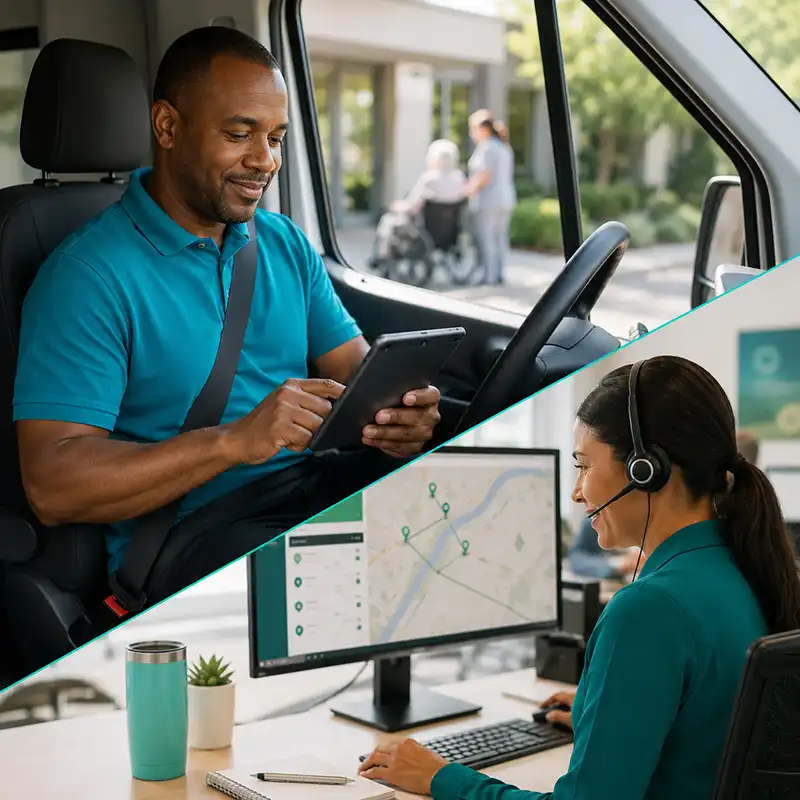
Modern NEMT runs on software. Scheduling, dispatch, route optimization, billing, and a driver app that used to take hours of manual work now happen with one click. This is where Bambi comes in.

Real numbers from a real provider: +34% daily efficiency, deadhead miles nearly halved, one vehicle freed up.


Everything you need to get on the road, from licensing and vehicles to your first contracts.

Licensing, vehicles, insurance, and Medicaid enrollment, step by step for your state.
The all-in-one platform built only for NEMT: scheduling, dispatch, billing, and the driver app in one place.