
Starting a Non-Emergency Medical Transportation (NEMT) business? Here’s what you need to know upfront:
- Profit Potential: NEMT businesses often see profit margins of 20–30%.
- Key Steps: Research your local market, create a business plan, register your business, obtain permits, and secure insurance (minimum $1.5M liability coverage).
- Fleet: Invest in reliable, wheelchair-accessible vehicles (e.g., used minivans under 150,000 miles, costing around $12,000).
- Staffing: Hire drivers with clean records, conduct background checks, and provide training in safety, ADA compliance, and patient care.
- Insurance: Cover all bases with commercial auto, general liability, workers’ compensation, and umbrella insurance.
- Growth: Start with Medicaid contracts for stable income and expand to private-pay clients and partnerships with healthcare providers.
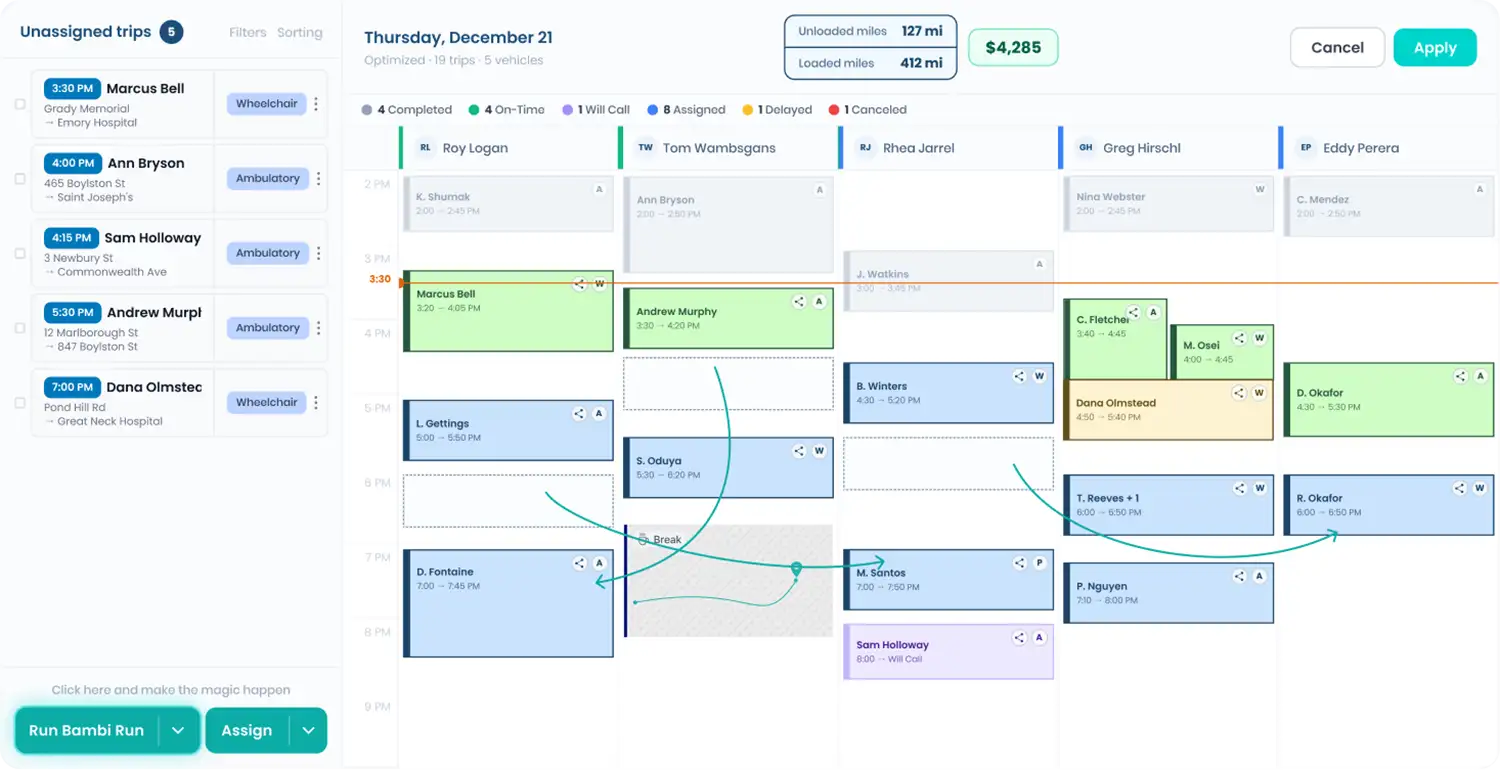
- Tools: Use software like Bambi's AI-powered platform for scheduling, tracking, and billing to streamline operations.
Summary: Build a solid foundation by focusing on compliance, safety, and service quality. With the right planning and tools, your NEMT business can meet growing demand while ensuring profitability.
Market Research and Planning
Once you've confirmed local demand, it's time to dive into analyzing your NEMT market.
Study Your Local Market
Take a close look at your local senior population and other groups that might need medical transportation services, such as dialysis patients, individuals with chronic conditions, or those undergoing post-injury therapy. These groups can provide a clear picture of demand in your area. Reaching out to Medicaid brokers can also help ensure steady revenue, as NEMT demand tends to remain stable even during economic downturns.
To expand your reach in the market, focus on these steps:
- Register with local procurement offices
- Build connections with senior care homes
- Network with social workers and administrators
- Partner with brokers, hospitals, and managed care organizations (MCOs)
Write Your Business Plan
Your business plan should clearly outline how you intend to carve out a share of the NEMT market, which often offers profit margins of 20–30%. Include these critical components in your plan:
ComponentKey ConsiderationsBusiness SetupForm a legal entity, secure necessary licenses, and obtain a National Provider Identifier (NPI).Service ModelBalance Medicaid NEMT services with private pay clients; cater to mobility-challenged individuals for non-medical transport.Fleet ManagementDecide on vehicle types, such as wheelchair-accessible vans, and whether to buy new or used.Hiring & TrainingPerform driver background checks, drug screenings, and ensure certifications like CPR and wheelchair securement.Insurance & LiabilityObtain NEMT auto insurance, general liability, worker's compensation, and umbrella insurance (around $1.5 million in coverage).
Here are some strategic points to keep in mind:
- Initial Focus: Start by securing Medicaid NEMT contracts to establish consistent income.
- Growth Strategy: Gradually expand your services to attract private pay clients.
- Vehicle Investment: Consider used minivans with less than 150,000 miles, typically costing around $12,000.
- Service Scope: Offer non-medical transport for individuals with mobility challenges.
"Success in NEMT lies not just in navigating this industry, but also in building and maintaining relationships." - Nygel Varghese
Build your marketing strategy around trust. Ensure your business is listed on Google My Business and focus your online efforts on healthcare facilities and senior care homes.
With a clear understanding of your market and a well-structured plan, you're ready to tackle the legal setup and permits.
Legal Setup and Permits
After completing your market research and creating a solid plan, it's time to handle the legal aspects of your business.
Register Your Business Structure
Start by selecting the right legal structure for your business, such as an LLC or partnership. Then, follow these steps:
- Check if your desired business name is available in your state's Secretary of State registry.
- Apply for an EIN (Employer Identification Number) through the IRS website.
- Submit the necessary formation documents online with your state's Secretary of State office.
Once your business is registered, focus on obtaining the permits and approvals required to operate legally.
Get Required Permits
Here are the key permits and approvals you’ll need:
- Apply for a basic business license through your state or local Department of Health and Human Services.
- Register for an NPI (National Provider Identifier) via the NPPES website.
- If you plan to operate from home, check local regulations and secure a zoning permit if needed.
Additionally, ensure compliance with important operational standards. This includes conducting driver drug screenings, background checks, and verifying driving records. If your business involves transporting passengers, make sure your vehicles meet ADA accessibility standards.
Once these legal steps are completed, you’ll be ready to tackle the vehicle requirements for your business.
Vehicle Requirements
Buy and Prepare Vehicles
Choose reliable, wheelchair-accessible minivans like the Toyota Sienna to ensure they last over time. Look for used models with fewer than 150,000 miles, costing around $12,000 each.
Your vehicles must meet these standards:
- Slip-resistant flooring and contrasting thresholds
- Proper lighting in stepwells and doorways
- Interior handrails to assist passengers
- Doorway heights: At least 56 inches for vehicles 22 feet or shorter; at least 68 inches for larger vehicles
- Lift capacity: At least 600 lbs for ramps longer than 30 inches or 300 lbs for shorter ramps with a maximum slope of 1:4
- Securement systems: Include wheelchair tie-downs and seat belts for all passengers
After purchasing, establish a thorough maintenance plan.
Create a Maintenance Schedule
Plan monthly checks to keep your vehicles safe and functional. Key tasks include:
- Testing lifts and ramps
- Inspecting slip-resistant flooring and contrasting color bands
- Verifying wheelchair securement systems are in working order
Insurance Coverage
Insurance protects your NEMT (Non-Emergency Medical Transportation) business from liability, vehicle damage, and potential fines for regulatory non-compliance.
Required Insurance Types
Commercial Auto Insurance
- Includes liability coverage (state-required limits, often up to $1.5 million) and physical damage protection.
General Liability Insurance
- Covers bodily injury, property damage, and issues related to premises liability.
Additional Coverages to Consider
- Workers' compensation
- SAM (Sexual Abuse and Molestation) coverage
- Umbrella insurance for added protection
How to Choose the Right Insurance Provider
Look for brokers who specialize in NEMT to ensure they understand the unique risks your business faces.
Selection CriteriaWhy It’s ImportantIndustry ExpertiseKnowledge of NEMT-specific risks and requirementsCoverage OptionsAbility to bundle auto, general liability, and SAM coveragePricingFair premiums and manageable deductiblesRisk Management ResourcesTools and guidance to improve safety practices
Once your insurance is in place, you’ll be ready to focus on hiring and training your team.
Staff Hiring and Training
Once your vehicles are registered and insured, the next step is building a reliable team. This ensures smoother operations while keeping insurance rates in check and minimizing liability risks.
Recruit Qualified Staff
Every driver you hire should meet strict qualifications. Here's what to look for:
RequirementDetailsDriving RecordMust be free of DUIs or major violationsBackground CheckClear criminal history is mandatoryDrug ScreeningMust pass initial and random drug testsLicensingValid driver’s license with necessary endorsementsInsurance ApprovalDriving record must be approved by your provider
Train Drivers in Core Skills
Proper training is essential to prepare your drivers for the challenges of the job. Focus on these key areas:
- Safety & Securement
- Certification in PASS (Passenger Assistance, Safety, and Sensitivity)
- CPR and First Aid training
- Defensive driving techniques
- Specialized wheelchair securement training (offered by programs like the National Rural Transit Assistance Program)
- Patient Care & Communication
- Techniques for assisting patients effectively
- Training in cultural sensitivity
- Skills for conflict resolution
- Emergency response preparation
- Technical & Compliance
- Awareness of vehicle maintenance needs
- Understanding of ADA compliance requirements
- Proper documentation practices
- Safe operation of specialized equipment
The rise in traffic fatalities highlights the importance of thorough driver training. To ensure your team stays competent, set up regular training sessions covering:
- Updates on safety protocols
- Changes in regulations
- New equipment usage
- Emergency response strategies
Once your team is fully trained and qualified, you’ll be ready to implement management software and establish efficient workflows.
Software and Systems Setup
Once your drivers are onboarded and certified, it's time to focus on software setup. After completing staffing and training, install management software and establish clear workflows.
Install Management Software
Set up Bambi's AI-powered platform, which includes these key features:
FeatureBusiness BenefitDynamic SchedulingReduces scheduling time by 50% Real-time TrackingProvides live vehicle monitoring and route adjustmentsDriver AppStreamlines trip management and improves communicationBroker IntegrationSimplifies billing and ensures compliance workflowsCredit Card ProcessingOffers clients flexible payment options
Once the software is in place, focus on defining workflows to maximize these benefits.
Create Work Procedures
Clear procedures ensure smooth operations. Here's what to prioritize:
- Scheduling Protocol: Outline each step for booking and assigning drivers.
- Communication Standards: Establish guidelines for dispatcher updates, client notifications, and handling emergencies.
- Quality Control: Plan regular audits to check punctuality, vehicle condition, and driver performance.
"Integrating advanced scheduling software and real-time tracking systems has revolutionized how we operate. Our efficiency has improved dramatically, leading to better service for our clients"
Support these procedures with ongoing staff training, secure system backups, robust data protection, and consistent performance monitoring.
Pricing and Money Management
Once your scheduling and billing tools are ready, it’s time to determine your pricing model and set up payment systems.
Set Service Rates
Your rates should reflect your costs, market demand, and industry standards:
Service TypeWeekday RateOff-Hours/WeekendHolidayAmbulatory$25–$30$30–$40$35–$45Wheelchair$45–$50$75–$90$85–$100Gurney$100–$200$125–$225$150–$250Mileage (per mile)$3–$5$5–$7$5–$10
You may also need to charge additional fees for specific situations:
- Wait time: $15–$30 per 30 minutes
- Extra attendant: $5–$10 per trip
Business owners in this field generally earn between $40,000 and $60,000 annually.
Set Up Payment Systems
Implement billing processes for both public and private payers:
- Medicare/Medicaid
- Follow your state’s delivery model (fee-for-service, managed care, or transportation broker).
- Complete all necessary enrollment steps.
- Private Pay and Contracts
- Include service agreements, workers' compensation, private insurance, and Veterans Administration payments.
Keep detailed, organized records for every transaction and audit. Using automated billing features in your management software can simplify collections and reduce manual work.
Business Growth
Once your rates are set and payment systems are up and running, it's time to focus on building partnerships and expanding your outreach efforts.
Build Partnerships with Healthcare Facilities
Establishing relationships with healthcare facilities is key to maintaining and growing your service. Focus on connecting with:
- Senior care homes: Schedule in-person visits to discuss your services and build trust.
- Hospitals: Meet vendor requirements to secure approval for your services.
- Managed Care Organizations (MCOs): Complete their onboarding process and work on seamless integrations.
- State institutions: Ensure you're registered with procurement offices to open up opportunities.
Here’s a quick action plan to get started:
- Register with procurement offices to meet state requirements.
- Visit senior care homes and hospitals to gain vendor approval.
- Complete onboarding processes with MCOs and establish integrations.
Kick Off Marketing Efforts
Use digital marketing to increase visibility and attract more clients. Start with these steps:
- Optimize your Google My Business profile: Ensure all information is accurate and up-to-date.
- Stay active on Facebook: Post regular updates to engage with your audience.
Providing dependable and courteous service to your current clients is just as important. Satisfied customers often lead to referrals from healthcare providers and social workers. Focus on delivering consistent, high-quality transportation while maintaining strong professional relationships with facility staff. This combination of marketing and excellent service can help your business grow steadily.
Rules and Service Quality
Stay Updated on Rule Changes
It's important to keep up with changing federal and state NEMT regulations to ensure your vehicles meet ADA compliance and other standards. For example, some states, like Virginia, require all fleets to include ADA-compliant vehicles, which can go beyond federal requirements.
To stay informed:
- Join industry groups: Participate in NEMT associations, attend events, and sign up for regulatory newsletters.
- Use local resources: Take advantage of state-specific tools and associations for help with enrollment, training, and policy updates.
Regularly revisit your Vehicle Requirements to update ADA specifications as regulations evolve.
Maintain High Service Quality
Monitor service quality consistently to ensure a positive experience for clients. Use methods like:
- Conducting monthly ride audits
- Gathering feedback through client satisfaction surveys
- Tracking on-time performance and incident reports
These steps will help you identify areas for improvement and maintain reliable service.
Conclusion
Launching an NEMT startup requires careful planning across legal, financial, and operational aspects, as well as building strong connections within the healthcare industry. Start by securing Medicaid contracts and then gradually include private-pay clients in your services.
Focus on having accessible vehicles, proper insurance coverage (at least $1.5 million liability), and thoroughly vetted, certified staff. As your business grows, stay up-to-date with safety and ADA requirements to ensure compliance with industry standards.
Consider using AI-based scheduling tools early on to streamline operations and support long-term growth. With these key elements in place, your NEMT business will be well-prepared to provide essential healthcare transportation and grow successfully.