

Hello there, Virginia soon-to-be NEMTrepreneurs and trailblazers! In this edition of our NEMT state series, we’re exploring the Old Dominion, where history, community and innovation come together to create a fun foundation for businesses like yours. Starting a non-emergency medical transportation (NEMT) business in Virginia isn’t just about mobility logistics, it’s about improving lives and connecting communities across the state’s diverse regions.
So you know, Virginia’s nickname, the Old Dominion, speaks to its deep roots in tradition and resilience, traits that are oh-so Bambi essential in building a successful NEMT business. From the bustling streets of Richmond and Virginia Beach to the scenic Blue Ridge Mountains and rural heartlands, your services can bridge gaps in healthcare access, making sure everyone from seniors to those with limited mobility gets to their appointments safely and on time.
Do note, though, that setting up an NEMT business in Virginia requires careful planning, a good understanding of state-specific requirements and the drive (yes, a punn we intended) to make a positive impact. Here’s the roadmap we’ve mapped out for you in the chapters ahead:
- Understand Virginia’s NEMT Landscape
- Develop a Solid Business Plan and Register Your Company
- Tackle Federal and State Regulations
- Get Funded
- Build a Fleet Fit for Virginia’s Roads
- Recruit a Reliable Team
- Embrace NEMT Technology
Running an NEMT business in Virginia goes beyond offering rides, it’s about empowering individuals to access essential healthcare services. With the Old Dominion’s spirit of resilience guiding your way and a sprinkle of Bambi know-how, we’re sure you’re all set to make your mark. So, let’s buckle up Bambi style and make it happen! Virginia is ready for your dedication, heart and innovative spirit!
This is the Virginia chapter of Bambi's complete guide to starting a NEMT business, covering the seven steps that apply in every state plus a guide for all 50.
In This Guide
- Part 1: Market Overview
- Part 2: Business Plan
- Part 3: A Guide to Local Regulations
- Part 4: Funding Essentials
- Part 5: Fleet Essentials
- Part 6: How to Build Your NEMT Dream Team in Virginia
- Part 7: Embrace Technology
Part 1: Market Overview
Welcome to the first step in launching your NEMT business in Virginia! The Old Dominion is calling, with its blend of bustling cities, scenic landscapes and vibrant bustling communities. If you're ready to combine your entrepreneurial spirit with a passion for helping others, then this guide is your best Bambi tool in that forest shed to help you pave the road to success.
1 | Understand Virginia’s NEMT Landscape
Before diving in properly, be sure to really take some time to grasp how non-emergency medical transportation operates in Virginia. The state’s Medicaid program, Virginia Medicaid, provides NEMT services to eligible recipients through a managed care structure. Contracted brokers coordinate these services to ensure they meet state and federal standards.
Here’s who you’ll definitely encounter in Virginia’s NEMT market:
- Modivcare: the fee-for-service broker, statewide. For Cardinal Care managed care it gets harder on purpose: DMAS replaced its published vendor list with a phone-only contact list, so there is no current public mapping of which plan uses which vendor. Calling the plan is not a workaround here, it is the intended route.
- Independent Operators: Smaller providers often fill gaps in rural areas or offer specialized services.
- Healthcare Systems: Major players like Sentara Healthcare and Inova Health System rely on dependable NEMT services to connect patients to care.
2 | Assess the Demand for NEMT Services in Virginia
Virginia’s diverse geography and growing population create strong demand for reliable medical transportation. Here are key factors driving NEMT needs in the state:
- Rural and Suburban Access: In regions like Southwest Virginia and the Northern Neck, limited public transportation makes NEMT a lifeline.
- Growing Senior Population: With more seniors aging in place, transportation to routine medical appointments is a growing need.
- Specialized Care Facilities: Dialysis centers, cancer treatment clinics and behavioral health facilities generate consistent demand.
3 | Identify Your Target Audience
Virginia’s population is as diverse as its landscapes. Here are some client groups you might want to consider serving:
- Rural Residents: Focus on dependable transportation options for areas where public transit isn’t reliable nor available.
- Medicaid Beneficiaries: A significant portion of your clientele will rely on Medicaid to cover transportation costs.
- Seniors and Individuals with Disabilities: Accessible, client-focused services are vital for these groups.
4 | Choose Your Niche
Specializing your services can help you stand out in Virginia’s competitive market. Here are a few ideas:
- Rural Expertise: Serve residents in areas like the Shenandoah Valley or Tidewater region.
- Urban Focus: Offer efficient, reliable services for patients in metro hubs like Fairfax or Norfolk.
- Accessible Care: Provide wheelchair-friendly vehicles and compassionate service to meet varying mobility needs.
5 | Navigate Virginia’s Medicaid NEMT Model
Virginia operates under a Managed Care model for Medicaid, with the state contracting managed care organizations (MCOs) to oversee Medicaid services, including NEMT. Understanding how Medicaid payment systems and service coordination work is key to running a successful NEMT business in Virginia.
- NEMT Model: Managed Care model under Virginia Medicaid, with MCOs responsible for coordinating NEMT services.
- Operating Authority: Medicaid services, including NEMT, are coordinated through MCOs, which are contracted by Virginia Medicaid.
- Expense Classification: NEMT expenses are classified as medical costs under Virginia Medicaid.
- Poverty Rate: Approximately 12% of Virginia's population lives below the federal poverty line, indicating significant reliance on Medicaid-funded NEMT services.
- Urban Population: Around 80% of Virginia's residents live in urban areas.
- Annual NEMT Expenses: Estimated annual NEMT spending in Virginia is around $50 million.
- Annual NEMT Trips: Approximately 2.5 million annual NEMT trips are made in Virginia.
6 | Set a Secure Payment Strategy
A well-organized payment structure ensures smooth operations. Consider these strategies:
- Broker Partnerships: contract with Modivcare for fee-for-service work, then call each Cardinal Care plan you want volume from and ask who handles its transportation.
- Private Pay Options: Expand your reach with fair and honest payment plans for clients who are uninsured or not covered by Medicaid.
- Accurate Invoicing: Keep detailed records and invoice promptly to maintain consistent cash flow. This is a Bami NEMTpreneur must!
Virginia’s combination of historical significance, community spirit and diverse needs makes it a fantastic location to start your NEMT business. By understanding the market and carving out your niche, you’ll be ready to hit the road and make a real difference in people’s lives.
Stay tuned for Part 2, where we’ll map out the essentials for crafting a business plan that’s as solid as Virginia’s Blue Ridge Mountains. Or head back to the table of contents to explore more tips from Bambi Knows Best. Ready to roll or prefer to frolick instead? Either way you’re moving forward, so let’s get going!
Part 2: Business Plan
From the Shenandoah Valley to the bustling streets of Richmond, starting a non-emergency medical transportation (NEMT) business in Virginia involves careful planning and local knowledge. With the right business plan and Bambi hooves, your business can provide vital transportation services to Virginia residents, helping them access medical care across urban and rural communities.
1 | Select the Right Business Structure
In the state of Virginia, the most popular business structure for NEMT companies is the Limited Liability Company (LLC), which offers personal asset protection and flexibility. However, if you’re looking for simplicity and less administrative overhead, a sole proprietorship might work. If you have plans to expand and scale quickly, consider forming a corporation or partnership.
Expert Tip: Consult with a local Virginia attorney or accountant to determine which structure is best for your goals and business size.
2 | Register Your Business Name
Choose a name that reflects your business and resonates with Virginia’s community spirit. Make sure to check the availability of your business name using the Virginia State Corporation Commission’s online database. Once you find out that your name is available, you can proceed with registration.
3 | Obtain Your EIN
Your Employer Identification Number (EIN) is required to handle taxes, employee payroll, and banking. You can easily apply for this through the IRS website free of charge. Think of your EIN as the key to doing business in Virginia’s economy.
4 | Understand Virginia’s Tax Obligations
Virginia offers a business-friendly tax environment, but your NEMT business will need to comply with several taxes:
- Sales Tax: Depending on your specific services, sales tax may apply.
- Payroll Tax: If you hire employees, you must pay payroll tax.
- Unemployment Insurance Tax: This is required for employers in Virginia. Check the Virginia Department of Taxation for a complete list of tax obligations.
5 | Secure Licenses and Permits
To legally operate as an NEMT provider in Virginia, you must follow these steps:
- Register as a Medicaid transportation provider through the Virginia Department of Medical Assistance Services (DMAS).
- Depending on where you’re operating, you may need additional local permits or licenses, which can be checked through the Virginia Department of Professional and Occupational Regulation (DPOR).
- If your NEMT service will integrate with public transportation options, contact the Virginia Department of Rail and Public Transportation (DRPT) for any necessary coordination.
Once your business plan is in a pretty place and you’re pacing along well, having completed these key steps, you’ll be on track to serve Virginia’s residents, from urban centers like Richmond and Virginia Beach to rural towns that rely on Medicaid-funded NEMT services. In the meantime, keep an eye out for Part 3, where we’ll explore insurance, compliance and more tips for getting your NEMT business rolling in Virginia!
Part 3: A Guide to Local Regulations
Congratulations! You’ve laid the groundwork for your NEMT business. That’s probably one of the hardest steps. It’s a foundation after all and should be solid! And now, it’s time to tackle the next big important phase: aligning your operations with Virginia’s unique regulatory requirements. From understanding state-specific rules to securing the right insurance, this Bambi guide ensures you’re prepared to serve Virginians across its diverse urban and rural landscapes.
Here’s a step-by-step (or better said: hoof-by-hoof) Bambi breakdown to keep your NEMT business compliant and competitive:
1 | Familiarize Yourself with Virginia’s NEMT Guidelines
Virginia’s Medicaid NEMT services are coordinated through the Department of Medical Assistance Services (DMAS), often delivered via Managed Care Organizations (MCOs). These ensure qualified patients receive transportation to essential medical appointments.
To register as a Medicaid NEMT provider, you’ll need to:
- Submit an application to DMAS or the appropriate MCOs.
- Ensure your vehicles meet accessibility standards.
- Provide driver training in areas like passenger safety and sensitivity.
- Comply with state and federal safety and service expectations.
Local networking can be a great asset, so connect with established NEMT providers to learn best practices and get advice on overcoming common challenges. They might just become your Bambi friends!2 | Follow Federal NEMT StandardsVirginia, like all states, adheres to federal guidelines established by the Centers for Medicare & Medicaid Services (CMS). These emphasize safety, accessibility and reliability in NEMT operations.Whether you’re navigating the bustling streets of Northern Virginia, servicing clients in Richmond or helping residents in the Shenandoah Valley, adhering to these federal standards ensures you provide dependable, professional service across the board.3 | Secure Comprehensive InsuranceInsurance is an absolute non-negotiable for NEMT providers. In Virginia, you’ll need:
- Commercial Auto Insurance for accidents or damages.
- General Liability Insurance to protect your clients.
- NEMT-Specific Coverage tailored to healthcare transportation risks.
Virginia’s varying terrains, from busy highways to winding rural Bambi-esque roads, mean you’ll benefit from partnering with insurers who understand the state’s unique challenges.
4 | Obtain Required Licenses and PermitsTo operate legally in Virginia, ensure you meet these key requirements:
- Register with DMAS or the relevant MCOs to become a Medicaid provider.
- Apply for local business licenses through your city or county government.
- Secure permits for vehicle compliance and accessibility.
Early preparation helps avoid delays, ensuring you’re ready to hit the road as soon as possible.
5 | Meet Employer ObligationsAs your business grows, you’ll need to comply with Virginia’s employer regulations, such as:
- Workers’ Compensation Insurance for employee protection.
- Unemployment Insurance registration via the Virginia Employment Commission (VEC).
- Adherence to labor laws and the establishment of a safe, fair workplace.
Building a strong workplace culture not only boosts employee satisfaction but also enhances the quality of care your clients receive. And you know how everyone and everyone’s business (especially startups!) love a good Google review, so be Thumper nice to all!By mastering Virginia’s regulations and securing comprehensive insurance, you’ll establish a solid foundation for your NEMT business. Beyond transportation, your services will be a lifeline in the healthcare system, ensuring your community members can access the care they need.Stay tuned for Part 4, where we’ll dive into funding and growth opportunities, or revisit the Bambi Knows Best table of contents for more guidance on launching your business in Virginia!
Part 4: Funding Essentials
Securing the right funding is a crucial strategic step when launching your NEMT business in Virginia. Whether you’re targeting urban areas like Richmond or providing essential transport services in the rural corners of the Shenandoah Valley, there are funding resources to keep your business running smoothly. Let’s frolick right into your financial options, Bambi-style!
1 | Leverage SBA Loans
The US Small Business Administration (SBA) offers excellent loan programs for entrepreneurs starting a business in Virginia. The SBA 7(a) Loan and 504 Loan programs are designed for small businesses like yours. These loans can help cover startup costs, from purchasing vehicles for your fleet to outfitting your office. You do you with your finances, but we encourage you to at least act a bit more frugal at the start.
Virginia’s local banks and credit unions also provide small business loans, so check out community lenders like Virginia Credit Union or TowneBank. They understand the local market and might offer loan packages suited to your NEMT needs.
Feeling a bit uncertain about the process? Reach out to the Virginia Small Business Development Center (SBDC) for expert advice on navigating loan applications and funding opportunities.
2 | Explore Virginia State Programs
Virginia is a hub for innovation and collaboration. The Virginia Economic Development Partnership (VEDP) offers various financial incentives, including low-interest loans and grants to support small businesses in the transportation and healthcare sectors.
Local initiatives, like those in Harrisonburg or Lynchburg, could also offer funding or tax incentives to encourage business growth in the region. Be sure to investigate any city-specific programs tailored to your line of NEMT work.
3 | Pursue Grant Opportunities
Grants are a fantastic source of funding for small businesses, especially for projects that serve community needs. At the federal level, Grants.gov features a wide range of programs for healthcare access and transportation solutions. If your NEMT service is aimed at underserved areas in Virginia, USDA Rural Development grants may be particularly valuable.
On the local front, organizations like the Virginia Community Capital and The Community Foundation for Northern Virginia offer grants for businesses that aim to enhance community well-being. Check their guidelines to see if your NEMT business qualifies for their funding.
4 | Build Strong Community Ties
In Virginia, success often comes from forging strong community relationships. Engage with local business networks like the Virginia Chamber of Commerce or area-specific groups like the Roanoke Regional Chamber of Commerce to connect with potential investors, mentors, and partners.
Virginia’s network of small business incubators and entrepreneurial hubs can also be valuable resources for funding and collaboration. Attend business meetups, networking events and local festivals to get to know the community, sometimes, the best opportunities arise from the most unexpected convos. How do you think Thumper and Bambi met and became dear old pals after all? From a simple chit chat in the woods and the rest is Disney history!
Anyway, by combining SBA loans, state-backed initiatives, grant funding and local connections, you’ll create a financial strategy that propels your NEMT business forward. Whether you’re driving in Virginia Beach or assisting clients in the Appalachian Highlands, you’ll be ready to meet the needs of your community while growing your business.
Stay tuned for Part 5, where we’ll cover fleet management essentials for your NEMT business. Or, you can always revisit the Bambi Knows Best table of contents to dive deeper into launching your business in Virginia!
Part 5: Fleet Essentials
Building a fleet for your NEMT business in Virginia means ensuring your vehicles are equipped to handle a variety of terrain, from the urban sprawl of Richmond to the winding roads of Appalachia. With the right vehicles, your fleet will ensure a safe and reliable service for your passengers, no matter where they need to go in the Old Dominion. Let’s dive into how to build a fleet that thrives in Virginia’s diverse environment.
1 | Choose Vehicles for Virginia’s Unique Needs
Virginia’s varied landscape means that your NEMT fleet must be Bambi versatile. It’s a must to begin with ADA-compliant vehicles to ensure access for all passengers, including those who use mobility devices. Wheelchair lifts, ramps and spacious interiors are essential to ensure your service is fully inclusive.
Given the state’s wide range of driving conditions, from coastal humidity to mountain snowfall, your fleet should be fuel-efficient and capable of handling Virginia's fluctuating weather patterns. Opt for vehicles with anti-lock brakes, all-wheel drive and enhanced traction control for superior handling in challenging conditions. Eco-friendly vehicles, like hybrids or electric vehicles (EVs), are not only in demand for their sustainability, but they may also qualify for state or federal incentives, making them a cost-effective option for your business. Plus, as the state continues to push for greener initiatives, you’ll be supporting Virginia’s commitment to the environment.
2 | Prioritize Passenger Safety and Comfort
Passenger safety and comfort are paramount in building a trustworthy NEMT service. Start with the basics, seat belts, airbags, and ADA-compliant safety features like wheelchair restraints and secure seating.
Beyond that, consider offering extra comforts for your passengers. Climate control, hand sanitizers, and even small touches like soothing music can enhance the experience. Drawing inspiration from Virginia’s natural beauty, whether it's nature sounds or a touch of Virginia wine country elegance, can make the journey feel more relaxed and welcoming. Building strong relationships with local suppliers for equipment and regular maintenance is key. Whether in urban centers like Norfolk or rural spots like Wytheville, these connections will enhance your business reputation and ensure high-quality service across the state.
3 | Commit to Regular Maintenance and Inspections
Virginia’s diverse weather and road conditions make ongoing vehicle maintenance essential to your fleet’s success. Make sure your vehicles are ready for whatever challenges come their way by setting up a regular maintenance schedule. This should include:
- Routine tire checks for safe handling
- Accessibility feature inspections to ensure proper function
- Regular oil changes and engine tune-ups
Stay in line with Virginia Department of Transportation (VDOT) safety regulations to ensure that your fleet is compliant. Staying on top of these maintenance needs ensures that your vehicles are reliable and ready to meet the transportation needs of your clients.
By choosing the right vehicles and committing to regular upkeep, your fleet will serve Virginia’s diverse communities with reliability, safety, and comfort. Whether you're navigating the winding mountain roads or the bustling streets of Arlington, your NEMT business will have the fleet to support your success.
Ready for the next step? Check out Part 6, where we’ll discuss hiring and training your NEMT team. Or, head back to the Bambi Knows Best table of contents for more tips on building your NEMT business in Virginia!
Part 6: How to Build Your NEMT Dream Team in Virginia
Creating a reliable NEMT team in Virginia means finding skilled, compassionate individuals who can navigate the hustle of Richmond, the serene, winding roads of the Shenandoah Valley and customer care with that Bambi one-of-a-kind kindness. Whether maneuvering through city traffic or traversing the rural countryside, your team must be ready for anything.
Here’s how we suggest you recruit and train up the perfect team for your Virginia-based NEMT service:
1 | Finding Your Dream Team
Virginia’s workforce is a blend of urban professionals and rural community members who value local connections and teamwork. When hiring, look for individuals who have a deep understanding of Virginia’s charm, the friendly atmosphere, respect for nature and the dedication to community. Start by posting on job platforms like Indeed and LinkedIn for broader reach (you never know who is keen to move city or states for your biz), but make sure to connect with local resources like Virginia Employment Commission or community colleges, such as Northern Virginia Community College.
Virginia’s small towns and rural areas are tight-knit, so attending local job fairs in cities like Lynchburg or Roanoke can help you tap into a motivated and reliable workforce. Hiring locally not only strengthens your team but also builds relationships within the community, which is especially important when operating in rural areas.
2 | Training Your Team for Virginia’s Diverse Terrain
Once you’ve built your dream team, it’s time to equip them with the skills needed to handle Virginia’s diverse conditions. Whether it’s the hustle of Alexandria or the unpredictable weather in Appalachia, proper training is key:
- Safe Driving Practices: Training should cover how to safely navigate urban streets, rural roads, and mountain passes with confidence.
- ADA Compliance: Ensure your team is well-versed in operating wheelchair lifts, handling mobility devices, and accommodating passengers’ needs.
- Weather Awareness: With Virginia’s unpredictable weather, from snow in the winter to humidity in the summer, your team needs to be prepared for any condition.
- Customer Service: Virginia residents value hospitality and politeness. Training should focus on offering a warm, friendly experience with each ride, no matter how far they travel.
3 | Building a Positive, Team-Centered Culture
A positive, supportive culture is essential to keep morale high and turnover low. In Virginia, celebrating achievements and creating a sense of camaraderie can go a long way in fostering loyalty. Host team-building events like a hike through the Appalachian Trail or a gathering at a local vineyard, these activities strengthen your team’s bond and remind them of the impact they have on the community.
Encourage open communication, so your drivers and staff feel heard. Whether it’s a suggestion for improving service or a way to celebrate a job well done, fostering a culture of inclusivity and respect will keep your team motivated and dedicated. By hiring locally, providing excellent training va and building a team-first culture, your NEMT business in Virginia will be well-equipped to deliver outstanding service, whether in the city or the countryside.
Ready for the next step? Check out Part 7, where we’ll dive into the tech tools that can help streamline your Virginia NEMT operations. Or, head back to the Bambi Knows Best table of contents for more insights on growing your business in the Old Dominion.
Run the numbers: the free NEMT startup cost calculator adds up the cash you need to open: vehicles, licenses, the insurance down payment, driver onboarding and months of operating runway.
Part 7: Embrace Technology
Wahoo, congrats! You’re almost at the finish line of this guide. Now, let’s dive into what can make your Virginia NEMT business stand out from the crowd: smart aiNEMT technology. Virginia’s spirit of efficiency and progress is the perfect backdrop for innovative tools that can make your operations run smoother than a ride through the Blue Ridge Mountains. Here's how to leverage technology to boost your NEMT business in Virginia.
Leverage the Power of NEMT Software
Managing an NEMT business across Virginia’s vast and varied landscape requires the right tech tools. From navigating the busy streets of Richmond to driving through the picturesque Shenandoah Valley, NEMT-specific software helps you manage everything with ease.
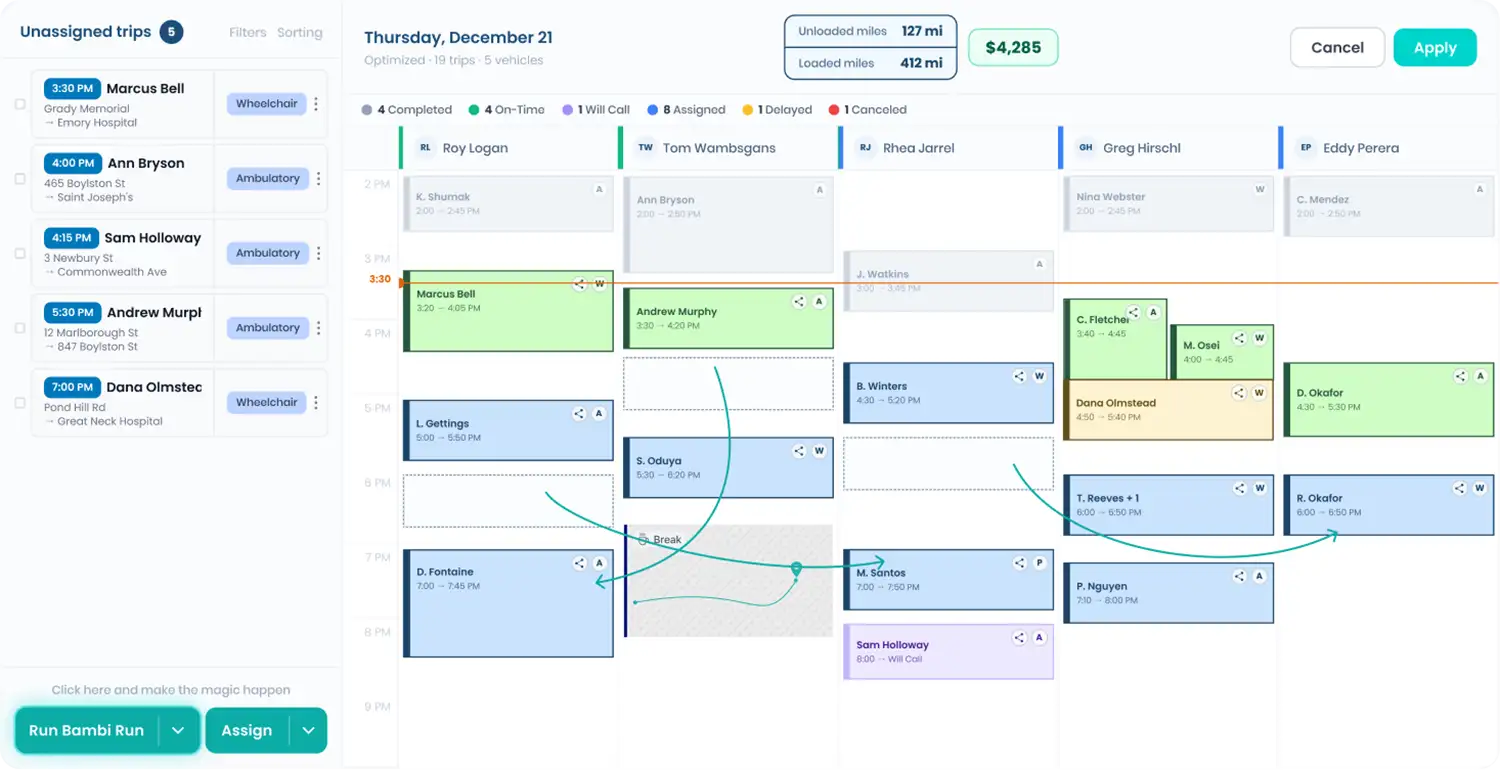
These NEMT SaaS platforms (like ours!) are game-changers for scheduling trips, optimizing routes and tracking vehicles in real time. GPS tracking, especially in Virginia’s mountainous and rural areas, is vital. By using real-time tracking and automated dispatching, your business will be prepared for whatever comes your way, from sudden weather changes to unforeseen route challenges.
Stay Ahead with Digital Scheduling
In Virginia, you’ll be serving both urban populations and clients in remote areas, so a solid scheduling system is essential. Digital scheduling platforms allow you to streamline appointment bookings, manage your fleet, and optimize routes for all kinds of terrain. Plus, these tools can handle last-minute changes quickly, ensuring your passengers receive the best service possible.
Whether you're organizing rides to medical facilities in Norfolk or coordinating transportation in rural towns like Abingdon, digital scheduling enhances both efficiency and customer satisfaction. Again, remember those Google reviews?!
Build Trust Through Reliable Operations
It’s not just about efficiency – it’s about creating trust with your passengers. By using technology, you show your clients that their rides are scheduled transparently and communicated clearly. Real-time updates and seamless communication help passengers know that they’re in capable hands. Plus, many NEMT software solutions come with built-in compliance features, ensuring that your business meets ADA requirements and maintains high standards of care.
Embracing the right technology for Virginia’s diverse landscape will set your NEMT business up for long-term success. Ready to take the next step? Get in touch with us today for a demo, and let’s make your Virginia NEMT business the best it can be!