Wheelchair users face significant challenges with Non-Emergency Medical Transportation (NEMT), often leading to missed medical appointments and safety risks. This article identifies five key issues that affect accessibility and offers practical solutions:
Outdated or faulty vehicle equipment : Unsafe ramps, lifts, and tie-down systems can cause injuries and ADA compliance violations.
Insufficient driver training : Many drivers lack the skills to properly secure wheelchairs or assist passengers safely.
Inaccurate trip records : Poor documentation leads to claim denials, billing disputes, and mismatched vehicle assignments.
Medical necessity documentation errors : Vague or incomplete records can delay or deny essential transportation services.
Neglect of passenger comfort : Poorly maintained vehicles and inadequate attention to ergonomics can make trips stressful and physically taxing.
Addressing these issues requires better equipment, thorough driver training, accurate documentation, and a focus on passenger needs. Leveraging technology like NEMT-specific software can streamline processes and improve safety, compliance, and overall service quality.
1. Poor Vehicle Equipment and Securement Systems
Wheelchair lifts , ramps, and securement systems are the backbone of safe Non-Emergency Medical Transportation (NEMT) services. When this equipment is outdated, poorly maintained, or insufficient, it creates serious safety risks and compliance issues that can jeopardize both passengers and service providers.
NEMT vehicles are required to have wheelchair ramps or lifts, secure tie-down systems, and trained drivers to ensure safe transport for passengers. However, many providers operate with subpar equipment, creating unsafe conditions on every trip.
How Poor Equipment Impacts Safety and Compliance
Equipment failures pose direct risks to passengers, especially during boarding and exiting. Each year, over 37,000 older adults are injured while entering or exiting vehicles, and many of these incidents are linked to faulty or inadequate equipment. Malfunctioning lifts and damaged ramps - especially those lacking proper slip resistance - can lead to serious injuries during these vulnerable moments.
Securement systems are another critical area. Both manual and electric wheelchairs require proper tie-downs to prevent movement during transit. When securement systems fail, wheelchairs can shift or tip over during stops, increasing the risk of injury. This instability not only endangers passengers physically but also causes significant stress for individuals who rely on their wheelchairs for safe travel.
Compliance with the Americans with Disabilities Act (ADA) is non-negotiable. ADA regulations mandate that NEMT vehicles meet specific standards for boarding devices and securement points. Larger vehicles and ramps must also adhere to strict requirements for load capacity, slip resistance, and dimensions.
Failure to comply with these standards can lead to regulatory penalties, loss of certifications, and even suspension of operations. In some cases, insurance companies may deny injury claims stemming from inadequate securement, leaving providers responsible for medical expenses and damages.
Steps to Improve Vehicle Accessibility
Fixing equipment issues requires a combination of smart investments, consistent maintenance, and thorough driver training. The first step is investing in equipment that aligns with current standards and meets the needs of your passengers.
When choosing vehicles, it’s crucial to consider the specific requirements of wheelchair users. The ideal wheelchair-accessible van balances accessibility, safety, and comfort. Features like ramps for manual wheelchairs, hydraulic lifts for heavier electric models, and flexible securement systems to accommodate various wheelchair sizes are essential. Additionally, many NEMT vans need extra interior space to handle larger or motorized wheelchairs.
Securement systems should include durable tie-down straps that keep wheelchairs firmly in place during transit. Similarly, ramps and hydraulic lifts must meet safety standards for load capacity, slip resistance, and slope to ensure reliability.
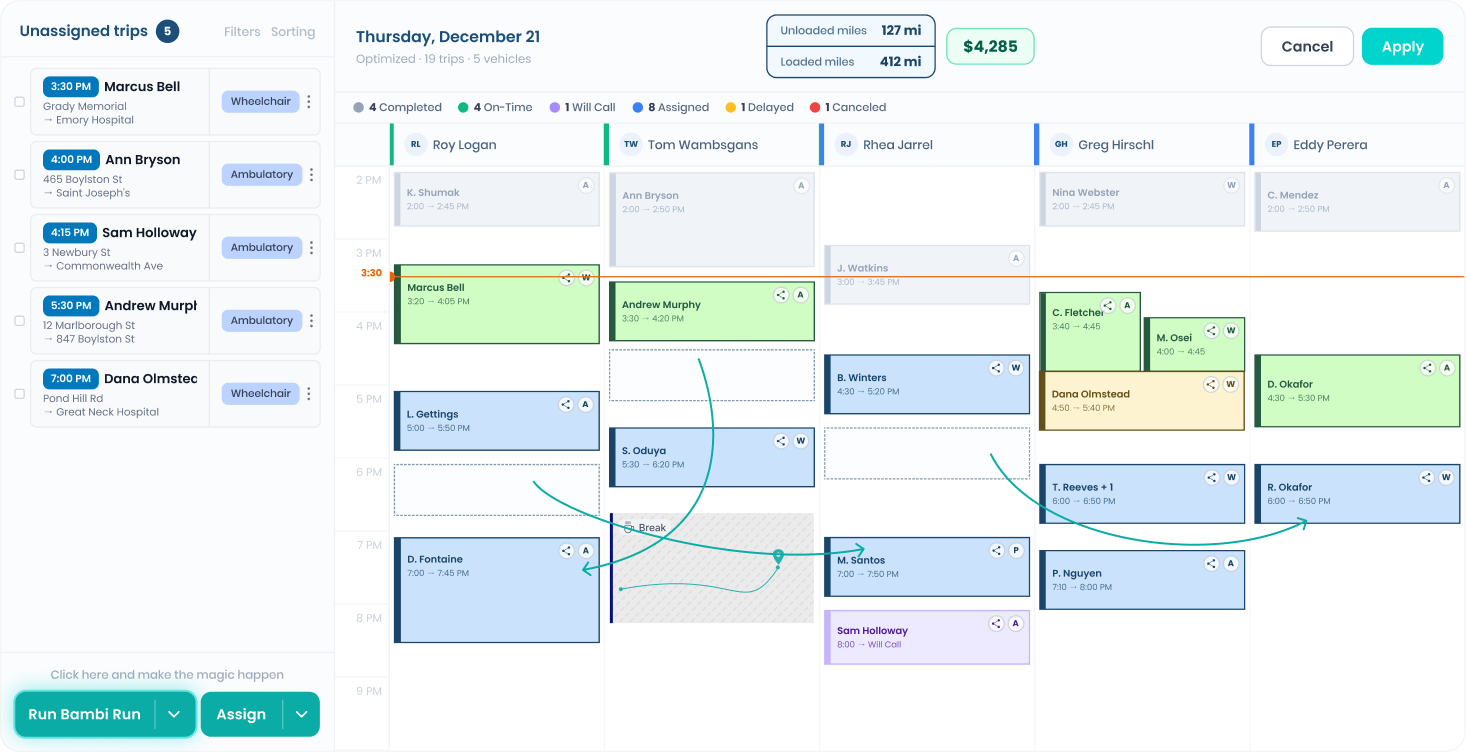
Routine maintenance is vital for keeping equipment in good working order. Inspections should focus on wear and tear, battery levels, and hydraulic performance. A documented preventive maintenance schedule not only ensures safety but also demonstrates compliance. Tools like Bambi 's NEMT software can simplify real-time inspections and improve accountability.
Driver training is another key element. Drivers need detailed instruction on operating ramps and lifts, properly securing wheelchairs, and addressing equipment issues. Well-trained drivers are better prepared to handle technical challenges and reduce risks associated with misoperation.
Regular fleet audits help identify vehicles in need of immediate upgrades. Each vehicle should be evaluated against current ADA requirements for boarding devices, securement systems, interior space, and overall functionality. This process includes testing hydraulic lifts and ramps, checking securement points for stability, and ensuring interior dimensions can accommodate various wheelchair types.
Once problem areas are identified, prioritize improvements by addressing the most critical safety concerns first. This might involve retrofitting vehicles with updated securement systems, replacing worn ramps and lifts, or investing in new wheelchair-accessible vans that meet all current standards.
Upgrading equipment is an investment that pays off in multiple ways. It reduces liability risks, lowers insurance premiums, and improves operational efficiency. With better equipment, loading and unloading times decrease, allowing providers to serve more passengers while enhancing reliability. These improvements not only boost customer satisfaction but also lead to more referrals from healthcare providers, strengthening the provider's reputation and business growth.
2. Gaps in Driver Training for Wheelchair Handling
Even with the best equipment, it’s all about how it’s used. Many NEMT providers struggle because drivers often lack proper training in handling wheelchairs, which can create safety risks and lower service quality. In most cases, drivers receive only basic instructions before transporting passengers. This oversight can lead to unsafe boarding, incorrectly secured wheelchairs, and uncomfortable rides that may cause passengers to miss critical medical appointments.
Common Training Deficiencies
One major issue is the lack of proper wheelchair securement training . Many drivers don’t fully understand how to secure manual and electric wheelchairs, which require different techniques due to their weight and design differences. Without this knowledge, wheelchairs can shift during transit, putting passengers at risk.
Another gap lies in assessing passenger needs. Drivers often struggle to determine if a passenger can transfer independently or requires assistance. This can lead to two problems: offering unnecessary help, which some passengers find discouraging, or failing to provide the needed support for a safe transfer.
Communication is another weak point. Drivers frequently aren’t trained to ask the right questions about a passenger’s mobility, equipment, or preferences. Without this information, it’s hard to plan effectively or select the right vehicle for the trip.
Handling passengers with additional equipment, like oxygen tanks or service animals, is also an area where training falls short. Drivers often lack the knowledge to safely accommodate these needs, which require specific attention to space and safety requirements.
Even the boarding and exit process presents challenges. Drivers without hands-on training with ramps and lifts may struggle with their operation, leading to delays or safety concerns. They might not know how to position the vehicle, secure the ramp, or guide passengers safely during these transitions.
From a compliance perspective, poor training can lead to serious liability issues. If a passenger is injured due to improper procedures, providers face potential lawsuits, higher insurance costs, and even the loss of contracts with healthcare organizations. Beyond these legal risks, such incidents can damage a provider’s reputation and erode trust with patients, ultimately affecting business growth.
Addressing these challenges requires an investment in thorough, hands-on training programs.
Building Effective Training Programs
Closing these training gaps is essential for safety and compliance. A strong training program should go beyond a simple orientation and follow a structured, multi-phase approach. Initial certification should combine classroom learning with supervised, hands-on practice. Classroom sessions should cover topics like different wheelchair types, ADA compliance, communication techniques, and safety protocols. Drivers also need to understand the physical and emotional aspects of wheelchair use to better connect with their passengers.
The hands-on portion is where drivers put theory into action. They need supervised experience with wheelchairs, ramps, lifts, and securement systems before working independently. This training should include scenarios like securing manual and electric wheelchairs, assisting passengers with varying mobility levels, using different types of lifts and ramps, and accommodating passengers with extra equipment or service animals.
Pre-trip assessments are another critical area. Drivers should learn how to gather key details before each trip, such as the type of wheelchair, the passenger’s mobility level, and any special equipment or support needs. This preparation ensures smoother trips and allows drivers to allocate time and resources effectively. Documenting these details also helps maintain consistency and informs other drivers about passenger-specific needs.
Competency standards must be established, requiring drivers to demonstrate mastery of essential skills through practical evaluations. These assessments might involve securing different wheelchair types, assisting passengers safely, and operating necessary equipment correctly.
Ongoing training is just as important as initial certification. Skills can fade over time, and procedures evolve, so annual refresher courses should be mandatory. These sessions can address common mistakes, reinforce proper techniques, and introduce new tools or regulations.
Continuous performance monitoring is another key to maintaining high standards. Supervisors or quality assurance teams should regularly observe drivers or review trip reports to ensure procedures are followed. Passenger feedback can also highlight areas needing improvement and recognize drivers who excel.
Technology can help streamline training management. Advanced dispatch systems, like Bambi (https://hibambi.com), can track certifications, schedule refresher courses, and flag upcoming expirations. These tools ensure drivers remain up to date with their training.
Measuring the effectiveness of training involves tracking several metrics. Safety indicators, such as passenger injuries or complaints related to handling, provide valuable insights. Passenger surveys can reveal whether riders feel safe and respected, while competency tests confirm drivers’ skills over time.
Accountability is critical. Providers should enforce clear consequences for drivers who fail to meet training standards or receive complaints, ranging from additional training to suspension or termination. At the same time, recognizing drivers who consistently perform well can motivate staff to maintain high standards.
Investing in thorough training pays off in many ways. Well-prepared drivers complete trips more efficiently, reducing delays and serving more passengers. Passengers who feel safe and respected are more likely to keep their medical appointments, addressing a major issue for the 3.6 million people who miss or delay care annually due to transportation challenges . This reliability not only improves patient outcomes but also strengthens relationships with healthcare providers and insurers, leading to more referrals and contracts.
3. Missing or Inaccurate Trip Records
Accurate trip records are just as critical as safe equipment and well-trained drivers when it comes to maintaining compliance and operational efficiency in Non-Emergency Medical Transportation (NEMT). Missing or incorrect trip details can lead to claim denials, legal risks, and a host of operational headaches. These issues go far beyond paperwork - they directly impact the quality of service and, most importantly, patient safety.
With over 5 million Americans relying on wheelchairs, even small documentation errors can snowball into significant problems. The following sections dive into the risks of poor record-keeping and offer practical solutions to improve accuracy.
Problems Caused by Poor Documentation
Incomplete or inaccurate trip records can wreak havoc on NEMT operations. For example:
Claim Denials : Medicaid and Medicare require detailed records to verify medical necessity and proper service delivery. Missing details often result in denied claims, leaving providers with unrecovered costs.
Service Failures : Errors in documenting wheelchair types can lead to mismatched vehicles, leaving passengers stranded or improperly accommodated.
Billing Disputes : Insurers rely on precise information, such as passenger assistance levels, to determine reimbursement rates. Vague or missing details can trigger disputes and delays.
Legal Vulnerabilities : Without thorough documentation, providers risk fines under the Americans with Disabilities Act (ADA), certification loss, and weak defenses in legal cases. For instance, if a wheelchair shifts during transport or a passenger is injured, incomplete records can leave providers exposed.
Operational Inefficiencies : Dispatchers need reliable trip data to optimize vehicle assignments and streamline processes. Without it, they’re forced to start from scratch for every booking.
Better Documentation Processes
Improving documentation practices doesn’t have to be overwhelming. A few targeted steps can make a big difference.
Structured Intake Forms : During scheduling, use forms with mandatory fields to collect key details like wheelchair type, assistance requirements, and equipment features. Dropdown menus and checkboxes help ensure consistency and accuracy.
Pre-Trip Inspections : Drivers should complete checklists to confirm that ramps, lifts, and securement equipment are functioning properly. This not only ensures safety but also provides a record in case issues arise during the trip.
Real-Time Trip Documentation : During the ride, drivers should log details like securement methods, adjustments made, and whether the wheelchair was occupied during securement. Capturing this information immediately helps avoid missed details.
Post-Trip Reviews : After each trip, confirm that the wheelchair remained secure, note any passenger feedback, and record the exact drop-off time. This data is invaluable for improving service and demonstrating quality to regulators.
Leverage Technology : Digital tools can simplify documentation and reduce errors. For example:
Scheduling software with mandatory fields ensures critical details are captured.
Mobile apps with dropdown menus minimize inconsistencies.
GPS tracking and automated timestamps reduce manual entry mistakes.
Cloud-based systems create permanent, tamper-proof records.
Platforms like Bambi (https://hibambi.com) are specifically designed to address NEMT documentation challenges. These tools can flag incomplete records, match vehicles to passenger needs using AI, and even allow drivers to capture visual proof of securement methods. Features like offline GPS tracking ensure data is recorded even in low-connectivity areas, and HIPAA-compliant tools protect sensitive information.
Staff Training : Technology alone isn’t enough - drivers and dispatchers need to understand why accurate documentation matters. For instance, improper securement methods due to poor records can contribute to the more than 37,000 older adults injured annually while entering or exiting vehicles. Training should include real-life examples of the consequences of documentation errors and provide clear, easy-to-follow job aids.
Audits and Quality Assurance : Regularly review trip records to spot recurring issues. Supervisors can provide feedback or retraining as needed, and automated systems can flag missing fields before claims are submitted. Metrics like claim denial rates and correction percentages help measure the effectiveness of these efforts.
Incentives and Culture : Encourage a culture where employees feel comfortable asking questions about documentation requirements. Some providers even offer incentives for error-free records, reinforcing the importance of accuracy.
sbb-itb-6bd01f8
4. Problems with Medical Necessity Documentation
Beyond the hurdles of equipment and training, medical necessity documentation plays a crucial role in ensuring compliance with NEMT (Non-Emergency Medical Transportation) requirements and safeguarding patient care. When this documentation is incomplete or unclear, patients who genuinely need wheelchair-accessible transportation may be denied services. This creates a ripple effect: patients miss important medical appointments, providers lose revenue, and the continuity of care is disrupted.
The numbers are alarming. Each year, 3.6 million people delay or miss medical appointments due to transportation challenges. While not all cases are directly tied to documentation issues, poorly maintained records can contribute to unsafe transportation practices. For wheelchair users, in particular, documentation lapses can result in them being forced to use unsuitable vehicles, putting their safety at risk.
Common Medical Necessity Documentation Issues
Several recurring problems with medical necessity documentation can lead to service delays or denials:
Incomplete patient assessments: Intake forms often fail to capture essential details like the type of wheelchair (manual or electric), its dimensions, weight, and securement needs. A simple note like "patient uses a wheelchair" provides insufficient evidence for insurance approvals. For example, insurers need to know if the patient must remain in the wheelchair during transport or if specific equipment is required for safe securement.
Vague descriptions: Phrases like "patient has mobility issues" do little to justify why standard transportation options, such as public transit or rideshares, are unsuitable. Clear, detailed descriptions of the specific barriers to using these options are essential for coverage approval.
Insufficient physician attestation: Physicians, often pressed for time, may submit generalized statements like "patient has mobility issues" instead of offering specific clinical reasons why transferring to a standard vehicle is unsafe. Detailed attestations are critical to establishing medical necessity.
Missing equipment specifications: Failing to document whether the wheelchair is manual or electric, its size, or whether specialized securement equipment is required can lead to dispatchers assigning the wrong vehicle. This mismatch can result in service failures or unsafe conditions.
Unclear transfer capabilities: Documentation must specify whether the patient can safely transfer from their wheelchair to a standard vehicle seat. Without this information, it’s difficult to determine the need for specialized NEMT vehicles equipped with ramps or lifts.
Incomplete or inconsistent documentation not only delays claim approvals but also disrupts transportation services. The complexity increases when dealing with varied standards across payers - Medicaid may require detailed functional assessments, Medicare might focus on alternative transportation options, and private insurers often have unique documentation requirements.
How to Improve Documentation Accuracy
Addressing these challenges requires a systematic approach to ensure both the accuracy of the data collected and the efficiency of the processes involved.
Standardized intake forms: Use detailed forms during initial patient contact to capture critical information, such as specific mobility limitations, wheelchair type and size, medical conditions, and any special equipment needs. For wheelchair users, forms should ask targeted questions like: Can the patient transfer to a standard vehicle seat? What type of wheelchair is used (manual, electric, extra-wide)? Must the wheelchair remain in place during transport? These details ensure the right vehicle is assigned and help justify specialized transportation needs.
Enhanced physician attestation: Simplify the process with checkbox-based forms that prompt physicians to provide specific clinical justifications. This eliminates vague notes and ensures the attestation directly supports the need for specialized transportation.
Comprehensive documentation templates: Develop a master template that includes all required elements for different payers. This approach ensures consistency and simplifies compliance with varied requirements.
Staff training and quality checks: Regular training helps dispatchers and intake coordinators recognize documentation gaps early. Implement quality assurance processes to review a sample of records before submission, allowing for timely corrections.
Technology solutions: Digital tools can streamline the process. For instance, digital intake forms with built-in validations can prevent incomplete submissions. Automated systems can flag missing elements, route documentation for review, and maintain audit trails. Some modern NEMT platforms even offer payer-specific templates and integrate with electronic health records (EHRs) to pull relevant clinical data, reducing manual errors and saving time.
Platforms like Bambi (https://hibambi.com) are specifically designed to tackle NEMT documentation challenges. By integrating with healthcare systems and automating key aspects of the process, these tools help ensure accurate and prompt claim submissions, leading to faster approvals and improved patient access to transportation.
Accurate and thorough documentation not only ensures patients receive timely transportation but also supports operational efficiency and financial stability for healthcare providers.
5. Lack of Passenger Comfort and Ergonomics
While equipment, training, and proper documentation are the backbone of quality NEMT services , passenger comfort often gets sidelined. Yet, it plays a critical role in ensuring wheelchair users continue accessing necessary medical care. When comfort and ergonomics are neglected, the journey can become physically taxing, creating stress and discouraging future appointments. For wheelchair users who remain seated in their wheelchairs during transit, long rides can lead to discomfort, especially if securement systems fail to prevent unwanted shifts during turns or sudden stops. Just as safety and training are essential, prioritizing passenger comfort ensures that wheelchair users receive consistent, dignified care.
What Wheelchair Users Need for Comfort
Comfort measures go beyond safety to address long-term health and overall satisfaction. Temperature control is a major factor - many wheelchair users struggle to regulate their body temperature, making reliable climate systems a necessity. A well-designed suspension system is equally important to minimize jolts and vibrations during transit. Thoughtful route planning, which avoids rough roads and heavy traffic, also contributes significantly to a smoother ride. Interior features like adjustable lighting, effective noise insulation, and designated wheelchair spaces with proper cushioning and back support further enhance the travel experience.
Ways to Improve Comfort and Service Quality
Improving passenger comfort requires attention to multiple factors:
Vehicle Enhancements and Maintenance: Choose vehicles equipped with advanced suspension systems, shock-absorbing materials, and climate control that allows for zone-specific temperature adjustments and air filtration. Regular maintenance of suspension, seating, lighting, and climate systems ensures ongoing comfort.
Driver Practices: Train drivers to adopt smooth acceleration and braking techniques to reduce jolting. Encourage them to monitor passengers for signs of discomfort and provide reassurance through calm, patient communication - especially for those with sensory or cognitive sensitivities.
Route Optimization: Use GPS and route-planning tools to select smoother, more direct paths. Avoid construction zones, heavily trafficked areas, and roads prone to potholes. Inform passengers about the route in advance so they can feel more prepared.
Passenger Feedback and Personalization: Implement post-trip surveys to gather insights on comfort, temperature, and ride quality. Keep detailed records of passenger preferences, such as temperature settings or seating adjustments, to tailor each trip to individual needs.
Customized Solutions: Different passengers have unique needs. For instance, those with chronic pain benefit from smoother routes and enhanced suspension, while individuals with mobility challenges may require adjustable seating with additional space.
Technology Integration: Incorporate advanced tools like transport wheelchairs with ergonomic designs and adjustable features. Providers can also use AI-powered platforms like Bambi to optimize routing and scheduling, ensuring a smoother and more comfortable experience.
Allowing caregivers to accompany passengers and building in extra time for trips can prevent rushed, stressful journeys. Regular reviews of transportation practices, combined with adjustments based on passenger feedback, ensure that comfort remains a core part of quality NEMT services.
Conclusion
The challenges surrounding wheelchair accessibility in NEMT (Non-Emergency Medical Transportation) are deeply interconnected, creating a ripple effect that impacts safety, compliance, and patient trust. Inadequate vehicle equipment poses safety risks, while gaps in training and equipment maintenance only amplify these issues. Missing trip records and incomplete documentation of medical necessity leave providers vulnerable to compliance violations and denied reimbursements. And when passenger comfort is neglected, even the best safety measures and paperwork won’t keep wheelchair users returning for their vital medical appointments.
These problems aren’t just logistical - they have real consequences. Missed appointments can mean patients skipping life-saving cancer treatments, dialysis sessions, or physical therapy that could enhance their quality of life.
Addressing these challenges starts with practical steps. Begin with a thorough audit of your vehicles and equipment to pinpoint critical issues. Standardize driver training programs with a focus on wheelchair securement and effective communication with passengers. This relatively low-cost measure can significantly improve safety outcomes. Create clear, easy-to-use templates for trip records and medical necessity documentation to avoid compliance pitfalls. Most importantly, listen to feedback from wheelchair users about their experiences and act on their suggestions - this can make a world of difference in building trust and improving service.
As discussed earlier, technology plays a key role in addressing these challenges. AI-powered platforms like Bambi streamline routing and scheduling, cutting down wait times and enhancing the overall passenger experience. Digital tools for documentation ensure accurate and consistent record-keeping, while vehicle maintenance software helps prevent equipment failures before they occur.
The road ahead requires dedication, but the rewards are far-reaching. Enhanced accessibility translates to safer trips, fewer injuries, stronger compliance, and more patients arriving at their critical appointments. It fosters trust among wheelchair users, encouraging them to rely on your service for their healthcare needs. Ultimately, your NEMT business can become a true enabler of healthcare access, breaking down barriers rather than contributing to them.
The time to act is now - prioritize safety, compliance, and trust to make a lasting impact.
FAQs
What steps can NEMT providers take to ensure their vehicles meet ADA requirements for wheelchair accessibility?
To meet the requirements of the Americans with Disabilities Act (ADA) , NEMT providers should focus on the following key measures:
Outfit vehicles with ADA-compliant features , including wheelchair lifts or ramps, securement systems, and sufficient space to accommodate mobility devices.
Perform routine maintenance and inspections to guarantee that all accessibility equipment is in safe, working condition.
Provide thorough training for drivers and staff on ADA regulations, proper handling of accessibility equipment, and effective communication with passengers who have disabilities.
These efforts not only ensure compliance but also enhance the travel experience for passengers with mobility needs.
How does NEMT-specific software improve trip record accuracy and service quality?
NEMT-specific software improves the accuracy of trip records and boosts service quality by simplifying how dispatchers and drivers communicate. It delivers real-time updates on trip statuses, vehicle locations, and shift confirmations, keeping everyone in sync and well-informed.
On top of that, features like automated scheduling, smarter route planning, and digital vehicle inspections cut down on mistakes and increase efficiency. These tools not only help maintain precise records but also create a smoother, more reliable experience for both service providers and passengers.
What training should NEMT drivers have to safely assist passengers using wheelchairs?
Non-Emergency Medical Transportation (NEMT) drivers need thorough training to handle the unique needs of passengers who use wheelchairs. This includes mastering wheelchair handling techniques, such as properly securing wheelchairs with tie-downs and operating ramps or lifts with care. Equally important is training in passenger assistance, emphasizing clear communication and ensuring the passenger’s comfort throughout the trip.
Familiarity with the Americans with Disabilities Act (ADA) is another key component. Drivers should understand ADA compliance requirements and follow safety protocols, like conducting pre-trip equipment checks. This level of preparation not only ensures passenger safety but also reflects professionalism and helps build trust in your NEMT services.
Related Blog Posts
Comments
Lorem ipsum dolor sit amet, consectetur adipiscing elit. Suspendisse varius enim in eros elementum tristique. Duis cursus, mi quis viverra ornare, eros dolor interdum nulla, ut commodo diam libero vitae erat. Aenean faucibus nibh et justo cursus id rutrum lorem imperdiet. Nunc ut sem vitae risus tristique posuere.