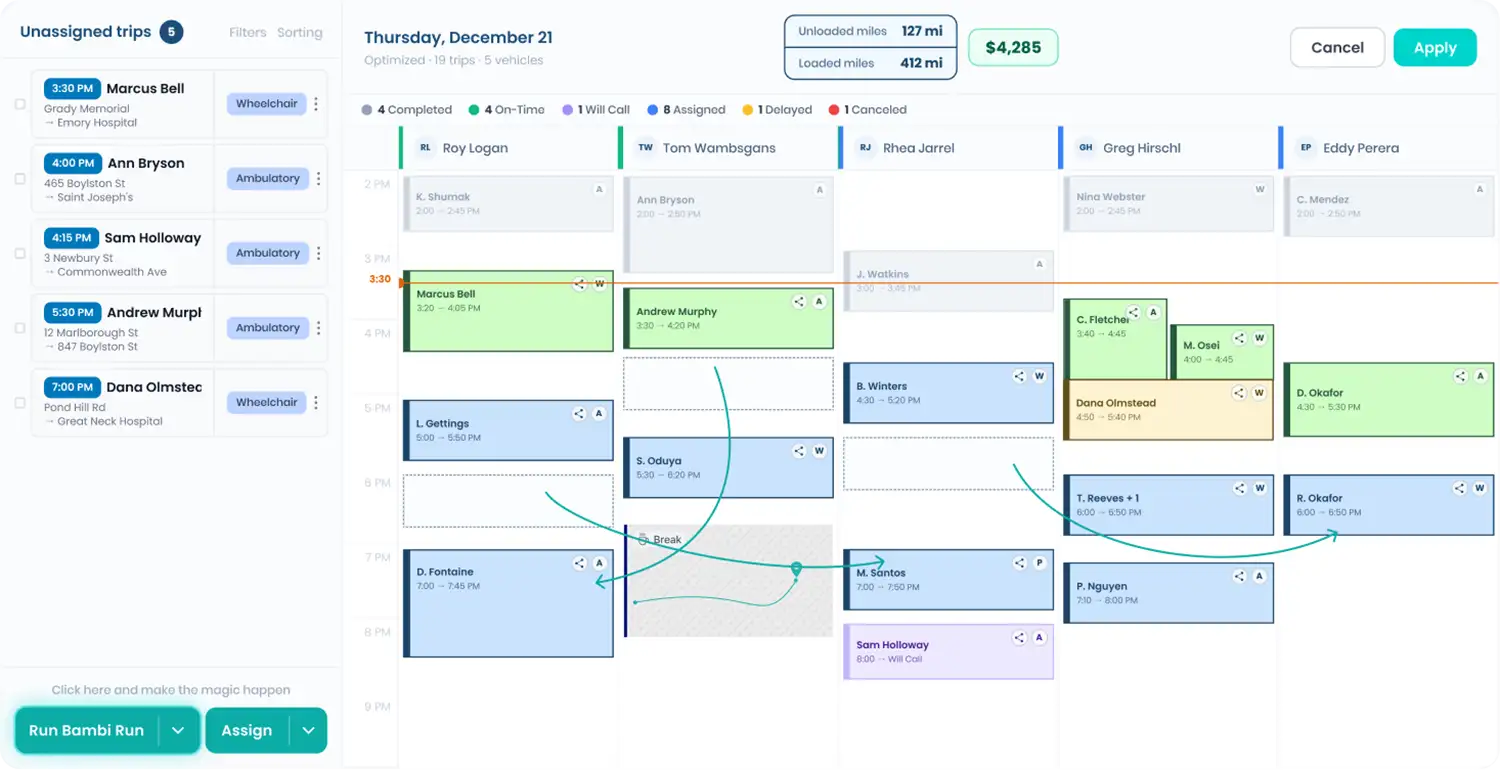

Missed medical appointments due to transportation issues cost the U.S. $150 billion annually, with 30% of delays caused by unreliable rides. Real-time tracking in Non-Emergency Medical Transportation (NEMT) addresses these challenges by improving scheduling, reducing delays, and enhancing communication. Here's how it works:
- Live GPS tracking: Monitors vehicles in real time for dynamic route adjustments.
- Shorter wait times: Optimized scheduling and traffic updates get patients to appointments faster.
- Improved communication: Automated alerts and accurate ETAs keep patients, drivers, and dispatchers informed.
- Cost savings: Providers can cut ride costs by 30%-70% with efficient operations.
- Increased safety: Driver behavior monitoring reduces accidents and ensures compliance.
Real-time tracking ensures reliable, safe, and transparent NEMT services, making healthcare more accessible for the 58% of users who depend on these rides. Want to know how to implement it? Read on.
Core Benefits of Real-Time Tracking for NEMT Services
Real-time tracking has revolutionized Non-Emergency Medical Transportation (NEMT) by improving patient care, streamlining operations, and enhancing efficiency across the board.
Improving Service Quality
The introduction of real-time tracking has made NEMT services more dependable by offering complete visibility into vehicle and driver locations. This allows for dynamic route adjustments when unexpected situations arise, ensuring smoother operations.
With GPS tracking systems, providers can significantly improve on-time performance. This not only reduces fuel costs but also leads to faster payments, easing cash flow challenges for providers. For patients, this reliability means they can trust their rides to arrive as promised, boosting overall satisfaction.
"Real-time GPS tracking is a transformative force reshaping the NEMT industry... Tracking ensures that providers can deliver reliability and trust by enhancing punctuality, optimizing operational efficiency, and fostering transparent communication." - Tobi Cloud
Additionally, the technology creates an accurate record of vehicle and driver activity, which is invaluable for quality assurance and compliance. Healthcare partners can verify that patients are transported safely and on schedule, increasing their confidence in the service.
Real-time alerts further enhance service by allowing dispatchers to address issues immediately. This proactive approach reduces disruptions and ensures better outcomes for patients. The result? Fewer delays and a smoother experience for everyone involved.
Reducing Delays and Wait Times
Beyond improving service quality, real-time tracking helps cut down on delays and long wait times. Dynamic dispatching assigns trips based on the current location and availability of drivers, ensuring patients spend less time waiting for their rides.
Drivers also benefit from real-time traffic updates, which help them navigate around congestion and avoid delays. These updates allow the system to continuously monitor routes and suggest adjustments as conditions change.
"Real-time visibility allows dispatchers to make quick decisions, reduces wait times, and ensures service continuity."
Advanced scheduling systems further enhance this process by optimizing resource allocation and addressing traffic issues before they become problems. This proactive strategy minimizes delays, ensuring patients reach their appointments on time.
The broader impact is clear: reducing wait times improves access to healthcare. Reliable transportation means patients are more likely to attend their appointments, leading to better health outcomes. Consistent care becomes achievable when transportation is dependable.
Better Communication and Transparency
One of the standout advantages of real-time tracking is the ability to provide accurate Estimated Times of Arrival (ETAs) to everyone involved. Patients no longer have to guess when their ride will show up, and healthcare facilities can better manage their schedules knowing exactly when patients will arrive.
Mobile apps and automated notifications keep everyone - dispatchers, drivers, and passengers - updated throughout the journey. These updates ensure that any changes or delays are communicated promptly.
Healthcare partners also benefit from this transparency. Real-time monitoring of patient transportation allows medical facilities to adjust their schedules as needed, ensuring appointment slots are used efficiently.
Automated calling systems, integrated with tracking technology, remind passengers about their trips and update them with real-time timing information. This helps reduce no-shows and ensures patients are prepared for their rides.
For drivers, real-time communication fosters a stronger connection with dispatch teams. Immediate access to support and information reduces stress, improves job satisfaction, and allows drivers to focus on providing safe and comfortable rides. This transparency and communication build trust among all stakeholders, encouraging continued use and referrals from healthcare providers.
Key Features of Real-Time Tracking Solutions
Real-time tracking solutions come packed with advanced tools designed to streamline operations, ensure compliance, and improve safety for Non-Emergency Medical Transportation (NEMT) providers. These systems combine cutting-edge technology to create a seamless experience for both providers and passengers.
GPS Vehicle Tracking and Centralized Dashboards
GPS vehicle tracking is the backbone of any real-time tracking system. It allows dispatchers to monitor vehicles in real time, reroute drivers to avoid obstacles, and minimize delays. When unexpected issues arise, available vehicles can quickly be reassigned to ensure timely pickups.
These systems also automatically log trip start and end times, along with status updates, simplifying compliance and claims processes. For example, NEMT software captures this data automatically, ensuring accuracy and reducing administrative burdens.
Centralized dashboards offer a bird’s-eye view of your fleet. They display real-time data, including vehicle locations, driver performance, and trip statuses, helping dispatchers make quick, informed decisions. With tools like route optimization, these dashboards use algorithms to calculate the most efficient paths, factoring in traffic, cancellations, and last-minute bookings. This dynamic scheduling reduces delays and maximizes vehicle capacity.
The numbers speak for themselves: automated scheduling can cut planning time by up to 40% and increase trip volume by 25% without adding vehicles. GPS tracking also aids in claims processing by providing breadcrumb data, which can lead to a clean claim rate of up to 97%.
Safety is another critical benefit. Fleet tracking systems monitor driver behavior, ensuring compliance with speed limits and helping avoid hazardous routes. Alerts from driver assistance systems notify dispatchers about speeding, harsh braking, or lane departures, reducing the risk of accidents and providing insights into unsafe driving patterns.
To complement these tools, mobile apps play a crucial role in keeping everyone connected and informed.
Mobile Apps and Automated Alerts
Driver mobile apps are essential for real-time communication. They allow instant messaging and calls between drivers and dispatchers, ensuring updates are shared promptly and reducing delays. These apps simplify drivers’ daily tasks, improving efficiency and lowering stress levels.
Through mobile apps, drivers receive real-time notifications about schedule changes or updates, ensuring they always have the latest information during their shifts. This instant communication enables quick adjustments to trip plans, keeping operations smooth and responsive.
For passengers, mobile apps offer transparency and peace of mind. Features like real-time GPS tracking provide live vehicle ETAs, while automated alerts - via SMS or in-app notifications - keep patients and caregivers informed of any changes. This reduces the need for call center inquiries and builds trust in the service.
Passengers can also plan their journeys more effectively. Personalized updates and ride-tracking features reduce uncertainty, making medical transportation more reliable and user-friendly.
By integrating mobile apps with centralized dispatch systems, NEMT providers create a cohesive communication network. Real-time dashboards within these platforms allow managers to monitor performance metrics instantly, offering valuable insights to improve operations.
Together, these tools ensure that providers can deliver efficient, safe, and reliable services to their clients.
How to Implement Real-Time Tracking in NEMT
Implementing real-time tracking in Non-Emergency Medical Transportation (NEMT) requires a well-thought-out strategy that aligns with your operational needs, staff capabilities, and existing technology. To make it work, you’ll need to plan carefully, install the right equipment, and ensure your team is fully trained. These steps are key to improving service reliability and cutting down on delays.
Start by analyzing your current operations to identify where real-time tracking can make the biggest difference.
Assess Your Needs and Pick the Right Solution
Before diving into any tracking system, take a close look at your current setup. What are your biggest challenges? Are delays, poor communication, or inefficient fleet management holding you back? Make note of how many trips you manage each day, the size of your fleet, and the geographic area you cover.
Budget is another factor to keep in mind. A smaller operation with five vehicles will have very different needs compared to a larger provider managing dozens of vehicles across multiple regions. Decide whether you need just basic GPS tracking or advanced features like automated scheduling, route optimization, and compliance tools.
If you’re still using paper-based systems or outdated software, it might be time to upgrade to a more robust platform. Look for a system that can grow with your business, so you won’t need to switch again as your operation expands.
Don’t overlook regulatory requirements. Any solution you choose should comply with HIPAA standards for protecting patient data and provide the necessary documentation for insurance claims and state reporting.
Equip Vehicles and Train Your Team
Once you’ve settled on a tracking solution, the next step is installation and training. Equip all your vehicles with GPS devices or mobile apps, ensuring they’re set up for strong signal reception and easy driver access. Test everything thoroughly before putting it into service.
Training your staff is just as important as installing the equipment. A well-designed training program should cover not only the technical side of using the tracking tools but also how these tools can improve patient care and streamline operations.
Customize the training for different roles:
- Drivers: Learn app features and how to respond to updates.
- Dispatchers: Master real-time monitoring and dashboard tools.
- Administrative staff: Understand how to integrate data for billing and reporting.
Use a mix of training methods - like workshops, online courses, and hands-on simulations - to cater to different learning styles. Track progress through quizzes, ride-alongs, or performance dashboards to ensure the training sticks.
For example, in April 2025, Hands-On America Services, Inc. implemented Geotab GPS tracking software. This system improved routing, avoided congestion, and ensured timely patient transport. It’s a great example of how effective training and implementation can directly enhance service quality.
Keep training ongoing. Schedule annual refreshers, policy updates, and sessions on new software features. Tools like driver tablets and learning management systems can make these updates more efficient.
With your team prepared and your vehicles equipped, the next step is integrating tracking into your existing systems.
Integrate Tracking with Existing Systems
The real power of real-time tracking comes when it’s fully integrated with your current dispatch, billing, and patient management systems. This integration streamlines processes, boosts efficiency, and improves overall service quality in NEMT operations.
Start by connecting your tracking system with dispatch and scheduling platforms. Real-time data sharing through APIs allows instant updates on patient info, ride requests, and appointment schedules. This enables automated trip assignments, dynamic route planning, and streamlined communication.
Linking tracking systems with mapping and GPS APIs takes things further. Dispatchers can make real-time routing decisions based on traffic conditions, vehicle locations, or last-minute changes, ensuring smoother operations.
Integrate with payment gateways and insurance systems to simplify billing. Automated data capture can reduce paperwork, speed up claims processing, and cut down on administrative tasks.
Another benefit of integration is automated communication. Patients, drivers, and healthcare facilities can receive real-time updates on delays, route changes, or arrival times, reducing the need for frequent calls and improving overall satisfaction.
"When integrated with automated scheduling, real-time visibility helps optimize routing and dispatching, significantly saving costs and increasing business growth".
Finally, ensure your system supports compliance by automatically documenting trip details, driver certifications, and patient transport records. This is crucial for audits and reporting.
Plan for growth, too. As your operation expands, your tracking system should be able to handle increased demand without needing a complete overhaul.
Common Challenges in Real-Time Tracking Adoption
Even with thorough preparation, adopting real-time tracking in NEMT operations isn’t without its hurdles. Common problems include technical integration issues, concerns over data privacy, and resistance from staff to embrace new systems. Knowing these challenges ahead of time allows you to plan better and avoid unnecessary delays. Resistance to change is a natural part of introducing new systems.
While earlier sections focused on the operational benefits of real-time tracking, this section dives into the obstacles providers often encounter during implementation. The encouraging part? These challenges can be addressed with the right strategies. Many NEMT providers face similar roadblocks, and proven methods exist to tackle them head-on.
Solving Technical Integration Problems
Technical integration can quickly become one of the most frustrating parts of implementing real-time tracking. Legacy systems, mismatched software compatibility, and delays in data transfer can all disrupt the process.
Compatibility is a key issue. Your new tracking system must work seamlessly with existing dispatch software, billing platforms, and patient management tools. If systems don’t communicate effectively, you risk creating data silos and relying on manual fixes - defeating the purpose of automation.
To avoid this, start by assessing your current technology setup. Take inventory of all your systems, noting their versions, data formats, and integration capabilities. This will help you spot potential compatibility issues early on.
Budgeting is equally crucial. Plan for costs like software and hardware installation, maintenance, and future upgrades. Don’t forget to account for running both old and new systems during the transition period.
A phased rollout can make the transition smoother. Operating your legacy system alongside the new tracking platform for a few weeks or months allows your team to adapt without disrupting services.
Choose a tracking solution with a strong reputation for reliability and scalability. Look for platforms that offer robust APIs and have experience integrating with common NEMT systems. Doing your homework upfront can save you from expensive issues later.
Collaboration with your technology provider is essential. Many reputable NEMT platforms offer dedicated support teams to assist with integration, ensuring a smooth setup and data flow between systems.
Once the technical challenges are addressed, the focus shifts to protecting sensitive data.
Maintaining Data Privacy and Compliance
Data privacy and compliance are critical challenges in NEMT operations, especially since handling protected health information (PHI) requires strict adherence to HIPAA regulations.
More than 92% of patients believe privacy is a right and that their health data should not be available for purchase, while nearly 75% are concerned about protecting their personal health information - and only 20% fully understand who has access to their data.
One key element of a strong security strategy is data encryption. Ensure your tracking system encrypts all communications between vehicles, dispatch centers, and mobile devices. This protects patient information even if transmissions are intercepted.
Multi-factor authentication is another must-have. Adding this extra layer of security helps prevent unauthorized access to sensitive data.
Monitoring tools are also essential. Use systems that alert you to unusual access patterns or data activities, allowing you to detect and address potential breaches early.
Employee training is just as important as technical safeguards. Make sure your staff understands how to use the tracking system responsibly and handle patient data securely. They should know what information can be shared, with whom, and under what circumstances.
Develop a detailed incident response plan. This should outline steps for containing breaches, notifying affected parties, and documenting the incident properly.
"Patients trust that physicians are committed to protecting patient privacy - a crucial element for honest health discussions. Many digital health technologies, however, lack even basic privacy safeguards. More must be done by policymakers and developers to protect patients' health information", said Jack Resneck Jr., M.D., AMA President.
By addressing privacy concerns, you not only meet compliance standards but also build trust with patients and stakeholders.
Training Staff for Effective Usage
No matter how advanced the technology, it’s only as effective as the people using it. Training your staff is a critical step in ensuring the success of your real-time tracking system.
Resistance to change is common. Drivers, dispatchers, and administrative staff often have established routines, and introducing new technology can lead to concerns about job security or increased workloads.
Involve your staff early in the process. When employees understand why the change is happening and how it benefits them, they’re more likely to embrace it.
Tailor training programs to the needs of different roles. For example:
- Drivers: Focus on mobile app features and real-time communication tools.
- Dispatchers: Provide in-depth training on dashboards and route optimization.
- Administrative staff: Cover reporting features and compliance requirements.
If building a training program from scratch feels overwhelming, consider established programs like NEMTAC’s Certified Transport Specialist or the Smith System defensive driving program. These offer structured learning paths to get your team up to speed.
Ongoing education is just as important as initial training. Schedule regular refresher sessions and provide access to resources like help centers, online tutorials, and user manuals. Many NEMT platforms also offer continuous support through one-on-one sessions or detailed guides.
Track the success of your training efforts by monitoring key performance indicators and gathering feedback from staff. This helps identify gaps and refine your program over time.
Creating a workplace culture that values learning and celebrates achievements can help overcome resistance and set the stage for long-term success with your new system.
Conclusion: How Real-Time Tracking Transforms NEMT Services
Real-time tracking has become a game-changer for Non-Emergency Medical Transportation (NEMT), addressing industry challenges while driving better care and operational efficiency. By tackling issues like delays and missed appointments, it not only improves reliability but also strengthens trust and transparency across the board.
Consider this: delays impact 30% of patients, and missed medical appointments cost $150 billion annually in the U.S.. Real-time tracking helps cut ride costs by 30%–70%, making a noticeable difference in both patient experience and operational costs. These improvements naturally lead to stronger relationships with patients, healthcare providers, and brokers.
But it’s not just about saving money. Real-time tracking fosters clear communication, which is critical when 58% of NEMT users rely on these services to access medical care. Companies like Life Couriers have set an impressive standard, achieving over 99% on-time delivery rates with the help of this technology.
In addition to efficiency, safety takes center stage. Features like driver monitoring and emergency alerts ensure patient well-being, which is crucial when 3.6 million Americans miss medical care each year due to transportation barriers. For NEMT providers, adopting real-time tracking isn’t just smart business - it’s a responsibility.
Of course, the road to implementation isn’t without its challenges. Providers must invest in proper training, ensure seamless system integration, and stay compliant with regulations. However, those who embrace this technology position themselves as leaders in a field where reliability and precision are non-negotiable.
Real-time tracking doesn’t just improve logistics; it redefines how care is delivered. It’s the backbone of dependable and compassionate NEMT services, ensuring efficiency, safety, and long-term success.
FAQs
How does real-time tracking help NEMT providers save 30% to 70% on costs?
Real-time tracking can help NEMT providers slash costs by 30% to 70% through more efficient operations and fewer inefficiencies. By fine-tuning routes, providers use less fuel and reduce vehicle wear, which translates to noticeably lower transportation expenses. On top of that, automated scheduling and dispatching cut down on administrative tasks, saving time and reducing the need for extra staff.
This technology also boosts punctuality, resulting in fewer missed appointments and better use of resources. The outcome? Happier patients, reduced revenue loss, and a more efficient, dependable service for both providers and their clients.
How can real-time tracking be integrated into existing NEMT operations?
How to Integrate Real-Time Tracking into Your NEMT Operations
Adding real-time tracking to your Non-Emergency Medical Transportation (NEMT) operations can make a world of difference - but it takes a few important steps to get it right.
Start by reviewing your current processes. Look for areas where things tend to go wrong, like frequent delays or miscommunication. Once you’ve pinpointed the trouble spots, choose a tracking system designed to solve these issues. Features like GPS monitoring, route optimization, and automated scheduling can help streamline operations and minimize inefficiencies.
Next, focus on training your team. Dispatchers and drivers need to know how to use the system effectively, so make sure the training is thorough and accessible. At the same time, ensure that the tracking software works well with the tools you already use. Address any concerns about data security and compatibility upfront to avoid complications later on.
The benefits of real-time tracking are clear. It provides accurate vehicle locations, reduces delays, and improves communication between drivers, passengers, and dispatchers. The result? Smoother operations and a better experience for the patients who rely on your service.
How does real-time tracking improve safety and compliance in NEMT services?
Real-time tracking is a game-changer for improving safety and compliance in Non-Emergency Medical Transportation (NEMT) services. By keeping a constant eye on vehicles and driver behavior, it helps enforce safe driving habits and ensures all regulatory standards are met. Dispatchers can quickly step in to address issues like route changes or risky driving, reducing the chances of accidents and keeping operations compliant.
This technology also boosts transparency and accountability. Patients and healthcare providers can follow trips as they happen, offering reassurance and confirming that schedules and safety measures are being upheld. These benefits not only raise the quality of service but also strengthen trust with passengers and partners, delivering a higher level of care on every journey.