

WC20 Certified Wheelchair Seating Systems: Enhancing Safety for NEMT Providers
What are WC20 Certified Wheelchair Seating Systems?
WC20 is a voluntary standard for wheelchair seating systems used in motor vehicles. It is part of the American National Standards Institute/Rehabilitation Engineering and Assistive Technology Society of North America (ANSI/RESNA) Wheelchair Standards, specifically Volume 4: Wheelchairs and Transportation. This standard was developed to evaluate the crash performance of different seating systems independently of the wheelchair frame
Importance of WC20 for NEMT Providers
- NEMT providers should prioritize the use of WC20 certified wheelchair seating systems for several reasons:
- Enhanced Passenger Safety: WC20 compliant seating systems are designed to reduce the likelihood of "submarining" under the pelvic belt and maintain the occupant's position during a crash. This significantly improves passenger safety during transportation.
- Legal and Liability Considerations: While WC20 is a voluntary standard, using certified seating systems demonstrates a commitment to passenger safety and may help reduce liability risks for NEMT providers.
- Compatibility with Safety Standards: WC20 certified seating is intended to be used with WC19 compliant wheelchairs, which are secured to vehicles using approved Wheelchair Tiedown and Occupant Restraint Systems (WTORS). This combination provides the best possible safety performance during transit.
- Improved Comfort and Positioning: These seating systems often offer better postural support, which can enhance passenger comfort during transportation and potentially reduce the risk of pressure injuries
Key Features of WC20 Certified Seating Systems
WC20 certified seating systems are designed to provide enhanced safety for wheelchair users during transportation. Some key features include:
- Crash-tested performance
- Compatibility with WC19 compliant wheelchair bases and WC18 compliant tie-downs.
- Improved occupant protection during collisions
- Reduced risk of seating system failure
Identifying WC20 Certified Seating Systems
NEMT providers should look for the following when selecting wheelchair seating systems:
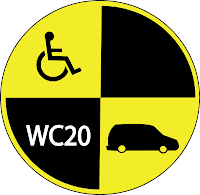
- WC20 certification label or symbol
- Documentation from the manufacturer confirming WC20 compliance
- Crash test results and performance data
Implementing WC20 Certified Systems in NEMT Services
To effectively incorporate WC20 certified seating systems into their services, NEMT providers should:
- Assess Your Current Equipment: Evaluate your existing wheelchair securement systems to determine if they meet WC20 standards.
- Invest in certified seating systems: Purchase WC20 seating systems from reputable manufacturers or suppliers.some text
- Here is a list of WC20 compliant seating systems products via the UMTRI (University of Michigan Transportation Research Institute).
- Train staff on proper installation and use of WC20 seating systems
- Regularly inspect and maintain seating systems to ensure ongoing compliance
- Keep records of seating system certifications and maintenance
- Consider upgrading existing fleet vehicles to accommodate WC20 certified systems
Frequently Asked Questions about WC20 Wheelchair Seating Standards
What do the RESNA WC20 and ISO 16840-4 standards cover?
A1: These standards apply to wheelchair seating systems that are designed to be used as seats in motor vehicles. They cover both aftermarket seating systems and those provided by wheelchair manufacturers as an alternative to their standard seating systems.
What's the difference between occupant-restraint belts and positioning/postural belts?
A2: Occupant-restraint belts are designed to protect the wheelchair user during a vehicle crash or sudden maneuver. Positioning or postural belts are intended to help maintain the user's posture and are not crash tested. Occupant-restraint belts should be used for transportation, while positioning belts may not provide adequate protection in a crash.
Are postural and positioning belts safe to use during transit?
A3: Postural and positioning belts are not designed or tested for occupant restraint in a vehicle crash. They may break or cause injury if relied upon for crash protection. It's recommended to use a properly positioned vehicle-anchored lap and shoulder belt system for occupant restraint during transportation.
How should head-restraint and support devices be used during transportation?
A4: Head supports that are rigidly attached to the wheelchair seatback and tested with the seating system can be beneficial in a rear impact. However, soft headrests, collar-type supports, or headbands are not recommended for use during vehicle travel as they may increase the risk of neck injury in a frontal crash.
What about after-market customized seating systems that haven't been crash tested?
A5: While these systems may provide essential postural support, they haven't been evaluated for crash safety. If possible, transfer the wheelchair user to a vehicle seat. If this isn't feasible, use the customized seating system but ensure proper use of vehicle-anchored lap and shoulder belts. Be aware that there may be an increased risk of injury in a crash compared to using WC20-compliant seating.
Remember, these answers are based on the WC20 standards and general safety recommendations. Always consult with healthcare professionals and follow local regulations for the most appropriate and safe practices for individual situations.
Conclusion
WC20 certified wheelchair seating systems are a critical component of safe and effective NEMT services. By prioritizing the use of these systems, NEMT providers can enhance passenger safety, reduce liability risks, and demonstrate their commitment to quality care. As the industry continues to evolve, staying informed about the latest safety standards and best practices will be essential for NEMT providers to maintain a competitive edge and provide the best possible service to their clients.