
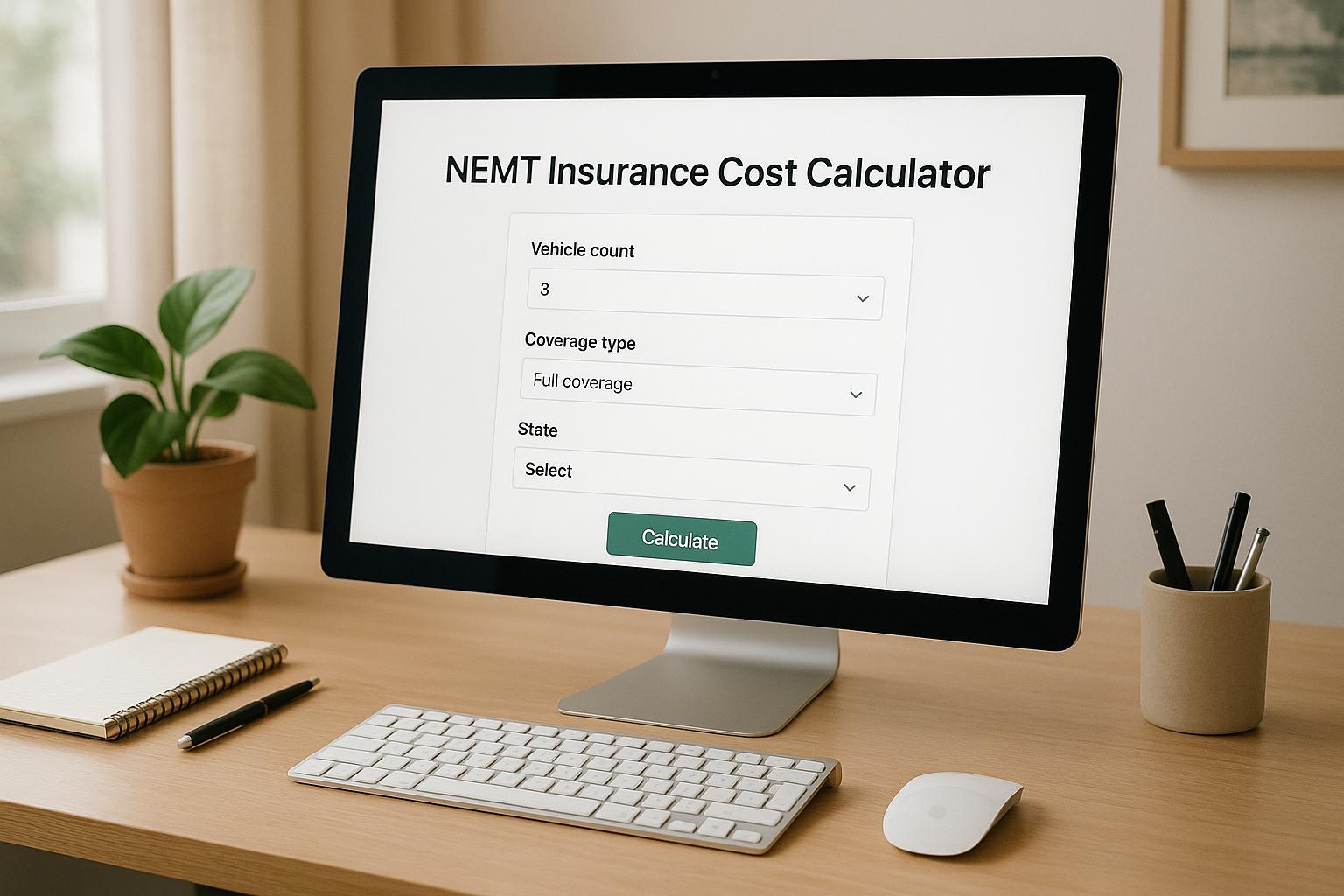
Running a non-emergency medical transportation company means juggling a lot of moving parts, from scheduling to vehicle maintenance. One of the biggest expenses? Insurance. Figuring out what you’ll pay annually for coverage can feel like a shot in the dark, especially with variables like fleet size, location, and coverage levels in play. That’s where a tool designed specifically for NEMT business owners can make a real difference.
Insurance for medical transport services isn’t a one-size-fits-all deal. If you’re operating in a bustling state like New York, you might face higher premiums due to increased risk and regulatory demands. On the flip side, a rural area could mean lower rates. Then there’s the type of plan you choose—basic might cover the essentials, but a premium option offers broader protection at a higher price. Add in your years of experience, which can knock down costs through discounts, and you’ve got a complex puzzle.
Tools that estimate expenses for non-emergency transport coverage help you see the full picture. They break down per-vehicle costs, regional adjustments, and savings, so you can budget with confidence and focus on getting clients where they need to go.
Insurance rates vary by state due to differences in regulations, risk factors, and market conditions. For instance, high-cost states like California or New York have a multiplier of 1.2, increasing your base rate, while lower-cost states like Idaho or Montana use a 0.8 multiplier to reduce it. Our calculator automatically adjusts for these variations based on your selection, so you get a realistic estimate tailored to your location.
We factor in a 5% discount on your total insurance cost for each year you’ve been in business, up to a maximum of 20 years. So, if you’ve been operating for 10 years, you’d save 50% on the base cost after other adjustments. It’s our way of recognizing the experience and reliability that comes with time in the NEMT industry!
Absolutely. We’ve built this tool using industry-standard base rates—$2,000 per vehicle for basic coverage, $3,500 for standard, and $5,000 for premium—and layered in real-world adjustments for state-specific costs and experience discounts. While it’s not a formal quote, it’s a darn good starting point to understand your potential expenses and plan accordingly. For an exact figure, you’ll still want to check with an insurance provider.

Running a non-emergency medical transportation business comes with its share of challenges, especially when it comes to pricing services accurately. That’s where a reliable tool for calculating transport charges becomes invaluable. Whether you’re a small provider or managing a larger fleet, figuring out costs based on mileage, hourly rates, or flat fees can eat up time and lead to mistakes if done manually.
For NEMT providers, transparency in billing builds trust with clients and ensures you’re covering your operational costs. A tool that breaks down base rates, additional fees for specialized equipment, and surcharges for off-hour trips can save you from undercharging or overquoting. It’s not just about numbers—it’s about delivering fair, consistent service to those who rely on you for safe transport to medical appointments.
Imagine having a quick way to input trip details and get an instant cost breakdown, complete with add-ons like wheelchair support. This kind of efficiency lets you focus on what matters most: providing care and reliability. If you’re in the NEMT space, a dedicated rate calculation tool is the kind of resource that can transform how you handle daily operations.
It’s super flexible! You pick your rate type—per mile, per hour, or flat rate—and the tool adjusts accordingly. For per mile, it multiplies your base cost by the distance; for per hour, it uses the total time; and for flat rate, it just takes your base cost as is. Then, it adds any extras you’ve selected. It’s built to keep things straightforward for NEMT providers.
No worries, we’ve got you covered. The tool checks for invalid entries—like letters in a numeric field or negative values—and prompts you to fix them before calculating. If you skip a required field, it’ll nudge you to fill it in. It’s designed to prevent errors so you can trust the output every time.
Absolutely! The converter lets you tack on fees for extras like wheelchair assistance, stretcher service, or after-hours surcharges with simple checkboxes. Each add-on has a preset cost that gets added to your total, and the breakdown shows exactly where every dollar comes from. It’s a handy way to customize pricing for each trip.
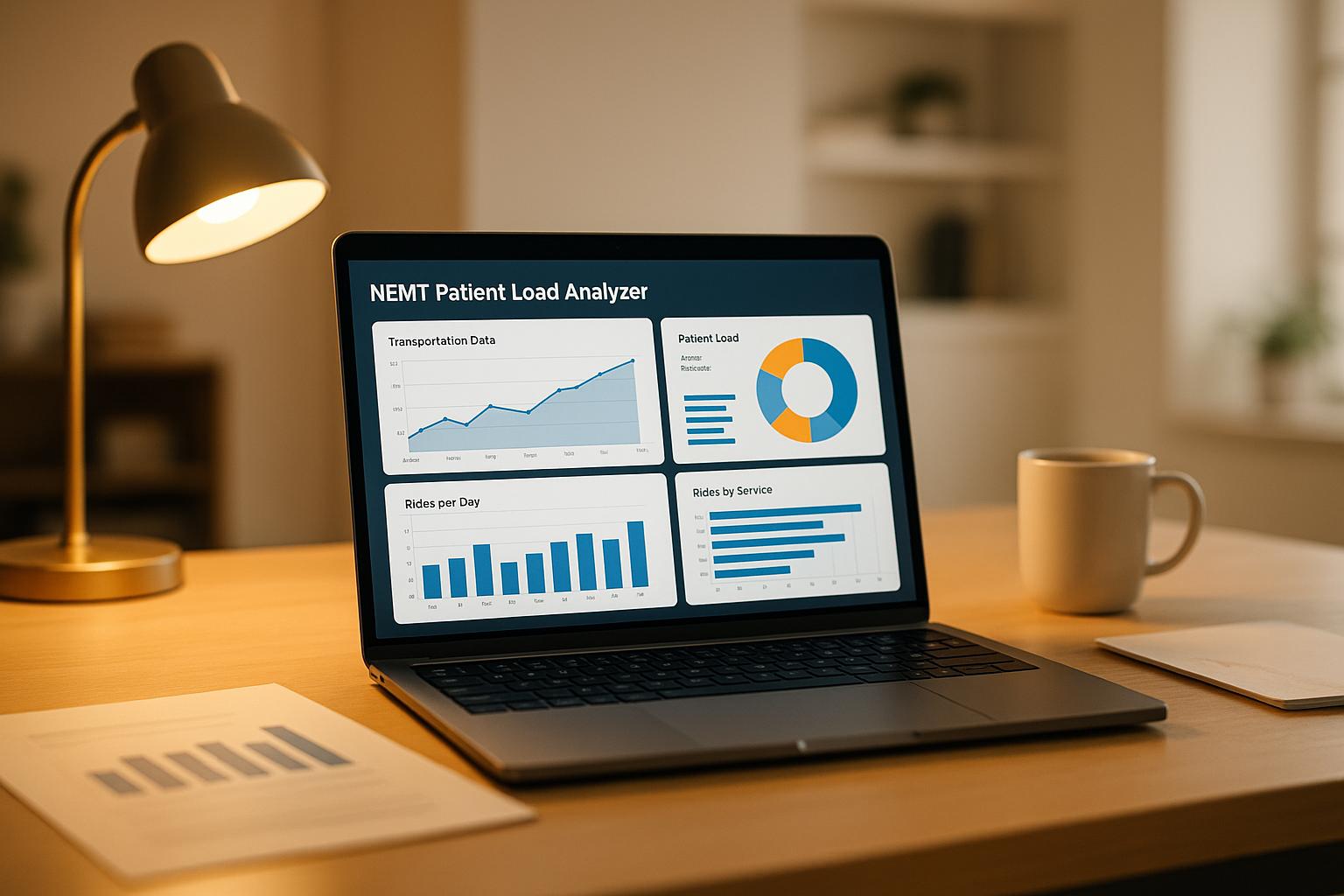
Running a non-emergency medical transportation (NEMT) service comes with unique challenges. From juggling vehicle schedules to ensuring every patient gets to their appointment on time, efficiency is everything. That’s where a tool like our NEMT Patient Load Analyzer shines. It helps providers figure out their daily transport capacity with just a few clicks, taking the stress out of planning.
For NEMT businesses, knowing how many patients you can serve each day isn’t just a number—it’s the backbone of your operation. Overloading your fleet risks delays and unhappy clients, while underutilizing it means lost revenue. By factoring in vehicle numbers, trip frequency, and even downtime for unexpected hiccups, this analyzer delivers a clear picture of what’s possible. It’s like having a logistics expert on hand, minus the hefty consulting fee.
Whether you’ve got a small team of vans or a larger mixed fleet, tools for optimizing medical transport scheduling can adapt to your setup. Input your data, adjust for real-life variables, and get results that help you serve more patients without stretching your resources too thin. Try it today and see the difference smart planning makes!
Downtime reflects real-world hiccups like traffic, maintenance, or unexpected delays. If you set a 10% downtime, for instance, we reduce your total capacity by that percentage to give you a more realistic estimate. It’s a handy way to plan for the unexpected and avoid overbooking your fleet. You can tweak this number between 0 and 50% based on your experience.
Absolutely! Our tool lets you assign different patient capacities to each vehicle, whether it’s a solo transport van or one that can handle three or more patients. Just select the right capacity for each vehicle in the dropdown, and we’ll factor it into the total. It’s built to handle the diversity of real NEMT fleets.
No worries—we’ve got built-in checks to catch errors like that. If you try to input something funky, like a negative number of vehicles or trips, the tool will flag it and ask you to correct it. We keep the minimums sensible (like at least 1 vehicle) so your results always make sense for your operation.

Running a non-emergency medical transportation company comes with unique challenges, especially when it comes to preparing your team for the road. Ensuring staff are well-versed in critical areas like safe driving practices and compassionate patient care is non-negotiable. That’s where a tailored training schedule can make all the difference, saving you hours of planning while boosting service quality.
A structured program isn’t just about checking boxes—it’s about building confidence in your team. From mastering defensive driving to maintaining vehicles, each skill directly impacts client satisfaction and safety. With the right roadmap, you can distribute learning evenly over weeks or months, avoiding overwhelm and ensuring retention. Tools designed for this purpose simplify the process, letting you focus on operations instead of paperwork.
Investing time in staff development pays off with fewer incidents, happier clients, and a stronger reputation. Imagine having a clear plan that outlines daily goals, from customer service tips to hands-on practice. For NEMT operators, leveraging a resource like a training plan builder can transform how you prepare your crew, keeping everyone aligned and ready to roll.
Absolutely! Whether you’ve got one staff member or fifty, this generator adapts to your needs. Just input the number of trainees, pick your focus areas, and it’ll create a plan that fits. It’s perfect for small operations wanting to professionalize training without hiring consultants.
No worries! If you skip selecting focus areas, the tool will prompt you to choose at least one before generating a plan. This ensures your schedule has meaningful content tailored to skills like patient handling or vehicle maintenance that matter to your team.
The tool gives you a solid starting point with a downloadable table. You can tweak it further in your own documents if needed. Plus, you’re free to revisit the generator, adjust inputs like duration or frequency, and create a fresh plan anytime.
NEMT drivers play a critical role in transporting passengers with medical needs, often facing unexpected emergencies on the road. Being prepared can save lives and reduce risks. Here's what you need to know:
Staying calm, following protocols, and keeping skills up to date ensures passenger safety and compliance with regulations.
When sudden issues come up while driving, NEMT drivers must move quick and stick to set steps. What you do right away can turn a risky case into a safe one. After making sure everyone is safe, you must write down what happened. Here’s what to do when things don't go as planned.
After you deal with the urgent part, it's key to write down all about the event right away. These notes aren't just papers - they are the main story of what took place and can help a lot in later steps, in court, and when dealing with insurance. It's important to be right here, so take your time to make sure it's correct.
Begin with simple things: mark the exact time it happened, when you asked for help, and when help came. If your work uses a 24-hour clock, stick to that - write 14:15 not 2:15 PM to keep things clear later.
Then, note where it happened. Be very clear, list the whole address, close spots, or road marks (like, "Interstate 95 near Exit 42"). This helps those coming to help and insurance folk find the right place.
Don't skip details about the weather. Was it wet? Was there thick fog or ice on the road? Say the heat (like, 85°F or 32°F) too. These points might tell why the event took place.
When it's about cars, write your plate number, VIN, and all damage - even small marks. These facts are big in insurance talks.
List everyone there. This means not just hurt people but also drivers, people who saw it, and any cops who came. Note their names, contact ways, and what they did there. If someone won't share their details, write that down as well.
For what you saw in health, stick to what was there. Write things like "person said they felt pain in their chest" or "person passed out at 2:20 PM." Don't guess or try to say why medically - just say what you saw and what you did.
Even in urgent times, laws about privacy like HIPAA are still there. Only write what's needed for the event. For example, if someone says they have sugar problems and it matters, you can say that. But don't write things that aren't needed, like their whole health past.
Keep notes about the event safe. Use your work's computer system or keep paper safe in a locked place. Don't leave notes open in your car where people can see them.
Think about who sees this info. Only share details with your boss, those in charge, people who came to help, or approved health workers. Don’t talk about what you know with other drivers, friends, or family - even in simple talks.
Many companies now use computer systems that keep private things safer. These systems check who looks at the notes and record every time they're seen. This follows privacy rules and keeps you and others safe.
Today's tech makes writing down things easier and safer. Many dispatch systems let you fill out notes right on your phone or tablet. These systems set the time on notes and send them to the right folk, so you don't have to stress about getting every detail down.
Voice-to-text can help a lot when you feel upset after something bad happens. Speaking out what happened is often easy to do, but always check the written text for mistakes - this is real for medical words.
If your app lets you add photos, use it to show damage to your car, the road, or where the accident took place. Snap shots of your car, other cars, and the area around. Just make sure to ask before you take pictures of people or their stuff.
GPS tracking is also useful. Most times, it marks your exact spot in the report, so help can find you fast. It might even keep track of your path before the problem, which can show how safely you were driving.
Cloud saving keeps your reports safe, even if you lose or break your device. People who are allowed can get to the info from any place, which is good if people need those details later.
Getting news right away is another good point of tech. As soon as you send a report, your team knows. They can act quick, like calling for more drivers, reaching out to families, or dealing with insurance. Fast acts help a lot after something goes wrong.
Even though tech makes writing things down faster and safer, you still need to think well about what to write and who can see it. Being right and careful matters a lot.
When emergencies arise, quick and clear communication is essential. Reaching the right people promptly and sharing accurate details can significantly impact the outcome.
Once safety is secured, your first step should be to notify dispatch. Share the basics: your location and a straightforward account of what happened. Stick to observable facts and avoid making assumptions about uncertain details.
The dispatch team plays a critical role in coordinating responses. They can arrange for another driver, contact the passenger's family, or alert the hospital. When law enforcement or emergency responders arrive, cooperate fully - answer their questions honestly and provide necessary documents like your driver’s license or passenger transport details. If authorities request that your vehicle stays on-site, notify dispatch immediately so they can adjust other rides as needed. Keep families informed to ensure a well-rounded emergency response.
Reaching out to families should happen as soon as it’s safe. Most passengers have emergency contact details on file, and timely updates can help reduce their worries. Use the preferred contact method listed, whether that’s a phone call or a text message.
When you contact families or caregivers, speak calmly and clearly. Introduce yourself and, if appropriate, reassure them that their loved one is safe. Keep your explanation simple - avoid technical medical terms or guessing about injuries. Share only the essential details needed to understand the situation, ensuring your communication respects privacy standards like HIPAA.
If they have follow-up questions, stick to the basics. After notifying families and authorities, maintain consistent communication with medical teams to ensure everyone stays informed.
If transport plans change, notify the receiving facility immediately. Provide a clear and concise explanation so medical staff can adapt their schedules. In cases where rerouting to a different hospital is necessary, inform the original facility to help them manage tasks like transferring medical records.
Share incident details with medical staff that are relevant to the passenger’s care, but limit the information to what’s necessary for safety. Use designated phone numbers or dispatch systems to relay updates quickly and accurately. These systems help ensure timely communication and keep everyone on the same page.
Once the immediate emergency response is handled, the work doesn’t stop there. Taking appropriate follow-up actions is crucial for meeting legal requirements, protecting your company from liability, and reducing the chances of similar incidents happening again.
Writing a thorough incident report isn’t just a formality - it’s a legal obligation that safeguards both you and your company. Aim to complete the report within 24 hours to ensure details are fresh and accurate. Include key information such as the time, location, weather conditions, the passenger’s condition, and witness details.
Be specific. Document the passenger’s condition before and after the incident, any first aid provided, and which emergency services were involved. Collect witness contact information and, if safe, take photos of any vehicle damage or the scene itself. Stick to the facts - avoid making assumptions or speculating about what happened.
These reports are essential for meeting DOT standards, supporting insurance claims, and serving as legal records. Many NEMT providers use standardized forms to ensure all necessary details are consistently captured.
When handling sensitive passenger information, remember that HIPAA compliance is non-negotiable. Only include medical details directly related to the incident, and store reports securely, restricting access to authorized personnel.
Once the report is filed, review the incident to identify areas where procedures or responses could improve.
Modern NEMT software doesn’t just help with documentation - it also plays a key role in reviewing your response performance. Evaluating how you handled the situation helps pinpoint what worked well and what could be improved. This review should be conducted within a few days of the incident while the details are still fresh. Typically, a supervisor or safety manager will guide this process.
During the evaluation, focus on your actions, how well you followed protocols, and how effectively you communicated. Use evaluation forms to break down specific aspects, such as first aid application, passenger care, and the use of available tools and technology.
Feedback from passengers, dispatch teams, and emergency responders adds valuable perspective. This 360-degree feedback helps highlight strengths to build on and areas that need improvement.
NEMT software can greatly enhance this evaluation. Real-time vehicle tracking and GPS data provide a detailed account of your journey, including the route you took and how you navigated during the emergency. These insights help supervisors analyze your decision-making and identify any navigation or timing challenges that may have affected your response.
The information gathered during this process can guide targeted training to improve future responses.
Lessons learned from incident documentation and performance reviews should directly inform your training. Focused training ensures you’re better prepared for future emergencies, including mastering tools like GPS and AI-powered software. If the evaluation highlights gaps in your knowledge or skills, address them promptly. For example, renew CPR and First Aid certifications every 1–2 years, but don’t wait if an incident reveals a need for immediate improvement - complete additional training within 30 days.
Tailor training to real-world scenarios that mirror the challenges you faced. If communication was an issue, practice delivering clear, calm reports. If first aid application was a struggle, schedule hands-on refresher sessions. Increasingly, post-incident training also emphasizes empathy, active listening, and cultural awareness to improve passenger care during high-stress situations.
Keep detailed records of all completed training and updated certifications. This documentation not only demonstrates compliance but also shows your commitment to passenger safety. Many companies now use insights from incident evaluations to customize future training programs, creating more effective preparation for emergencies.
Don’t overlook the importance of technology training. If you found GPS navigation or communication systems difficult to use during the incident, request additional instruction. AI-powered NEMT software can even analyze data to highlight specific areas where you need extra support, making your training more focused and impactful.
Finally, remember that your mental health is just as important as your technical skills. Taking care of yourself ensures you’re ready to provide safe, compassionate care to passengers in the future.
Here’s a quick rundown to help you stay prepared for emergencies. Readiness comes down to understanding key actions, using the right tools, and keeping a level head.
Safety is the top priority. Before doing anything else, secure your vehicle, evaluate the situation, and ensure the safety of yourself and your passengers. Your ability to assist others relies on protecting yourself first.
Clear communication makes a difference. Stick to established protocols when talking to dispatch, emergency services, or families. Provide accurate location details and use calm, straightforward language. A steady, compassionate tone can ease tension and reduce stress.
Document everything accurately. File incident reports immediately while the details are fresh in your mind. Ensure all facts are recorded promptly and correctly, adhering to HIPAA guidelines.
Training saves lives. Keep your CPR and First Aid certifications up to date. Regular performance reviews can highlight where your emergency response skills shine and where there’s room to grow.
Vehicle maintenance is non-negotiable. Perform daily inspections of your vehicle and its safety equipment, mobility aids, and communication tools. Keeping everything in working order minimizes the risk of equipment failure when it matters most.
Technology can strengthen these protocols, making emergency response more efficient and reliable. Modern NEMT software offers tools that improve coordination and compliance with regulations. For instance:
The NEMT Driver App simplifies emergency documentation with quick data entry and easy access to key information. It also provides real-time traffic updates, helping drivers find the safest routes to avoid hazards or reach emergency services faster.
AI-powered platforms, like Bambi’s award-winning NEMT software, take it a step further. This tool analyzes incident data to identify areas where drivers might need extra support. By focusing training on specific needs, it ensures drivers are better equipped for future challenges.
At $69 per month per vehicle, this software delivers essential emergency tools without hidden fees. Its 5.0-star ratings across multiple review sites highlight its reliability in real-world situations.
Of course, technology is a tool, not a replacement for good judgment. When combined with well-trained drivers, it creates a solid foundation for ensuring passenger safety and meeting regulatory standards during emergencies.
Take time to review these protocols and ensure your emergency response plan is consistent and effective.
NEMT drivers play an essential role in keeping patients safe, particularly during emergencies. To be ready for such critical moments, it's often advised that drivers earn certifications in First Aid and CPR (Cardiopulmonary Resuscitation). These certifications equip drivers with the skills needed to manage medical emergencies until professional help can take over.
On top of that, training in defensive driving and passenger assistance techniques can further improve safety and readiness. Depending on the state or organization, there may also be specific certifications required for medical transportation. It's important to review local regulations and employer expectations to ensure you're fully prepared and meeting all necessary standards.
To stay within HIPAA guidelines when documenting incidents, NEMT drivers must adhere to strict measures that safeguard patient privacy. Reports should contain only the essential details, steering clear of unnecessary personal health information unless it's required for medical or legal reasons.
When handling documentation, use secure and HIPAA-compliant systems, such as encrypted platforms, for storage and communication. It's critical to verify that any shared information is sent exclusively to authorized individuals to ensure confidentiality.
For further tips and best practices, the Bambi NEMT blog is a helpful resource, providing valuable insights on compliance and effective operations for NEMT providers.
Technology plays a key role in helping NEMT drivers handle emergencies more efficiently while keeping records accurate. Tools like AI-powered software come equipped with features such as real-time GPS tracking, automated trip updates, and seamless communication between drivers and dispatchers. These tools ensure that vital details - like the vehicle's location and trip status - are always current and readily available when emergencies arise.
Beyond emergencies, technology also simplifies everyday tasks, including shift confirmations, vehicle inspections, and managing upcoming trips. This helps drivers stay organized and concentrate on what matters most: patient care. By integrating these tools, NEMT providers can improve safety and efficiency, making it easier to respond to unexpected challenges smoothly.
Real-time communication is critical for Non-Emergency Medical Transportation (NEMT) operations. It ensures timely updates, improves coordination, and builds trust between providers and passengers. Using tools like mobile apps, GPS tracking, and automated messaging, NEMT providers can streamline operations, reduce delays, and comply with HIPAA requirements. Here's what you need to know:
Effective real-time communication in NEMT (Non-Emergency Medical Transportation) relies on three core elements that ensure seamless information exchange, security, and compliance. These components work hand-in-hand with technology to deliver consistent and efficient communication.
Clear, standardized procedures for daily updates, emergencies, and schedule adjustments are essential for effective communication in NEMT operations. These guidelines help reduce confusion and improve response times.
For example, daily check-ins, standardized emergency codes, and pre-trip checklists create smoother workflows and significantly cut down on errors. When paired with advanced digital tools, these procedures ensure a cohesive communication system.
Automated trip status updates powered by GPS provide dispatchers with real-time insights without requiring manual check-ins. Drivers can access trip statuses, upcoming details, and routes, while also sharing updates on vehicle inspections, locations, and shift confirmations through the system.
"With Bambi, it was super. Everything was right there in front of you. And literally, my lead driver told me it's perfect, in comparison to the old software we used. They were able to just see everything, and then they can now make adjustments on their route", shared Cho Ndiforchu, Owner at Skyline Transport.
For instance, when a driver confirms a pickup via a mobile app, the dispatcher is instantly notified. This allows for quick adjustments in case of delays, eliminating manual check-ins and helping maintain punctuality.
While robust procedures are critical, having a well-trained team is equally important to fully leverage communication technology. User-friendly software plays a key role in simplifying training and adoption.
Streamlined onboarding and responsive customer support enable dispatchers and drivers to quickly adapt to real-time communication tools. Mobile apps designed with drivers in mind reduce the learning curve for new team members.
"Bambi has a lot of features. The dispatch was so easy for me and how I assigned the trips for the drivers. I was a driver at a different NEMT company and when I downloaded the Bambi Driver App I found it was easier than the other software", noted Elmouataz Hassan from Tum Trans.
Automated features like GPS tracking and real-time status updates minimize manual input, making the roles of dispatchers and drivers more manageable while maintaining high communication standards.
Interactive training methods, such as role-playing and job shadowing, immerse staff in real-life scenarios. These techniques enhance understanding of each other's roles, fostering better collaboration and problem-solving.
Incorporating secure communication practices is essential, especially when handling sensitive medical information. HIPAA compliance ensures that all communication systems safeguard patient privacy and adhere to strict legal standards.
Modern NEMT providers rely on encrypted digital platforms to securely transmit sensitive data, such as passenger medical conditions, mobility needs, and appointment details. These platforms ensure data protection throughout the information exchange process.
Digital documentation and management systems further simplify compliance by maintaining secure and accurate records. Even offline GPS events are logged to support HIPAA requirements.
"Integrating advanced scheduling software and real-time tracking systems has revolutionized how we operate. Our efficiency has improved dramatically, leading to better service for our clients", observed Alex Stoia from Corazon Concierge.
To evaluate communication system performance, NEMT providers should monitor metrics like response times, communication error rates, on-time performance, incident resolution times, and patient satisfaction. These insights help pinpoint areas for improvement and highlight the impact of communication strategies on overall service quality.
Today's NEMT (Non-Emergency Medical Transportation) operations rely heavily on technology to keep dispatchers, drivers, and passengers connected in real time. These tools close communication gaps and streamline coordination, ensuring smoother transportation services.
Mobile apps are at the heart of real-time communication for NEMT, replacing outdated methods like radio and phone calls. These apps make it easier for field staff and dispatch centers to stay in sync.
Take the Bambi NEMT Driver App, for example. Available on iOS and Android, this app simplifies daily operations by providing real-time trip updates, upcoming schedules, vehicle inspections, and shift confirmations - all in one place.
"When I downloaded the Bambi Driver App, I found it was easier than the other software", shared Elmouataz Hassan from Tum Trans.
Drivers can also use secure in-app messaging to notify dispatchers of any changes to a patient’s condition during a trip. This ensures timely responses and proper care coordination. Even in areas with poor coverage, offline features allow drivers to document routes and share updates seamlessly.
Tony Jackson from Top Choice Medical Transport praised the app's effectiveness:
"The drivers seem to love it on their phones and tablets, and it made our job a lot easier to enter the trips than what we had prior".
Mobile apps like these, combined with GPS tracking, take operational efficiency to the next level.
Real-time GPS tracking has transformed how NEMT providers manage their fleets. Dispatchers can monitor live vehicle locations, making it easier to handle unexpected situations proactively.
With automated trip status updates, dispatchers get continuous data on traffic, navigation, and estimated arrival times. This eliminates the need for constant driver check-ins, as the system keeps everyone informed. AI-powered tools further improve efficiency by optimizing routes and reallocating drivers to avoid delays and reduce fuel consumption.
"With Bambi, it was super. Everything was right there in front of you. And literally, my lead driver told me it's perfect, in comparison to the old software we used. They were able to just see everything, and then they can now make adjustments on their route", said Cho Ndiforchu, Owner at Skyline Transport.
Drivers can quickly adjust routes in response to real-time conditions like traffic jams or road closures, with updates automatically shared with dispatch. This flexibility ensures smoother service while maintaining accurate arrival times for patients and healthcare facilities.
GPS tracking also enhances fleet visibility, giving dispatchers a clear view of each driver’s location and trip status. This helps allocate resources effectively while keeping everyone on schedule.
To complement mobile apps and GPS tracking, automated notifications add another layer of efficiency. These systems instantly share trip updates, schedule changes, and emergency alerts, reducing manual effort and improving transparency.
Trip status alerts keep everyone informed when pickups are completed, vehicles are en route, or passengers have reached their destinations. This builds trust with patients and healthcare providers while cutting down on calls to dispatch centers.
Schedule change notifications ensure that drivers and passengers are immediately informed about appointment updates or cancellations. The system can adjust routes automatically and notify all affected parties to prevent confusion or disruptions.
Samuel Harris from On Time On Target Transportation highlighted the impact:
"Bambi has been able to kind of streamline that whole process...it just takes me half the time, or probably even less than that, to get everything kind of squared away".
Emergency alerts allow drivers to notify dispatch about urgent situations like medical emergencies, vehicle breakdowns, or safety concerns. These alerts enable rapid responses from both dispatch and emergency services.
Patient-facing notifications enhance the passenger experience by providing real-time updates. Passengers receive messages confirming pickup times, driver details, and arrival notifications, which helps reduce anxiety about their medical appointments and builds confidence in the service.
Using advanced communication tools effectively requires a thoughtful approach that combines team training with feedback systems to improve overall efficiency. Successfully implementing real-time communication involves careful planning, targeted training, and ongoing evaluation.
The foundation of any successful communication strategy is proper training. Start with the basics - like sending messages, updating statuses, and using GPS navigation. Once those are mastered, move on to more complex tasks, such as managing emergency alerts or handling last-minute route adjustments.
Incorporating role-playing exercises can help staff practice real-world situations, such as responding to medical emergencies or dealing with unexpected schedule changes. These exercises not only build confidence but also reveal potential weaknesses in the system or training.
Job shadowing is another effective method, offering team members firsthand insight into the challenges faced by both dispatchers and drivers. This shared understanding fosters better collaboration.
Training should be revisited regularly - ideally, once a year or whenever significant updates are made to communication tools or protocols. After major incidents or in response to feedback, additional sessions can address specific issues. To ensure respectful interactions, include cultural sensitivity training as part of the curriculum.
Training alone isn’t enough; continuous feedback is essential for ongoing improvement. Structured debriefing sessions offer a chance to identify communication failures and celebrate successes. Weekly debriefs, for example, can help analyze incidents, uncover root causes, and refine procedures.
To encourage honest input, anonymous feedback channels - such as online forms or suggestion boxes - can be invaluable. These tools allow staff to share thoughts on communication tools, procedures, or training needs without fear of judgment. Reviewing this feedback monthly and acting on it demonstrates a commitment to improvement.
Involving team members in selecting and testing new communication tools fosters engagement and ensures that the tools meet actual needs. This participatory approach also creates a record of feedback and performance data, which can guide future enhancements.
Tracking key metrics is crucial for assessing the effectiveness of communication systems. For instance, improved systems can reduce response times by as much as 30%. Here are some key areas to monitor:
Here’s a quick overview of these metrics:
| Metric | What It Measures | Why It Matters |
|---|---|---|
| Response Time | Speed of reply to messages/alerts | Fast responses ensure timely updates and smooth operations. |
| Message Accuracy | Correctness of the information | Accurate details reduce errors and confusion. |
| On-Time Performance | Rate of trips completed as scheduled | Reliable service builds trust and meets contractual obligations. |
| Trip Delays | Frequency of delays in trips | Fewer delays improve overall efficiency and customer satisfaction. |
Performance dashboards that provide real-time visibility into these metrics can be game-changers. Sharing these indicators with the team keeps everyone focused on common goals. Regular reviews - monthly for quick adjustments and quarterly for deeper analysis - can highlight areas needing improvement and inform updates to training and procedures.
Real-world examples highlight how efficient communication systems can turn disruptions into quick, effective solutions.
Take Metro Medical Transport, a mid-sized NEMT provider, as an example. At 8:30 AM, dispatcher Sarah faces three issues at once: a canceled 9:00 AM dialysis appointment, an emergency pickup request from a hospital, and a driver reporting that his vehicle won’t start.
Without real-time tools, handling these challenges would mean making multiple phone calls and manually adjusting schedules - a process prone to delays and mistakes. However, with an integrated communication system, Sarah resolves all three problems in just four minutes.
Here’s how it works: using a mobile dispatch app, Sarah quickly notifies Driver Mike about the cancellation. The system automatically recalculates his route, assigns him to the emergency pickup, and Mike confirms the change with a single tap.
Meanwhile, GPS tracking identifies Driver Lisa as the closest available resource for the stranded vehicle issue. Sarah sends an automated alert to Lisa’s mobile app with updated pickup details. Thanks to automated scheduling and instant notifications, service disruptions are avoided entirely. Sarah resolves everything in under five minutes, ensuring patients are informed and services stay on track.
This example demonstrates how AI-powered systems can revolutionize operations, as noted in industry insights.
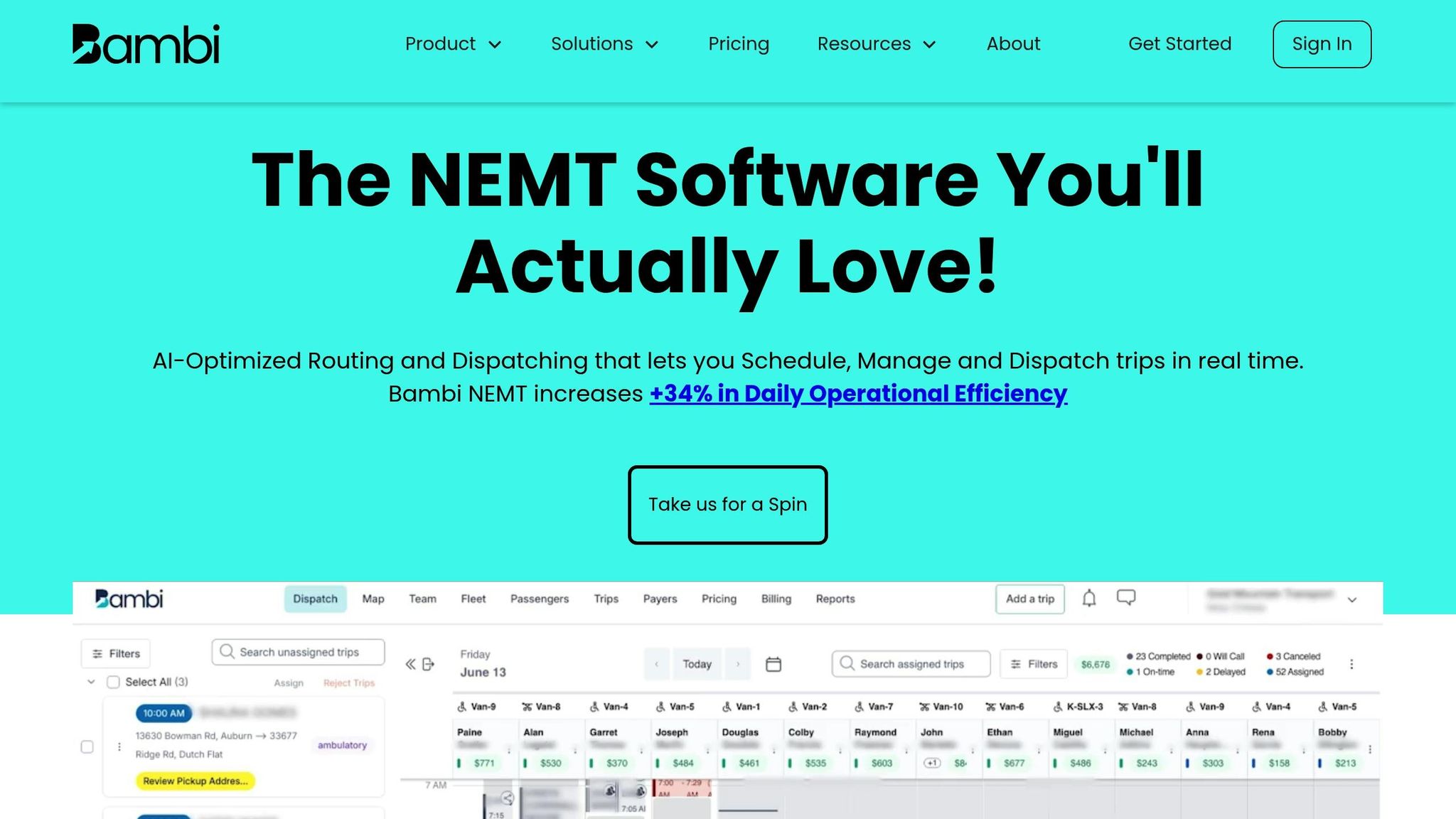
The Bambi NEMT blog builds on the Metro Medical Transport story, showing how AI-driven communication tools remove the bottlenecks caused by manual processes. One provider reported saving significant time during trip bookings, while another saw noticeable improvements in overall operational flow.
The blog also highlights the benefits of real-time vehicle tracking and automated GPS updates. These tools ensure that dispatchers and drivers always have access to accurate, up-to-date information on traffic, navigation, and arrival times. This constant stream of data helps teams make informed decisions quickly and reduces stress during high-pressure situations.
Real-time communication is a game-changer for Non-Emergency Medical Transportation (NEMT) providers. It transforms operations from constantly reacting to problems into delivering proactive, seamless service. Providers who upgrade to modern communication systems report noticeable gains in efficiency and patient satisfaction. These methods blend operational effectiveness with regulatory requirements, building on the advanced tools covered earlier.
Clear procedures are the backbone of effective communication. Tracking metrics like on-time performance, response times to schedule changes, passenger satisfaction, and incident resolution helps providers pinpoint areas for improvement and refine their communication strategies. These metrics serve as a roadmap for better operations.
Ongoing training and feedback for drivers and dispatchers play a huge role in enhancing service quality and compliance. Two-way communication tools allow drivers and passengers to address issues or requests instantly, creating a flexible system that boosts satisfaction across the board. This approach acknowledges that communication is a skill that requires constant refinement.
HIPAA-compliant platforms ensure secure and efficient communication. Moving away from traditional phone calls and paper logs isn’t just about convenience - it’s about establishing secure, trackable communication channels. These systems rely on real-time data and secure protocols, ensuring that every improvement builds on a strong, reliable foundation.
When paired with streamlined processes and training, technology drives significant improvements in both efficiency and patient care. For example, tech upgrades can slash operational costs by as much as 70% and save patients an average of $268 annually. Automated alerts and reminders help reduce no-shows and improve punctuality, tackling one of the industry's most persistent challenges.
Cloud-based, AI-powered dispatch platforms are becoming the norm, replacing outdated manual systems. Features like route optimization, automated scheduling, real-time GPS tracking, and instant messaging cut fuel costs, reduce delays, and enhance on-time performance.
Consider this: 58% of NEMT users depend entirely on these services to make their medical appointments. This reliance makes robust communication and tracking tools not just helpful, but essential for ensuring positive health outcomes.
"With Bambi, it was super. Everything was right there in front of you. And literally, my lead driver told me it's perfect, in comparison to the old software we used. They were able to just see everything, and then they can now make adjustments on their route." - Cho Ndiforchu, Owner at Skyline Transport
Data analytics from communication and tracking tools allow providers to fine-tune routes and continuously improve their services. This creates a feedback loop where better communication generates better data, which leads to smarter decisions and smoother operations.
This shift isn’t just about cutting costs or saving time - it’s about building a system that can grow while maintaining the high-quality care patients rely on.
To ensure HIPAA compliance when using real-time communication tools, NEMT providers need to focus on using secure, encrypted platforms that protect sensitive patient information. It's crucial to choose tools that meet HIPAA standards, including features like end-to-end encryption and strict access controls, to prevent unauthorized access to data.
Equally important is educating your staff and drivers about proper data handling practices. Emphasize the importance of confidentiality and provide regular training sessions to keep everyone informed. Make it a priority to review and update your communication protocols frequently, ensuring they align with the most recent compliance guidelines. By pairing secure technology with comprehensive training, you can improve real-time communication without compromising compliance.
To help staff effectively use real-time communication tools in NEMT operations, prioritize hands-on training and continuous support. Start with interactive training sessions that walk employees through the tool's features - like sending and receiving updates, managing urgent requests, and troubleshooting common problems. Incorporating simulated scenarios allows drivers and dispatchers to practice handling real-world situations in a safe, controlled setting.
To reinforce these skills, offer regular refresher courses and provide access to user-friendly guides or video tutorials. Keep the lines of communication open by establishing a feedback system where staff can share their challenges and suggest improvements. This approach helps ensure everyone feels confident using the tools, which leads to smoother day-to-day operations and better service for passengers.
Automated notifications and alerts play a key role in improving communication within NEMT services by providing real-time updates on trip statuses, driver locations, and any schedule adjustments. By replacing outdated methods like phone calls or paper logs, these tools significantly reduce delays and miscommunication.
With GPS tracking and instant alerts, dispatchers can respond to issues quickly, reroute drivers when necessary, and keep passengers updated. This streamlined approach not only boosts efficiency but also creates a smoother, more reliable experience for both drivers and riders.
.png)
See the full interview on YouTube
Please don't forget to subscribe and like NEMT Experts Podcast on YouTube.
Also, available to watch on Spotify
And listen (audio only) on your other favorite podcast platforms Apple and Pandora.
In this Episode 94 of the NEMT Experts Podcast, we talk with Jim Haubrik and his family, who run Servants Heart Transportation, a fast-growing NEMT business across Arizona, on how they're expanding their NEMT business with a focus on direct facility contracts.
Emergency reporting is critical for Non-Emergency Medical Transportation (NEMT) providers to ensure compliance, passenger safety, and operational continuity. Here's what you need to know:
Staying compliant requires timely reporting, proper record retention, and regular staff training. Accurate documentation not only meets regulatory requirements but also improves safety and operational efficiency.
When an emergency happens during NEMT transport, acting quickly and methodically is crucial. Your priority should always be to safeguard everyone involved.
Passenger safety must always come first - everything else takes a backseat. In the event of a medical emergency, pull over to a safe spot, away from traffic or other hazards. Call 911 immediately and follow the dispatcher’s instructions to the letter. Their guidance should override company policies or passenger preferences.
While waiting for emergency responders, evaluate the situation within the limits of your training. If you’re certified in first aid or CPR, provide assistance as needed, but avoid moving the passenger unless their safety is at risk.
Respect the passenger’s privacy by keeping onlookers at a distance. Use your vehicle or position yourself to shield them from public view, ensuring compliance with HIPAA regulations and helping to reduce stress during an already difficult moment.
Your safety is equally important. Don’t put yourself in harm’s way - whether from traffic, bad weather, or unstable conditions. If you’re injured, you won’t be able to help anyone else.
Clear communication is key in emergencies, and it starts with having a defined chain of command in place beforehand. Notify 911 and your dispatch center immediately. Provide critical details such as your exact location, what happened, the passenger’s condition, any known medical history, and environmental factors.
When speaking with your dispatch center, include operational details like your vehicle number, current status, estimated time until emergency services arrive, and whether a replacement vehicle will be needed for other scheduled trips.
Your communication protocols should outline who to contact first, the order of information sharing, how to escalate serious incidents, and backup methods to use if your primary system fails. If your main communication method isn’t working, switch to a pre-tested backup device.
Once communication is established, begin documenting the situation as soon as it’s safe to do so.
Start recording details as soon as it’s safe, without delaying emergency care or compromising passenger safety. Once emergency responders take over, document the following while the details are still fresh:
Stick to facts. For instance, instead of saying, “passenger had a heart attack,” write, “passenger reported chest pain and difficulty breathing.” This approach ensures accuracy for medical professionals and protects you legally.
Make sure your documentation tools - whether paper forms, mobile apps, or voice recorders - are always charged, functional, and within reach. This preparation allows you to capture essential details without delay.
Once immediate safety is ensured and initial on-scene notes are taken, the next step is completing a formal incident report. This report acts as the official account of events and plays a critical role in meeting legal, regulatory, and insurance requirements.
Unlike quick on-scene notes, a formal incident report is a detailed and structured document intended for legal and regulatory review. It builds on your initial observations, compiling all relevant information for a thorough post-incident evaluation.
Start by recording the basics: the date, time (use MM/DD/YYYY and 24-hour format), and precise location of the incident. Be as specific as possible - include street addresses, mile markers, or GPS coordinates if available.
Document the names and contact details of everyone involved, including passengers, the driver, witnesses, and emergency responders. When describing the incident, stick to factual observations. Avoid assumptions or medical diagnoses. For example, instead of writing "passenger had a stroke", describe what you saw: "passenger became unresponsive, with slurred speech and weakness on the left side of the body." This approach ensures accuracy and protects you legally while offering useful information for medical professionals.
Include vehicle-specific details, such as the identification number, mileage, and any visible damage. Note the driver’s identification as well. If injuries occurred, describe them factually without making assumptions about their severity or cause.
Create a clear timeline by listing actions in order. Detail when you noticed the issue, stopped the vehicle, called 911, provided assistance, and handed over care to emergency responders. Adding timestamps for these actions can help establish a reliable sequence of events.
Use your on-scene notes to include witness accounts. Provide each witness's full name, phone number, and a brief description of what they observed. Expand on this information in the formal report as needed to ensure completeness.
A strong incident report doesn’t rely solely on your initial notes. Supporting materials add depth and context, which can be critical for legal or regulatory reviews.
Clearly label all supporting documents with the incident date, time, and a short description. Organize them in chronological order and reference them within your main report to streamline internal reviews or external audits.
The choice of reporting system - digital or paper-based - can significantly affect how efficiently and securely you document incidents.
Digital systems allow for real-time data entry and sharing, enabling you to complete reports quickly and distribute them to stakeholders. Many platforms include automated tools that flag missing details or potential HIPAA issues before submission.
Paper-based systems, while still in use, are slower and more prone to errors. Handwritten reports can be misplaced or damaged, and manual reviews are required to ensure compliance. However, paper forms might still be necessary in areas with limited access to technology.
| Aspect | Digital Reporting | Paper-Based Reporting |
|---|---|---|
| Speed | Fast, real-time submission | Slower, manual processing |
| Accuracy | Automated error checks | Prone to human error |
| Compliance | Built-in HIPAA alerts | Manual compliance review |
| Storage | Secure, cloud-based systems | Physical storage, risk of loss |
| Accessibility | Remote access from devices | On-site access only |
Platforms like Bambi's AI-powered software can simplify the reporting process by automating much of the documentation, integrating supporting materials, and ensuring HIPAA compliance. These tools also facilitate real-time communication with stakeholders and maintain secure, searchable records for future use.
To ensure continuity, consider combining digital reporting with paper backups. Regular training for staff on the chosen system is key to ensuring reports are completed accurately and submitted promptly.
After completing your emergency documentation, the next step is just as critical: ensuring your report is reviewed, approved, and submitted according to industry standards. This process demands careful attention to internal procedures, external requirements, and long-term record retention rules.
Before any emergency report leaves your organization, it must go through a detailed internal review. This ensures the report is accurate, complete, and aligned with company policies and regulatory standards.
Typically, the review begins with your immediate supervisor or a designated safety officer within 24 hours of the incident. They check that all required fields are filled in, supporting documents are attached, and the sequence of events is clearly outlined. Reports are often cross-checked with security footage and dispatch logs to ensure consistency.
Supervisors focus on verifying key details like precise timestamps, full contact information, and accurate event descriptions. They also confirm that the report meets all regulatory and company standards. For incidents involving serious injuries, property damage, or potential liability, the report is escalated to management for final approval. Many organizations now use digital tools to streamline this process. For example, Bambi's AI-powered software can flag incomplete reports or potential HIPAA compliance issues, helping to avoid delays.
Once the internal review is complete, you can move on to meet external reporting obligations.
After internal approval, reports often need to be submitted to external agencies, each with specific requirements and deadlines. Meeting these guidelines is essential to staying compliant and avoiding penalties.
| Agency Type | Initial Notification | Follow‑Up Reporting | Format Requirements |
|---|---|---|---|
| Medicaid/State Health | Within 72 hours | As required by agency guidelines | Electronic portal using standardized forms |
| Insurance Providers | Within 24 hours | 7–10 business days | Company-specific forms; photos as needed |
| SERC/LEPC | Immediate | As soon as practicable | Written follow-up; public record |
Each agency has specific data fields, file formats, and submission protocols. Always confirm the latest requirements with the relevant agency, as these guidelines can change.
Once reports are submitted, proper storage and retention are essential for ongoing compliance. Federal and state laws typically require emergency and incident reports to be kept for 5–7 years, though some jurisdictions extend this to 10 years. HIPAA regulations add another layer of responsibility, mandating secure storage for any reports containing Protected Health Information (PHI).
Digital storage has become the preferred method due to its security and convenience. Encrypted digital records prevent loss or damage, allow access tracking, and make audits or legal proceedings more efficient. Access controls are key for HIPAA compliance - only authorized personnel should view reports, and all access should be logged and reviewed regularly. Routine audits can help identify unauthorized access attempts and ensure compliance.
The consequences of failing to meet record retention requirements are severe. These include legal penalties, loss of accreditation, breaches of confidentiality, and potentially six-figure fines. Digital platforms can simplify the review, submission, and storage processes. For example, a county health department that implemented a National Incident Management System (NIMS) saw improved coordination during emergencies. Their centralized platform allowed hospitals, agencies, and schools to access real-time incident data securely, reducing administrative burdens and enhancing communication.
Regular staff training on retention policies is crucial. Your organization’s policies should clearly outline retention periods, storage methods, access controls, and procedures for securely disposing of records after the retention period ends. Document these policies in writing and review them annually to stay aligned with evolving regulations.
Building on established reporting practices, technology has transformed how Non-Emergency Medical Transportation (NEMT) providers handle emergency documentation. By improving accuracy, speeding up processes, and ensuring compliance, digital tools make emergency reporting safer and more efficient.
Digital systems address many common pitfalls in emergency documentation. Automated data entry and required fields help eliminate errors and ensure reports are complete and consistent. For example, when an emergency arises, drivers can use mobile apps to quickly record GPS coordinates, timestamps, and incident details with just a few taps.
These platforms also streamline communication. Notifications via email, SMS, or in-app alerts are sent instantly to safety officers, regulatory agencies, and internal teams. This ensures all necessary parties are informed within critical timeframes, like the 48-hour notification window for infectious disease exposure.
Security is another key benefit. Advanced NEMT software encrypts sensitive data, restricts user access, and logs all actions to maintain HIPAA compliance.
The operational advantages are undeniable. Providers report significant time savings - some cutting documentation time nearly in half. One provider even noted the new system saved them an entire day’s workload. These improvements aren’t just anecdotal. In 2022, the Florida Agency for Health Care Administration saw a 30% drop in emergency reporting errors after implementing a digital Health Facility Reporting System for licensed facilities. This success was tied to thorough staff training and online resources, which boosted compliance and sped up incident resolution.
Digital systems also unlock powerful insights. Unlike paper records that sit in filing cabinets, electronic reports can be analyzed to spot patterns and trends. This data-driven approach helps providers address recurring issues, improve safety measures, and demonstrate their commitment to compliance during audits.
Modern NEMT software integrates seamlessly with existing workflows. When an incident occurs, the system can automatically pull details from dispatch logs, vehicle tracking, and passenger records. This reduces the time spent gathering information and minimizes errors.
To fully embrace these operational upgrades, industry resources and updated guidelines offer vital support. Blogs like the Bambi NEMT blog share success stories about providers who adopted AI-powered dispatch and reporting tools. These tools have led to faster documentation, better compliance, and reduced administrative burdens. One case study described how a provider reduced their report turnaround time from days to just hours by switching to a digital platform. The new system enabled instant communication with regulatory bodies and internal teams, greatly enhancing emergency response.
Regulatory organizations also provide valuable frameworks for emergency preparedness. For instance, the Office of Inspector General offers toolkits linking timely, accurate reporting to better patient outcomes. Similarly, HRSA provides technical documents outlining best practices for emergency documentation.
Looking ahead, the Joint Commission has updated its emergency management requirements for accredited laboratories, effective January 1, 2025. These updates stress the importance of robust digital documentation systems. Adopting adaptable technology now ensures providers stay ahead of evolving standards.
Training plays a key role in successful adoption. The most effective platforms offer intuitive interfaces, comprehensive onboarding, and ongoing vendor support. Clearly communicating the benefits of digital reporting can help address staff concerns and ensure a smooth transition.
Finally, regular evaluations of your emergency reporting technology are crucial. Tracking metrics like report completion times, error rates, compliance with deadlines, audit results, and user feedback can highlight areas for improvement and demonstrate the value of these digital tools.
Emergency reporting in Non-Emergency Medical Transportation (NEMT) revolves around three pillars: preparedness, accuracy, and compliance. These components work hand in hand to safeguard passengers, protect staff, and ensure your organization adheres to all legal and regulatory standards.
Preparedness starts with clear procedures. Training your staff is crucial so they know exactly when to call 911, how to document incidents promptly, and which internal and external parties need to be informed. Having standardized incident report forms and digital tools ready eliminates confusion during critical situations. This foundation ensures your team can focus on accurate reporting and meeting regulatory requirements.
Accuracy and timeliness are non-negotiable. Reports must include all necessary details and supporting documentation. Typically, incidents need to be documented within 24 hours, and quarterly emergency care data reports are due 45 days after the end of each reporting period. Missing these deadlines could result in regulatory issues and penalties.
Compliance involves understanding multiple regulatory layers. NEMT providers must navigate federal, state, and local guidelines. Staying on top of deadlines and knowing the specific requirements for each level is critical to avoiding violations.
Technology is a game-changer for emergency reporting. Digital platforms minimize errors, speed up communication, and securely store sensitive information while adhering to HIPAA standards. Electronic systems enhance real-time awareness and improve coordination between agencies. For instance, the Bambi NEMT blog (https://hibambi.com) highlights how advanced digital tools can simplify compliance and boost efficiency.
Centralized and secure record storage is a must. Implement systems that allow easy access to records while meeting mandated retention requirements. Beyond ensuring timely reporting, technology also streamlines record management. Regular audits and backups protect against data loss and demonstrate your commitment to compliance during inspections.
Lastly, emergency reporting isn't a "set it and forget it" process. Regular evaluations and training help refine procedures and keep your organization aligned with evolving regulations and industry trends. Reviewing policies, updating staff training, and assessing reporting tools periodically can identify gaps and improve your emergency response capabilities.
Digital tools, such as Bambi's AI-powered software, streamline critical aspects of emergency reporting, including dispatching, scheduling, and communication. They help minimize mistakes and ensure adherence to essential regulations like HIPAA.
By automating routine tasks and offering real-time updates, these digital solutions free up NEMT providers to concentrate on enhancing patient care while boosting efficiency across their operations.
To meet regulatory standards, an incident report must contain precise and comprehensive details about the event. Begin by recording the date, time, and location where the incident occurred. Then, list the names and roles of all individuals involved or affected to establish clarity.
Include a thorough account of what transpired, noting any contributing factors or relevant circumstances. Be sure to outline the actions taken both during and after the event - this might include immediate responses, medical care provided, or notifications made to appropriate authorities. When relevant, add witness statements and attach any evidence such as photos or video footage to support the report.
Lastly, the report should be signed and dated by the person submitting it, confirming its accuracy and completeness. A well-prepared report ensures compliance and provides a solid foundation for any necessary follow-up or investigation.
To meet external reporting requirements, NEMT providers need a clear understanding of the rules and timelines established by local, state, and federal authorities. This involves getting familiar with the standards for documenting incidents, patient transportation, and billing processes.
One way to simplify this is by adopting structured record-keeping systems and leveraging AI-powered software. These tools can help track deadlines, manage reports, and maintain accuracy. Additionally, conducting regular audits and providing staff with compliance training can minimize errors and missed deadlines. This not only keeps operations running smoothly but also reinforces accountability across the board.
Expanding your Non-Emergency Medical Transportation (NEMT) fleet can boost revenue, improve service, and meet growing demand. But how do you know it's time to grow? Here are five clear signs:
If your scheduling system consistently shows more trip requests than your fleet can handle, it’s a clear sign that your capacity is stretched too thin. This typically happens when your fleet utilization rate regularly surpasses 85–90%. At this level, your operations are running at full throttle, leaving little room for flexibility and increasing the risk of service disruptions.
The consequences of overcapacity are hard to ignore. Dispatchers become overwhelmed, clients face longer wait times, and ride denials climb to concerning levels - often between 10–15%. These issues don’t just affect day-to-day operations; they directly hit your bottom line and tarnish your reputation. Even small hiccups, like a single vehicle breakdown or a driver calling out, can spiral into major service gaps when you’re already stretched thin.
To stay ahead of these challenges, many modern NEMT providers rely on scheduling software to track daily trip volumes against available vehicle hours. If the data shows steady, sustained growth in demand over several months - not just temporary spikes - it’s time to seriously evaluate adding more vehicles. Ignoring these signs could lead to strained operations and a decline in client satisfaction.
It’s not just about the numbers; the pressure of exceeding capacity shows up in the quality of service you provide. Dispatchers face tough decisions about which trips to prioritize, leading to longer wait times and frustrated clients - many of whom depend on reliable transportation for critical medical appointments.
Drivers also feel the squeeze, often rushing through back-to-back assignments, which increases stress and fatigue. This can compromise safety, service quality, and even driver retention. On top of that, healthcare facilities experience delays when patients arrive late, straining their schedules and potentially damaging your partnerships with these providers.
In an industry where trust and reliability are everything, operating over capacity can have far-reaching consequences. Lost contracts, fewer referrals, and growing client complaints are just the beginning. The financial toll of these issues - missed trips, damaged relationships, and operational inefficiencies - can far outweigh any cost savings from postponing fleet expansion.
If your fleet is struggling to keep up with demand, it’s not just about excessive trip requests - operational delays and missed trips are clear signs that your resources are stretched too thin. When vehicles and drivers are overextended, the impact can ripple across your entire operation.
A missed trip rate hovering between 10–15% is a red flag, highlighting serious capacity and scheduling issues that can hurt both revenue and client trust. At maximum capacity, even minor setbacks - like a vehicle breakdown or a driver calling out - can snowball into multiple missed appointments. These disruptions aren’t just inconvenient; they can jeopardize patient health and drive up healthcare costs. For healthcare facilities, reliability is key, and frequent delays or missed trips can erode trust, leading to lost contracts, fewer returning clients, negative reviews, and potential regulatory penalties.
Outdated scheduling practices often make matters worse. Without modern tools, dispatchers face challenges like inefficient routing and poor time management, which increase the likelihood of delays. The lack of real-time operational visibility only compounds these problems, leaving dispatchers unable to adapt quickly when issues arise. The result? Stranded passengers and unmet appointments.
Investing in advanced, AI-powered scheduling systems can be a game-changer. These tools not only streamline operations but also offer real-time tracking to help dispatchers respond to challenges on the fly. For more tips on improving scheduling and efficiency, the Bambi NEMT blog offers helpful insights.
The root causes of service disruptions often boil down to a few key issues: an undersized fleet, vehicle breakdowns, and driver shortages. Operating at 80–90% capacity may seem efficient, but it frequently leads to delays and missed trips as demand grows. Implementing a structured feedback system can help pinpoint recurring issues - like late arrivals or missed pickups - and guide improvements, whether through fleet expansion or enhanced driver training.
To stay proactive, it’s crucial to track key performance metrics regularly. Metrics such as on-time performance rates, total trips completed, trip growth rates, vehicle utilization, and customer complaints provide a clear picture of how well your operations are holding up. A drop in on-time performance or an uptick in complaints signals that your current resources may no longer be sufficient. Reviewing these metrics weekly can help you spot trends early and make informed decisions about when to scale up your fleet.
With the NEMT industry expected to hit $15 billion by 2028, the pressure to scale operations and maintain reliability has never been greater. Service delays and missed trips not only disrupt daily operations but also limit your ability to seize new opportunities and expand your business. By keeping a close watch on performance metrics, you can make timely adjustments and stay ahead as demand continues to rise.
If your dispatchers are getting calls from hospitals, clinics, or nursing homes outside your current coverage area, it’s a strong indicator that there’s demand waiting to be met. These ride requests represent untapped revenue and growing needs in nearby regions.
With the NEMT industry expected to hit $15 billion by 2028 - driven by an aging population and rising healthcare demands - there’s a big opportunity for providers ready to expand their reach. By stepping into underserved areas, you can become a vital resource for communities that need reliable transportation options.
Here’s an example to put this into perspective: In 2023, a Midwest NEMT provider noticed a steady 20% rise in trip requests from neighboring counties. Instead of turning away these requests, they invested in route optimization software and added five vehicles to their fleet. The payoff? A 30% boost in completed trips within just six months, along with new contracts from local healthcare facilities. This case shows how expanding into new areas can lead to measurable growth in trip volume and revenue.
Tracking your trip growth rate and average trip distance can give you the data you need to make informed decisions about expansion. For example, if you’re seeing a consistent 20% monthly rise in trip requests, that’s a clear sign of sustained demand - not just a temporary spike.
Adham Harb, Operations Manager at CareTrips, shared his experience:
"All I'm going to say is our trip count has gone up. Trip counts gone up. Efficiency has gone up." - Adham Harb, Operations Manager, CareTrips
This highlights how increasing client demand often signals the need to broaden your service area to keep up with growth.
As you evaluate growth opportunities, don’t overlook the importance of operational efficiency. If 10–15% of trip requests are being denied or canceled, it’s a sign that your current capacity may be stretched too thin, leading to lost revenue and unhappy clients.
Expanding your service area without the right infrastructure can quickly compromise service quality. That’s where technology steps in. Tools like advanced dispatch systems, automated scheduling, and route optimization software are essential for managing the added complexity of a larger service area. Without these, you risk overextending your resources and negatively impacting service across all regions.
To ensure a smooth expansion, your operational systems need to scale alongside your geographic reach. Features like real-time tracking, predictive routing, and automated processes become indispensable for coordinating trips over a broader territory. For practical advice on managing growth, resources like the Bambi NEMT blog offer helpful tips to keep operations running smoothly.
When done right, expanding your geographic footprint doesn’t just open up new revenue streams - it also strengthens your position in the market. The key is balancing growth with the reliability and client satisfaction that your business is built on.
When vehicles in your fleet start aging, it’s not just their appearance that takes a hit - your bottom line does too. Older vehicles tend to rack up higher repair bills and experience more downtime, which can lead to reduced availability and even missed trips. If maintenance costs per mile start eating into your revenue, it’s a clear sign that changes are needed.
Experts recommend replacing vehicles every 5–7 years or when annual maintenance costs exceed 10–15% of the vehicle’s value. If repair expenses are creeping close to the cost of buying new vehicles, it’s time to take a hard look at whether expanding or updating your fleet makes better financial sense.
Tell-tale signs include mounting repair bills, frequent breakdowns, and extended downtime that disrupts operations. These issues don’t just strain your budget - they also hurt your ability to deliver reliable service.
Take the example of a mid-sized NEMT provider in Ohio. In 2022, under the guidance of Fleet Manager Lisa Grant, they replaced three aging vehicles and adopted predictive maintenance software. Within just six months, their fleet downtime dropped by 28%, and maintenance costs shrank by 19%.
Old vehicles don’t just cost more - they can also undermine your service quality. A denial rate of 10–15% is a red flag that your operations are struggling to meet demand.
That same Ohio provider saw firsthand how addressing aging vehicles can transform performance. After replacing older vehicles and improving maintenance practices, their on-time performance jumped from 87% to 96%. Even better, client complaints about delays fell by 40%.
To keep clients happy, aim for a utilization rate above 80% and an on-time performance rate of at least 95%. If aging vehicles are holding you back from hitting these marks, it might be time to consider fleet expansion or upgrades.
Technology can also play a big role in cutting costs and improving reliability. Predictive maintenance and real-time monitoring tools help identify potential issues before they become major problems. Fleet management software and telematics systems provide critical insights, allowing you to make informed decisions about whether to repair, replace, or expand your fleet. These tools not only reduce unexpected breakdowns but also help extend the life of your vehicles, keeping your operations running smoothly.
Before expanding your fleet, it's essential to ensure your financial health is on solid ground. Keep a close eye on key metrics like Monthly Recurring Revenue (MRR), Revenue Growth Rate, and revenue per trip to assess whether you're financially ready to scale. Diversifying your income streams - through Medicaid contracts, private payers, and partnerships with healthcare providers - can provide the financial cushion needed to support fleet expansion efforts.
The NEMT industry is seeing a surge in demand, driven by an aging population and improved access to healthcare. This growth creates new revenue opportunities. Additionally, the shift toward value-based care has prompted health systems to collaborate with dependable NEMT providers, further stabilizing and growing revenue streams. To determine if expansion is the right move, take a closer look at trip trends to see if current demand is exceeding your capacity.
A steady increase in trip volumes is a strong indicator that demand is outpacing your current resources. If you're seeing consistent growth month after month, it's a clear sign that clients need more services than your current fleet can handle.
When your vehicles are fully booked and you're turning away business, it’s more than just a missed opportunity - it’s a signal to invest. Adding new vehicles in such cases isn’t a gamble; it’s a chance to meet growing demand and boost revenue. With the right operational systems in place, these new additions can start contributing to your bottom line immediately.
Streamlining operations not only reduces costs but also increases your capacity, which directly strengthens your revenue base. Tools like advanced scheduling and dispatching software can save valuable time and help allocate resources more effectively, improving your financial outlook.
Jeffrey Hoff from Reliant Transport shared his experience:
"Changing to Bambi it's the most impactful thing I did for my NEMT Business. Bambi's saving my staff hours of daily work and our team has much more time to focus on improvements."
Stable revenue is the foundation for any fleet expansion, and optimizing your operations is key to maximizing the return on new investments. When your systems are efficient, you can handle more trips with your existing resources, setting the stage for new vehicles to generate revenue right away. Automation and fleet optimization technologies are especially helpful in ensuring that every new addition to your fleet becomes a revenue driver from day one.
However, expanding a fleet without addressing existing operational or financial challenges can backfire. If your margins are already tight or your operations are inefficient, adding more vehicles might worsen these problems instead of solving them. Focus on profitability and operational excellence first - this will ensure your growth is both manageable and sustainable.
When weighing the decision between keeping older vehicles or adding new ones to your fleet, the table below highlights key cost and performance differences:
| Cost/Impact Factor | Maintain Old Vehicles | Expand Fleet (New Vehicles) |
|---|---|---|
| Annual Maintenance Cost | $5,000–$8,000 per vehicle | $1,500–$3,000 per vehicle |
| Maintenance Cost per Mile | $0.15–$0.20+ | $0.09–$0.12 |
| Average Vehicle Downtime | 20 days per year | 5 days per year |
| Missed Trips Annually | 30 per vehicle | 5 per vehicle |
| Fuel Efficiency | 12 mpg | 18 mpg |
| Upfront Investment | $0 | $40,000–$60,000 per vehicle |
| Compliance Risk | Higher (outdated safety features) | Lower (meets current standards) |
| Technology Integration | Limited or none | Advanced telematics and GPS |
Older vehicles often come with rising maintenance costs - these can increase by 20–30% annually due to wear and tear. For example, a $5,000 maintenance bill today could climb significantly in the years ahead. This highlights how new vehicles, despite their initial price tag, may offer better value over time.
Fuel efficiency is another major factor. Newer vehicles average 18 mpg compared to 12 mpg for older models, helping to cut fuel expenses. Plus, reduced downtime means fewer disruptions, boosting overall reliability.
While the upfront cost of $40,000–$60,000 per new vehicle may seem steep, lower ongoing maintenance costs, improved fuel efficiency, and fewer missed trips can make it a smart long-term investment. Just make sure your budget can handle the initial expense.
Understanding when to grow your NEMT fleet boils down to recognizing five key indicators: exceeding current capacity, frequent service delays, expanding service areas, aging vehicles, and stable financial health. These signs help you make informed decisions and adjust operations effectively.
Financial readiness is about more than just having cash available. Keep an eye on metrics like Monthly Recurring Revenue (MRR) and overall revenue growth. A solid financial foundation - diversified income streams and consistent profitability - ensures you can support the costs of new vehicles, additional staff, and updated technology. This approach minimizes risks while maintaining operational efficiency.
Leveraging AI tools like Bambi can make scaling your fleet much smoother. Bambi’s AI-powered software, priced at $69 per vehicle per month, simplifies dispatching, scheduling, and billing. With features like real-time route adjustments and instant trip reassignment, this platform helps reduce the operational stress that often comes with fleet expansion. Providers using tools like Bambi can scale operations without sacrificing service quality.
Although purchasing new vehicles requires a significant upfront investment - ranging from $40,000 to $60,000 each - they offer long-term benefits. These include lower maintenance costs, improved fuel efficiency, and fewer missed trips. Incorporating predictive maintenance and real-time vehicle monitoring can turn fleet upkeep into a strategic advantage, reducing downtime and boosting reliability.
When capacity challenges, rising maintenance expenses, and financial stability align, it’s the perfect time to expand your fleet. This strategic move not only supports sustainable growth but also ensures you continue delivering dependable transportation services to your community.
To decide the right size for your NEMT fleet, it’s all about finding the sweet spot between meeting demand and maintaining efficiency. Start by digging into key metrics like trip volume, missed trips, and vehicle utilization rates. If your fleet is consistently overbooked or struggling to keep up with demand, it’s probably time to add more vehicles. On the flip side, if your vehicles are sitting idle too often, you might have more capacity than you need.
Don’t overlook the condition of your current vehicles either. If maintenance costs are climbing or your vehicles are nearing the end of their useful life, it might make sense to invest in newer, more reliable options. Regularly analyzing your business data and projecting future demand will help you make smarter decisions about fleet size while avoiding unnecessary costs.
To keep maintenance costs under control and ensure your vehicles stay dependable, start with routine preventative maintenance. Regular inspections and servicing can catch small issues before they turn into expensive problems, saving you time and money in the long run.
Another smart move is upgrading older vehicles in your fleet. Older vehicles tend to break down more often and rack up higher repair bills. Switching to newer, fuel-efficient models not only cuts down on maintenance expenses but also reduces fuel costs and boosts overall reliability.
Finally, make use of fleet management software. These tools let you track vehicle performance, manage maintenance schedules, and streamline daily operations. By staying on top of these details, you can minimize downtime, keep your fleet running smoothly, and deliver better service.
To make sure you're financially ready to grow your NEMT fleet, focus on tracking a few key metrics:
Paying attention to these metrics will help you make smarter decisions about expanding your fleet without sacrificing financial stability.
