Workplace safety in Non-Emergency Medical Transportation (NEMT) is critical for protecting both staff and vulnerable passengers. Here’s how to ensure it:
- Comprehensive Safety Training: Teach drivers to handle medical emergencies, operate adaptive equipment, and follow safety protocols like defensive driving and vehicle maintenance.
- Conflict Management: Train staff in de-escalation techniques and active listening to manage tense situations with passengers effectively.
- Recognizing Risks: Help staff identify early warning signs of passenger distress or environmental hazards to prevent incidents.
- Emergency Preparedness: Ensure all staff are certified in CPR, first aid, and know how to respond to passenger medical emergencies.
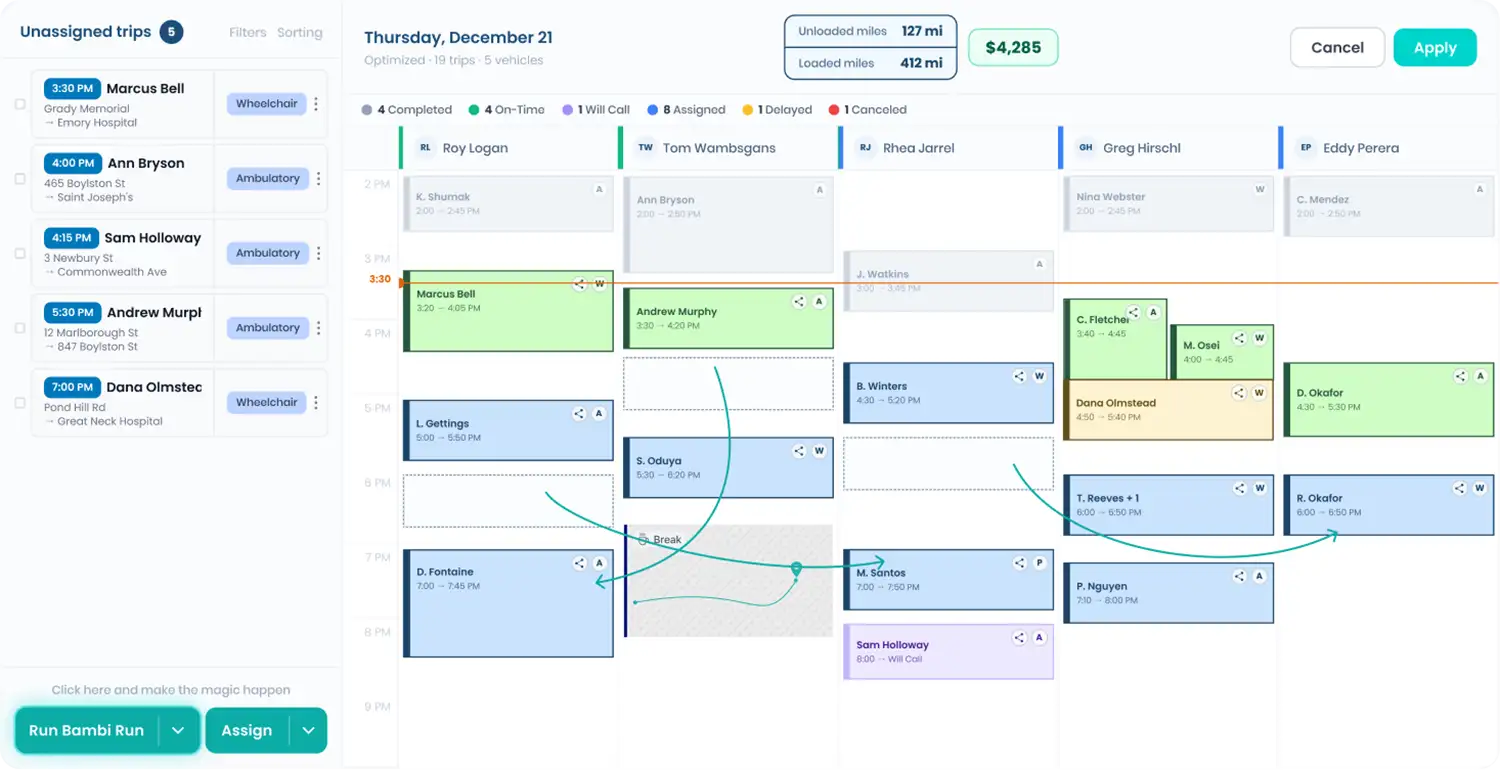
- Technology Integration: Use GPS tracking, real-time monitoring, and apps for vehicle inspections and route optimization to enhance safety and efficiency.
- Regular Evaluations: Conduct ongoing training, compliance checks, and vehicle inspections to maintain safety standards.
Quick Overview of Benefits:
- Reduced Accidents: Defensive driving and vehicle maintenance prevent breakdowns and collisions.
- Improved Passenger Care: Understanding passenger needs leads to better service and fewer conflicts.
- Regulatory Compliance: Avoid fines and lower insurance costs by adhering to safety standards.
- Higher Staff Retention: Well-trained employees feel confident and valued, reducing turnover.
Start building a safer NEMT workplace today by prioritizing training, technology, and consistent evaluations.
How to Recognize Warning Signs and Risk Factors
Training NEMT staff to identify potential hazards early is essential. A sharp eye for detail can mean the difference between a routine ride and a developing emergency, especially when transporting vulnerable individuals. Recognizing these signs is the first step toward effective intervention and maintaining safety.
Common Warning Signs in NEMT Settings
Beyond proactive training, staff need to be able to pick up on specific behavioral and environmental signals. For instance, warning signs of a potential crisis might include threats or attempts to harm, delusional behavior, extreme withdrawal, or instances of verbal or physical aggression. Spotting these behaviors early allows staff to act before the situation escalates.
Pay attention to passenger behavior. For example, a passenger who suddenly shifts from being talkative to unusually quiet, or someone showing signs of heightened agitation, could be signaling an underlying issue.
Physical factors, such as complaints about pain from limited mobility or the lingering effects of anesthesia, can also play a role in a passenger's distress. Environmental conditions, like bad weather or heavy traffic, can add another layer of stress and require staff to adapt their approach.
NEMT-Specific Risk Factors
The NEMT industry comes with its own set of challenges, creating risk factors that demand specialized training.
Drivers face risks like fatigue, inadequate training, distracted driving, and poorly maintained vehicles. These issues are especially concerning in operations where drivers handle long shifts and complex transport scenarios.
Passengers, often part of vulnerable populations, bring their own set of risks. Mobility limitations and specific medical needs can lead to unpredictable behavior or sudden medical emergencies, making it critical for drivers to understand these underlying causes.
Operational pressures also add to the risk. Tight schedules, frequent cancellations, and vehicle availability issues can strain safety protocols. External factors, such as traffic congestion and adverse weather, further complicate operations, reducing scheduling flexibility and increasing stress on both staff and passengers.
How to Handle Conflicts and De-escalate Situations
When conflicts occur, it's crucial for staff to address them safely and professionally. The unique demands of Non-Emergency Medical Transportation (NEMT) services call for team members to have specialized skills in conflict resolution and de-escalation.
Conflict Resolution Methods for NEMT Staff
To handle conflicts effectively, NEMT staff can rely on several proven strategies:
- Practice active listening: Pay close attention to passengers without interrupting. Ask clarifying questions to uncover the root of frustrations, whether it's discomfort, anxiety about an appointment, or a misunderstanding about the service.
- Show empathy and cultural awareness: Recognize and respect differences in communication styles and cultural backgrounds. This understanding helps prevent miscommunication and fosters smoother interactions.
- Follow a structured complaint protocol: Use a consistent process to acknowledge concerns, investigate issues, resolve problems, and follow up with passengers. This approach ensures professionalism and consistency, no matter the staff member's experience level.
- Focus on practical solutions: Shift the conversation toward resolving the issue, such as offering updated pickup times or explaining steps to avoid future delays, rather than lingering on the problem itself.
By mastering these methods, staff can lay the groundwork for effective de-escalation when tensions rise.
De-escalation Techniques and Best Practices
Building on conflict resolution, de-escalation techniques help ensure both safety and professionalism during tense situations.
- Use calm, clear communication: Speak in a steady, moderate tone using simple and direct language. Avoid technical jargon or company-specific terms that could confuse passengers.
- Maintain open body language: A relaxed posture, steady eye contact, and positioning yourself at the same level as seated passengers (when possible) can help create a less intimidating atmosphere.
- Provide physical space: When tensions escalate, creating some distance can help diffuse the situation. In a vehicle setting, this might mean adjusting seating arrangements or, if safe, stepping outside briefly during pick-up or drop-off.
- Invest in self-defense and de-escalation training: Equip drivers with the tools to protect themselves and their passengers. Training should cover both verbal techniques and appropriate physical safety measures.
The Safety Management System (SMS) approach integrates conflict resolution and de-escalation training into broader safety protocols. While SMS often includes physical measures like mirrors, signage, and security cameras, it emphasizes that the human element - staff training and response - remains the first line of defense.
Using Scenario-Based Training
Scenario-based training is an invaluable tool for preparing staff to handle real-world conflicts with confidence.
- Role-playing exercises: Regularly practicing realistic scenarios helps team members build resilience and develop the skills needed to manage conflicts effectively. These controlled settings allow staff to learn without the pressure of actual consequences.
- Focus on NEMT-specific situations: Training should include situations unique to NEMT operations, such as assisting passengers with cognitive impairments or addressing frustrations caused by scheduling issues.
- Reinforce skills through repetition: Consistent practice builds confidence and ensures staff can respond professionally under pressure.
Organizations like the Federal Transit Administration (FTA) offer resources to help the transit industry develop comprehensive de-escalation training programs. Additionally, groups such as the Community Transportation Association of America and Crisis Prevention Institute, Inc. provide specialized training in conflict management and nonviolent crisis intervention.
How to Implement and Practice Safety Protocols
Putting safety protocols into action and ensuring they’re followed consistently is a cornerstone of safe operations in Non-Emergency Medical Transportation (NEMT). Given the unique challenges NEMT providers face, these protocols are crucial for safeguarding both passengers and staff during daily operations.
Core Safety Protocols for NEMT Operations
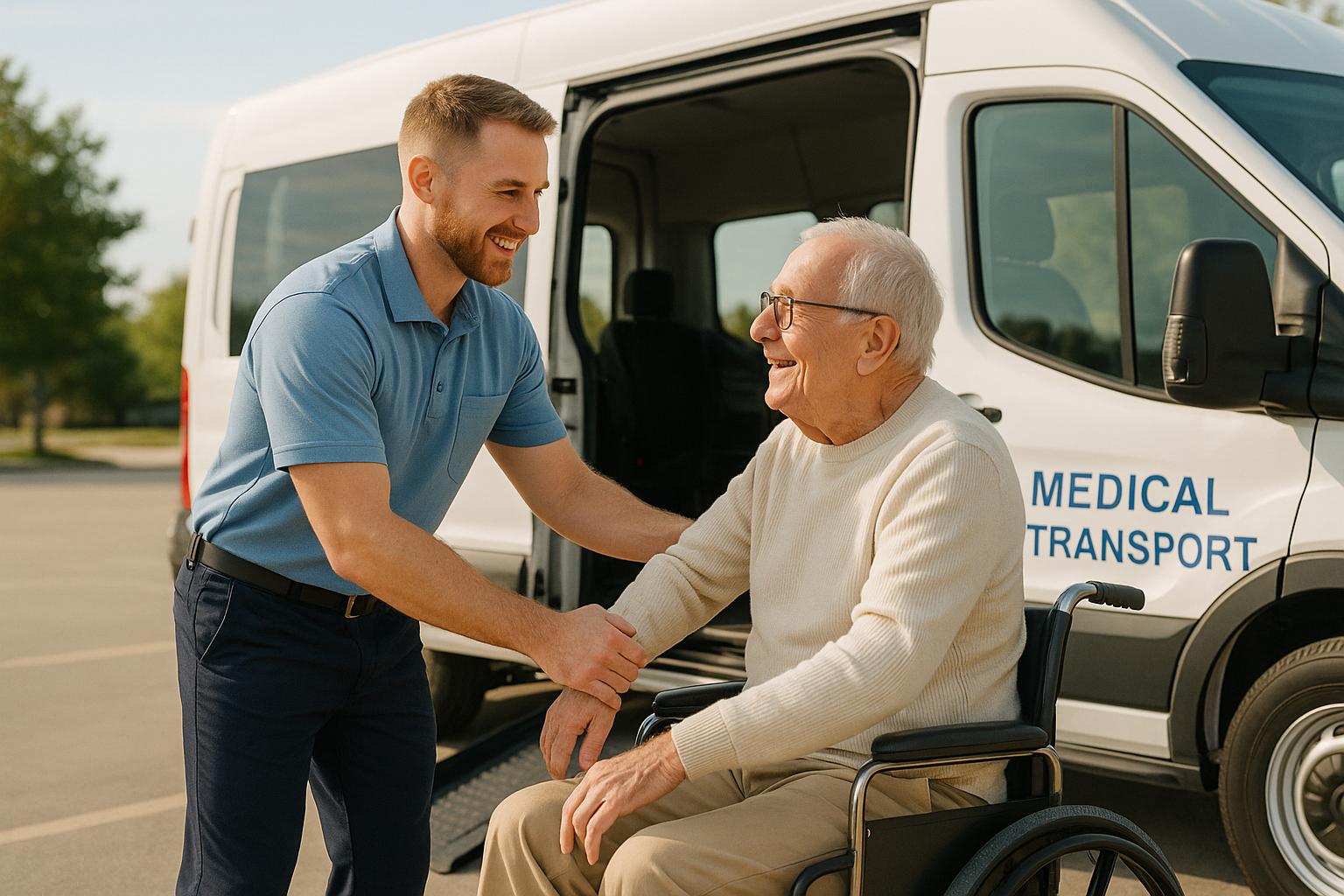
Safety in NEMT begins with mastering essential procedures. For instance, the proper use of wheelchair lifts and securement systems is critical. Drivers need to be well-versed in equipment weight limits, correct positioning methods, and contingency plans for equipment malfunctions.
Emergency preparedness is another key area. All drivers should undergo first aid and CPR training to handle medical emergencies that may arise during transit. This includes knowing how to recognize medical issues, contact emergency services, and provide interim assistance until help arrives.
Accident prevention is another focus. Defensive driving techniques and fatigue management are essential, especially in light of a 19% increase in traffic-related deaths between 2019 and 2022. These measures can help reduce risks on the road.
Routine vehicle inspections are equally important. Checks should include brakes, tires, lights, seat belts, and compliance with ADA standards to ensure both safety and accessibility before every shift .
"As NEMT providers, ensuring that drivers are adequately trained isn't just a regulatory mandate - it's a commitment to the patients who rely on these services for their critical medical needs." - Nygel Varghese
Communication protocols also play a vital role. Staff must be trained to handle passenger behavior issues or disputes that could escalate. Clear guidelines should outline when to contact dispatch, emergency services, or supervisors based on the severity of the situation. These protocols form the foundation for continuous training and evaluation, which we’ll explore next.
Regular Training and Compliance Checks
To ensure safety protocols are followed, continuous training and monitoring are essential. Regular refresher training sessions keep drivers updated on changes in traffic laws, medical guidelines, and new technologies. These sessions also improve morale and retention, which can save costs associated with hiring and training new employees.
Systematic evaluations are another layer of oversight. These should assess driving skills, patient feedback, emergency response readiness, and participation in training programs. This approach ensures that safety measures remain a priority rather than becoming routine tasks that might be overlooked.
Compliance checks are equally critical and should include detailed documentation. Clear policies for transportation records help ensure regulatory requirements are met. Providers should establish systems for verifying trip records and documenting service details.
The financial stakes are high - regulatory violations in the NEMT sector can result in fines ranging from $100 to $50,000. Regular monitoring can help catch potential issues before they lead to costly penalties.
Scheduled vehicle inspections and maintenance checks are non-negotiable. Detailed records of these efforts, along with staff training and incident reports, not only assist during audits but also help identify recurring issues that may point to training gaps.
Training Methods Comparison
Choosing the right training approach can strengthen the effectiveness of safety protocols. Each method has its own benefits and limitations, and understanding these can help organizations tailor their training programs to meet specific needs.
Training MethodAdvantagesLimitationsOptimal ApplicationsIn-Person WorkshopsHands-on practice with equipment, immediate feedback, team-building opportunities, scenario-based role-playingHigher costs, scheduling difficulties, requires physical space, limited flexibilityEquipment training, emergency drills, conflict resolutionOnline Training ModulesCost-effective, flexible schedules, consistent content delivery, easy progress trackingLimited hands-on practice, less engagement, no immediate clarification, potential tech barriersPolicy reviews, regulatory updates, basic safety concepts, refresher coursesHybrid ApproachCombines flexibility with hands-on learning, cost-efficient, accommodates various learning stylesRequires coordination, more complex to manageComprehensive programs, ongoing education, specialized skills
A good example is the Community Transportation Association of America (CTAA)’s Passenger Assistance, Safety and Sensitivity (PASS) driver training program, widely regarded as an industry standard. This program demonstrates how structured training can address multiple safety concerns simultaneously.
Technology can further enhance training effectiveness. NEMT software solutions, for example, can optimize routes, monitor vehicles in real time, and manage fleet maintenance, adding extra layers of safety and compliance support .
Finally, fostering an open workplace culture encourages transparency. When staff feel comfortable reporting concerns or suggesting improvements, it helps maintain high safety standards.
Using Technology and Resources for Training
Advancing from established safety protocols, technology has become a cornerstone in modernizing NEMT training. By integrating digital tools, providers can reinforce safety measures while streamlining staff training. These innovations not only improve safety practices but also reduce the administrative workload for NEMT providers.
Technology Tools for Training
Digital platforms like e-learning modules make training more flexible, allowing staff to learn at their own pace while ensuring consistent content delivery. These systems can track progress, assess understanding, and even issue certificates upon completion.
GPS tracking and real-time monitoring systems play a dual role in safety training. They help analyze driver behavior and demonstrate proper route selection and defensive driving techniques. These insights can highlight areas where specific drivers might need additional coaching.
In-vehicle cameras and surveillance systems also contribute to training by capturing real-time driver behavior. Some systems use AI to detect safety events and generate driver safety scores from multiple camera angles.
Mobile apps and digital checklists ensure thorough pre-trip inspections and real-time compliance tracking. A driver app can walk drivers through pre- and post-shift checklists and flag vehicles that need a mechanic's attention. These tools can also be built into scenario-based training exercises so drivers know how and when to use them.
AI-powered scheduling systems take training a step further by optimizing routes based on patient needs, vehicle safety, and road conditions. These tools teach dispatchers and drivers to consider multiple safety factors during trip planning, reducing risks before they occur.
Data collected through NEMT software provides valuable insights for ongoing training. By analyzing patterns related to passengers, vehicles, and drivers, companies can identify specific safety concerns and address them with targeted training. These digital tools not only simplify daily operations but also complement other training resources, such as the Bambi NEMT blog.
Bambi NEMT Blog as a Training Resource

In addition to digital tools, the Bambi NEMT blog serves as a valuable resource for enhancing training efforts. It offers actionable insights tailored to the needs of NEMT providers, covering topics like fleet management, driver training, compliance, and technology integration. The blog also highlights how AI-powered solutions can minimize human error and improve emergency responses, bridging the gap between training investments and improved safety outcomes.
"Integrating advanced scheduling software and real-time tracking systems has revolutionized how we operate. Our efficiency has improved dramatically, leading to better service for our clients."
– Alex Stoia, Corazon Concierge
Training coordinators can use the blog to inspire team discussions, develop case study exercises, and stay updated on industry trends that impact safety standards. The success stories and testimonials featured on the blog are especially useful, showcasing real-world examples of improved safety and efficiency.
"Bambi saves me about a whole days worth of time. Once I finished the dispatch I could go do other things and the system just does the work."
– Julian Ssemalulu, Owner of Bellshan Homecare
Key Takeaways
Here’s a concise look at the key strategies for improving workplace safety in the NEMT (Non-Emergency Medical Transportation) sector.
Summary of Workplace Safety Methods
Creating effective safety training programs requires a layered approach. Start by teaching employees how to spot warning signs and understand risks specific to NEMT. This includes recognizing behavioral cues, environmental hazards, and early signals of passenger distress to prevent incidents from escalating.
Incorporate scenario-based exercises to train staff in conflict resolution and de-escalation techniques. These practical exercises help employees build confidence for real-world situations.
Establish essential protocols like defensive driving, adherence to ADA guidelines, medical preparedness (such as first aid and CPR), and consistent vehicle maintenance. Technology can also play a big role - use tools like GPS tracking, mobile apps, and digital platforms for real-time monitoring and process improvement. These steps not only boost immediate safety but also support operational efficiency over time.
Long-Term Benefits of Safety Training
Beyond immediate safety improvements, comprehensive training has long-term advantages. For instance, consistent training helps lower accident rates, which can reduce insurance costs and improve overall efficiency.
Additionally, a strong focus on safety leads to higher job satisfaction and better employee retention. This is especially valuable considering the medical transportation market is projected to hit $42 billion by 2024. A well-trained workforce is more important than ever.
FAQs
What are the best ways to train NEMT staff to handle medical emergencies during transit?
Training NEMT staff to manage medical emergencies effectively is all about combining hands-on skills with solid preparation. Start by ensuring they have basic medical training, such as first aid and CPR, so they can act quickly and confidently in critical moments. Equally important is patient-centered training, which focuses on clear communication and the proper use of medical equipment to prioritize the well-being and comfort of passengers.
Incorporating emergency response drills into their training routine helps staff practice realistic scenarios, building their confidence and sharpening their ability to handle high-pressure situations. Clear and well-defined emergency protocols are also crucial, ensuring everyone knows how to communicate and respond during an incident. Hands-on workshops and realistic simulations can further strengthen their skills, preparing them to manage emergencies effectively while on the move.
How does technology improve safety and efficiency in NEMT operations?
Integrating technology into Non-Emergency Medical Transportation (NEMT) operations has the potential to make services safer and more efficient. Tools like GPS tracking and real-time route optimization allow drivers to choose smarter routes, cutting down on delays, fuel expenses, and even reducing the likelihood of accidents. These systems ensure patients reach their destinations on time while keeping daily operations seamless.
On top of that, AI-driven software can forecast service demands, enabling providers to allocate resources more effectively. This helps reduce missed appointments and ensures transportation is readily available when patients need it most, ultimately enhancing access to healthcare. By simplifying workflows and reinforcing safety measures, technology is transforming the way NEMT services operate, improving both reliability and patient care.
What key warning signs should NEMT staff watch for to ensure passenger safety during transport?
Recognizing Warning Signs During NEMT Transport
For Non-Emergency Medical Transportation (NEMT) staff, being able to spot early warning signs of potential issues is crucial for ensuring passenger safety. Here are some key indicators to watch out for:
- Behavioral changes: Confusion, agitation, or visible distress may hint at discomfort or an underlying medical issue.
- Physical symptoms: Signs like dizziness, excessive sweating, or nausea could suggest heat-related concerns or other health problems.
- Mobility challenges: Passengers struggling with wheelchairs or walkers may need extra assistance to move safely.
- Medical emergencies: Severe pain or difficulty breathing are red flags that require immediate action.
By staying alert to these signs, NEMT staff can respond quickly and provide the appropriate care, keeping passengers safe throughout their journey.