
In our whimsical world of care-tech, we're all about taking care of our non-emergency medical transportation (NEMT) service providers. Some of our customers are NEMTprenuers, of whom are just getting into the NEMT industry’s magic. At Bambi, we’ve been their guiding dears, offering know-how and tools to get started, from our easy to use fun-in-one, streamlined aiNEMT software to tips and tricks of setting up a NEMT business as new owners.
In this article, we’re going to hit — or rather prance along — the road and talk gear! Because having the right NEMT equipment is crucial in providing the ultimate quality and care for NEMT riders.
Here are the five essentials you'll need:
Vehicles: These are your trusty steeds for such heroic journeys! Whether you're rolling in a van, mini-bus or something larger than life, make sure it's spacious enough to accommodate all your passengers, their potential plus ones (like Bambi’s bestie, Thumper), including those with or in need of wheelchairs, walkers or stretchers.
Lifts and/or ramps: Be sure to equip your vehicles with these magical contraptions to ensure your passengers glide in and out with ease and grace; as many passengers requiring NEMT services rely on wheelchairs or walkers for mobility. These lifts and/or ramps should comply with accessibility standards to accommodate the varying and different types of wheelchairs.
Securement systems: Safety always comes first! To ensure the safety and comfort of passengers in wheelchairs during transit to their medical appointments, you'll need solid and trusting securement systems. These include wheelchair tie-downs and occupant restraints, such as lap and shoulder belts in order to keep the wheelchair and its occupant securely in place during the entirety of the journey.
Medical equipment and supplies: It’s necessary to be prepared for the unexpected bumps along the road. These medical supplies can include first aid kits, oxygen tanks, defibrillators and more to address any medical emergencies if and when they arise during a ride. Also necessary are various levels of equipment to move, position, and transport riders safely, especially more dependent folks with lack of mobility. These include wheelchairs, stretchers, stair climbers, and walkers. Each device can be critical for NEMT providers depending on rider needs and the pickup or drop off locations.
Communication technology: Be like Bambi and always be available to communicate! Effective communication is essential for coordinating pickups, drop-offs and responding to emergencies. It’s important to equip your NEMT vehicles with reliable communication systems, such as two-way radios or cellphones to stay in touch with dispatchers, other drivers and passengers.
All in all, by equipping your NEMT business with these essentials, you'll be ready to confidently embark on a journey filled with safety, reliability and comfortable transportation that comes with and a touch of magic.
And when you’re in need of the software that supports these essentials, do think about Bambi, because Bambi knows best!
Non-Emergency Medical Transportation (NEMT) services are pivotal in healthcare, providing essential transportation for individuals who require regular medical services but are not in immediate emergency situations. Managing an NEMT fleet effectively is critical to ensure both operational efficiency and high service reliability. This blog will explore several strategies for maximizing vehicle utilization within NEMT fleet management, leveraging insights and tools from one of the top players in the market—our sister company, Safe Travels Transportation.

High vehicle utilization is a key metric for NEMT businesses, reflecting the effective use of assets and directly impacting profitability. An optimized fleet reduces idle time, increases the number of trips made, and maximizes revenue potential. Achieving this requires precise management strategies and the right technological tools.

1. Advanced Scheduling Systems
Utilizing advanced scheduling software is fundamental. These systems can integrate appointment times, vehicle availability, and optimal routing to enhance service delivery. Safe Travels Transportation uses Bambi Fleet Management software, which features advanced scheduling capabilities that streamline operations and reduce vehicle downtime.
2. Regular Maintenance and Real-Time Vehicle Tracking
Keeping a fleet in optimal condition minimizes breakdowns and service interruptions. Implementing real-time GPS tracking through Bambi Fleet Management software also allows
managers to oversee fleet movements and respond swiftly to any operational challenges. This integration of maintenance and tracking ensures that the fleet operates smoothly and efficiently.
3. Data-Driven Operations
Collecting and analyzing operational data helps identify trends and areas for improvement. Bambi Fleet Management software excels in this area, providing analytics that help refine routing, scheduling, and driver performance. This approach ensures that decisions are based on solid data, leading to more efficient fleet utilization.
4. Route and Load Optimization
Maximizing each trip's efficiency by optimizing routes and loads is essential. Bambi's routing algorithms consider multiple variables, including traffic and distance, ensuring that vehicles are used efficiently and client satisfaction is maintained.
5. Driver Training and Engagement
Skilled and knowledgeable drivers are crucial for efficient fleet operation. Comprehensive training programs that emphasize safe driving techniques and customer service can significantly enhance overall fleet performance.
6. Strategic Partnerships
Collaborating with healthcare providers, insurance firms, and other stakeholders can provide consistent demand and operational stability. Safe Travels Transportation uses its network to maintain steady utilization across its fleet.
If you are considering joining the NEMT market, becoming a franchisee of Safe Travels Transportation offers a clear path to success. As a franchisee, you will receive full support in navigating all your fleet management needs. Our partnership with Bambi ensures that you have access to top-tier fleet management software and expertise, allowing you to focus on growing your business while we handle the complexities of fleet operations. Effectively managing an NEMT fleet involves several moving parts, from advanced technology implementation to strategic planning and continuous improvement. By adopting the strategies outlined above and utilizing Bambi Fleet Management software, NEMT providers can enhance their operational efficiency and service reliability. Safe Travels Transportation stands as a beacon in the industry, demonstrating how integrated management strategies and technological support can propel an NEMT business to success.
For those ready to take their NEMT operations to the next level, joining Safe Travels Transportation as a franchisee provides the tools, technology, and support necessary to excel. With us, you’re not just starting a business—you’re joining a team dedicated to safe, efficient, and reliable transportation.

We are focused on providing vital information about owning a profitable Non Emergency Medical Transportation (NEMT) company. Download our Free Ebook today!
Learn More: https://www.nemtconsulting.com/
Follow on Instagram: safetravels_consulting

Locally owned & operated Non-Emergency Medical Transportation (NEMT) company serving Palm Beach County, Florida.
Learn More: www.ridewithsafetravels.com
Safe Travels operates a franchise model into other US markets.
Become a Francisee: https://www.safetravelsfranchise.com/
Follow on Instagram: safetravels_transportation
As a care-tech company focused on supporting non-emergency medical transportation NEMT business owners, we have written a lot about NEMT in general. We’ve also delved into more synergistic topics like the light-filled meaning behind Komorebi and how we almost went with this name for our company before calling ourselves Bambi. We were attracted to the Komorebi allure of sunlight shedding through the trees and how that resonates with the hope we aim to bring to the NEMT industry and wider healthcare landscape, thus embodying our commitment to compassionate care.
However, upon realizing that Bambi also embodies this warmth of compassionate light and holds a poignant connection to the forest, the decision became clear. We chose to name our dear aiNEMT technology after this well-known empathetic Disney character, symbolizing its unwavering presence in helping to dispatch, dash and drive — dearly guiding our mission towards a brighter, healthier and more sustainable future.
Despite its critical role in the healthcare ecosystem, NEMT services have often lingered in the shadows, overshadowed by more prominent aspects of the healthcare system. And as the title of this article would allude to, here we plan to shed some of that Bambi light, letting you know about some lesser-known facts about the NEMT industry:
There to bridge access to healthcare: In the forest of healthcare, NEMT dances between the shadows and the light, ensuring that even those nestled in the shade can find their way to vital medical care. And just like Bambi navigates through the woods, NEMT services help those with mobility challenges or limited transportation access find their path to their healthcare providers. Think of NEMT as a gentle beam of light, bridging the gap between patients and the care they need, especially in the hidden corners of underserved communities.
In the thick of it with rules and regulations: In the tangled thicket of regulations, NEMT providers tiptoe their hooves around a labyrinth of rules at both federal and state levels. From ensuring drivers are as steady as Bambi's stride to meeting stringent vehicle standards, every aspect is often scrutinized. Patient eligibility and reimbursement procedures add another layer of complexity, like navigating through dense undergrowth. For NEMT providers, finding their way through this regulatory forest requires keen Bambi eyes, resilience and patience.
An overwhelming variety of providers: Just as Thumper and Flower were friendly sidekicks for Bambi, NEMT services are offered support by a diverse range of providers, including transportation companies, healthcare facilities, volunteer organizations, ride-sharing platforms and aiNEMT software like Bambi! Each has its own specialization and careful approach to supporting NEMT the providers themselves.
As the forest evolves, so do the needs of NEMT. Once reliant on phone calls and manual scheduling, NEMT providers now embrace the light that comes from the dawn of technology integration. Like Bambi exploring new trails, they navigate through the digital undergrowth with online platforms, mobile apps and GPS tracking systems. These advancements not only streamline booking and boost efficiency, but also sprinkle a touch of magic onto the patient and planet experience, guiding NEMT riders sustainably to their appointments with ease and grace.
It takes a village to support the forest of healthcare: In the heart of the forest, NEMT providers embody the spirit of community, going beyond mere transportation to offer a helping hoof with wheelchair assistance, language interpretation and even a friendly dear ear during transit. Just as Bambi found connection in the company of friends, these providers foster camaraderie within their communities. Some even venture further, joining in community outreach programs to spread the seeds of health education and awareness, nurturing a forest of well-being for all.
Containing the cost of care: While crucial for healthcare access, NEMT services can, unfortunately, sometimes cast a long shadow on the budgets of healthcare payers. Like Bambi always nimbly navigating through challenges, the NEMT industry strives to maintain lower and accessible costs while preserving quality and accessibility. This journey involves forging new trails with innovative payment models, fine-tuning routes and schedules and harnessing the power of technology to enhance efficiency. Through these little, yet big efforts, NEMT providers can do their best to ensure that every penny spent brings light and hope to those in need, guiding them to their appointments with care and compassion.
Prepared for the worst: NEMT providers are often integral to emergencies and disaster response efforts. Like Bambi rallying his friends in times of need, NEMT providers may be called upon to evacuate patients from healthcare facilities during emergencies or to transport individuals to medical facilities in disaster-affected areas. With their unwavering commitment, NEMT providers illuminate the darkest of moments with hope and reassurance, guiding communities through, sometimes, literal storms with compassion and care.
As you can see, in the vast landscape of healthcare services, exists the crucial yet often overlooked aspects of NEMT service providers. And as the sun rises on new initiatives, there's a growing recognition of its significance in ensuring this equitable access to care for millions. While it may continue to still operate quietly in the shadows, NEMT services impact is profound, serving as a lifeline and light for those navigating a forest of healthcare barriers.
So with each journey, NEMT providers become this guiding Bambi light, ensuring that no one gets lost, but instead finds their way to the care they need and oh so deserve.

Choosing a name for a product or service involves exploring various options before, ultimately, settling on what just feels fitting and right. With a software product in the realm of care-tech, our naming journey led us through serene woods of words to the familiar plains of childhood characters and memories — from the contemplative feeling which is, "Komorebi" to the endearing deer we all know and love, "Bambi."
Before delving into the realm of Disney magic for character names, as we've previously shared in our namesake story, we initially explored Komorebi. Its Japanese origin and poetic meaning, symbolizing the interplay of light filtering through the trees, perfectly captured the essence of our aiNEMT product — a calming, hopeful feeling we aimed to instill in all those who would literally cross paths with it.
We envisioned our customers, NEMT business owners and dispatchers, as well as their clients, feeling reassured and cared for through our technology. However, as we immersed ourselves further into the creative and decision-making process, we recognized the importance of a brand name with universal resonance and immediate recognition.
Then, with a spark of magic, Bambi came to mind. Instantly recognizable, this name conjures images of a beloved deer frolicking in the woods, a symbol of innocence and friendship. And despite its simplicity, Bambi carries profound emotional significance, reminding us of the power of nostalgia and shared human experiences.
What's interesting, though, are the synchronistic parallels between Komorebi and Bambi that run deeper than mere rhyming and phonetic similarity. Both evoke a distinct feeling — a sense of wonder, serenity and connection to nature. Komorebi itself is a feeling, a fleeting moment of beauty that transcends language barriers. Similarly, Bambi embodies a wide range of emotions, from joy and love to heartache and resilience.
Moreover, the literal intersection of these two words — much like two wooded trails crisscrossing in the forest — highlights their shared significance. Just as Komorebi describes the dance of light through the forest, Bambi prances through that light, symbolizing the inhabitants of the enchanted woods, navigating life's challenges with grace and determination. Like the flickering light of Komorebi, our dears, NEMT service providers illuminate the path forward, navigating the roads for those in need, offering comfort and support in times of uncertainty.
It’s important to note that our decision to embrace Bambi as the name for our care-tech software reflects not only our commitment to bridging the gap between technology and tangible empathy but also our dedication to customer service that keeps on giving. Bambi embodies not just friendly familiarity but a wheel of caring, where empathy for our customers and their clients drives every aspect of our service.
All in all, in naming our care-tech after this iconic character, we honor the spirit of resilience and compassion that defines our mission. And although we didn't end up going with Komorebi, it still rings true in our company’s culture. Because we know that both it and Bambi invoke similar feelings — the sense of belonging, of being part of something greater than ourselves.
We’ll always remember both words; how they inspired us and the emotions they stirred within us. For in the heart of every care-tech product lies a magical service and story waiting to be told and a flickering light keen to shine through.
In the heartwarming tale of Disney's Bambi, we experience not just the nimble adventures of a young deer, but also the essence of caregiving and support embodied by the beloved character. Bambi, with his quick and clever way of navigating not just the woods, but life, too, along with his compassionate nature, is a symbol of support for his friends in need.
Today, a similar form of assistance exists: non-emergency medical transportation (NEMT), and that’s what we’ll delve into here. Just like Bambi helped his friends on their journeys, NEMT serves as caregiving on wheels, ensuring individuals reach their destinations safely and soundly.
Side note: We couldn’t think of a better Disney character to name our caretech, but that namesake story’s already been written and you can find it here.
Because Bambi knows best, we’ll explore why we should care about NEMT and how it can make a meaningful difference in all of our dear lives.
NEMT, or non-emergency medical transportation, encompasses a range of services designed to transport individuals to medical appointments, treatments and other healthcare-related consultations. It caters to those who may have difficulty accessing traditional transportation due to mobility issues and disabilities alongside lack of access to public transportation or a loved one to drive dear Miss Daisy, doing her yet another favor. By providing specialized vehicles and trained staff, NEMT ensures that everyone has equal access to the dignified healthcare services they deserve.
Life is unpredictable, and health matters can pop out of the Bambi blue skies. That's where NEMT wheels in, just like Bambi, helping us navigate through the forest of healthcare with ease. Whether it's a routine check-up, a dialysis appointment or a visit to a specialist, NEMT ensures that we, just like our dear forest friends, can gracefully hop over transportation hurdles to get the care we need, when we need it.
You can think of NEMT services as having a caregiving companion by your side, ensuring comfort, safety and dignity throughout the entire journey. And NEMT providers mirror Bambi's dedication, going the extra mile to ensure passengers' well-being from pickup to drop off. They’re not only softies that care about caretech and careving, they’re trained up on how to care well, too.
Through real-life tales (not tails) and podcast (YouTube / Spotify), we hear firsthand from our dear customers how NEMT not only preserves independence but also brightens lives, much like the warm sunshine flickering through the trees in Bambi's forest.
Side note: Did you know this filtering of light has a feeling to it too? It’s called Komorebi. This actually might have been our name for our caretech company’s name. We must have a thing for forests and words that rhyme with Bambi.
Despite its importance, access to NEMT services may encounter barriers akin to thorny thickets in the woods like a lack of awareness of the industry, financial constraints and logistical challenges. But just as Bambi rallied his friends in times of trouble, it's imperative to advocate for policies and initiatives that break down these barriers, ensuring NEMT is accessible to all (even those in rural areas), regardless of circumstances.
By raising awareness and fostering collaboration in our communities, we can create a forest where everyone, just like Thumper and Flower (Bambi's friends), can move safely, cool and confidently towards better health. After all, in life's journey, we never know when we might need a helping hand, hoof or a caring ride along the way.

See the full interview on YouTube.
Please don't forget to subscribe and like NEMT Experts Podcast on YouTube.
Also, available to watch on Spotify
And listen (audio only) on your other favorite podcast platforms Apple and Pandora.
Bambi CEO Nirav Chheda talks with Tommy Green, Owner of Safe Travels Consulting, a NEMT business and brand with a strong digital marketing and online presence.
See the full interview on YouTube.
Please don't forget to subscribe and like NEMT Experts Podcast on YouTube.
Also, available to watch on Spotify
And listen (audio only) on your other favorite podcast platforms Apple and Pandora.
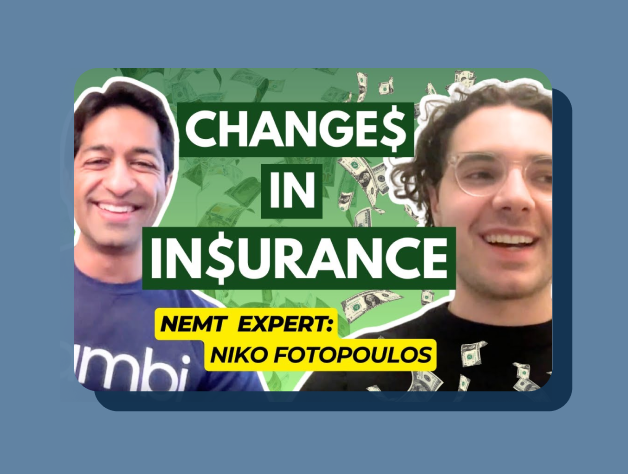
This interview with Niko Fotopoulos, the co-founder of Sparx, covers how NEMT businesses can navigate insurance challenges and lower costs. Here are the key takeaways:
See the full interview on YouTube.
Please don't forget to subscribe and like NEMT Experts Podcast on YouTube.
Also, available to watch on Spotify
And listen (audio only) on your other favorite podcast platforms Apple and Pandora.
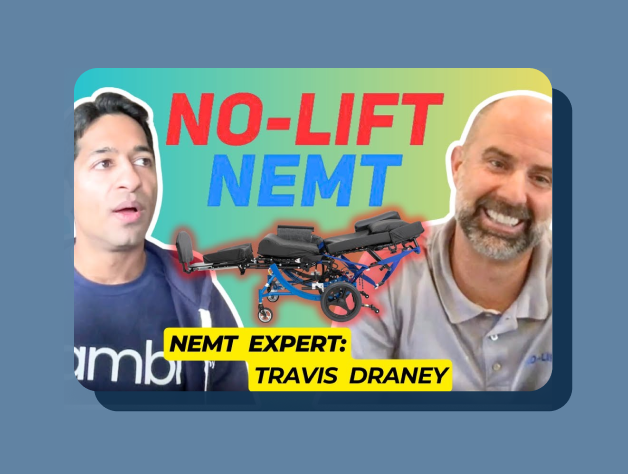
Bambi CEO Nirav Chheda talks with Travis Draney of No Lift NEMT. Travis has created an innovative service for NEMT including with a hybrid device between a wheelchair and a stretcher, allowing patients to be transferred safely without lifting. This allows for many NEMT trips that would normally require a gurney, and can often be completed with a single person. Travis discusses the safety benefits, how the system works, and why NEMT companies should consider adopting a similar strategy.
In the heartwarming tale of Disney's Bambi, we experience not just the nimble adventures of a young deer, but also the essence of caregiving and support embodied by the beloved character. Bambi, with his quick and clever way of navigating not just the woods, but life, too, along with his compassionate nature, is a symbol of support for his friends in need.
Today, a similar form of assistance exists: non-emergency medical transportation (NEMT), and that’s what we’ll delve into here. Just like Bambi helped his friends on their journeys, NEMT serves as caregiving on wheels, ensuring individuals reach their destinations safely and soundly.
Side note: We couldn’t think of a better Disney character to name our caretech, but that namesake story’s already been written and you can find it here.
Because Bambi knows best, we’ll explore why we should care about NEMT and how it can make a meaningful difference in all of our dear lives.
NEMT, or non-emergency medical transportation, encompasses a range of services designed to transport individuals to medical appointments, treatments and other healthcare-related consultations. It caters to those who may have difficulty accessing traditional transportation due to mobility issues and disabilities alongside lack of access to public transportation or a loved one to drive dear Miss Daisy, doing her yet another favor. By providing specialized vehicles and trained staff, NEMT ensures that everyone has equal access to the dignified healthcare services they deserve.
Life is unpredictable, and health matters can pop out of the Bambi blue skies. That's where NEMT wheels in, just like Bambi, helping us navigate through the forest of healthcare with ease. Whether it's a routine check-up, a dialysis appointment or a visit to a specialist, NEMT ensures that we, just like our dear forest friends, can gracefully hop over transportation hurdles to get the care we need, when we need it.
You can think of NEMT services as having a caregiving companion by your side, ensuring comfort, safety and dignity throughout the entire journey. And NEMT providers mirror Bambi's dedication, going the extra mile to ensure passengers' well-being from pickup to drop off. They’re not only softies that care about caretech and careving, they’re trained up on how to care well, too.
Through real-life tales (not tails) and podcast (YouTube / Spotify), we hear firsthand from our dear customers how NEMT not only preserves independence but also brightens lives, much like the warm sunshine flickering through the trees in Bambi's forest.
Side note: Did you know this filtering of light has a feeling to it too? It’s called Komorebi. This actually might have been our name for our caretech company’s name. We must have a thing for forests and words that rhyme with Bambi.
Despite its importance, access to NEMT services may encounter barriers akin to thorny thickets in the woods like a lack of awareness of the industry, financial constraints and logistical challenges. But just as Bambi rallied his friends in times of trouble, it's imperative to advocate for policies and initiatives that break down these barriers, ensuring NEMT is accessible to all (even those in rural areas), regardless of circumstances.
By raising awareness and fostering collaboration in our communities, we can create a forest where everyone, just like Thumper and Flower (Bambi's friends), can move safely, cool and confidently towards better health. After all, in life's journey, we never know when we might need a helping hand, hoof or a caring ride along the way.
