

NEMT software is critical for managing patient transportation but often falls short due to outdated systems, compliance risks, and integration issues. Providers face challenges like scheduling errors, data security concerns, and user resistance, which lead to inefficiencies and poor patient care.
Modern NEMT tools, like automated scheduling and self-service portals, can reduce no-show rates by up to 40% and improve efficiency. Investing in secure, easy-to-use software ensures better service and long-term growth.
NEMT providers often face recurring software challenges that disrupt operations and impact patient care. Let’s explore the key issues and how to address them effectively.
Many NEMT providers still rely on manual scheduling methods, such as pen-and-paper logs or basic spreadsheets. These older systems lead to inefficiencies, errors, and delays that can ripple through the entire operation.
Manual data entry is prone to mistakes like double-bookings, missed appointments, and poorly planned routes. Without real-time updates, dispatchers struggle to respond to delays or cancellations, leaving staff bogged down in administrative tasks instead of focusing on patient needs.
The solution? Transition to cloud-based platforms with integrated scheduling and dispatch features. Modern NEMT software prevents overbooking, provides real-time updates across devices, and includes GPS tracking for optimized route planning. Look for systems with automated fleet management, self-service booking portals, and direct communication tools for drivers and passengers. These features streamline operations and improve the overall experience for both staff and patients.
NEMT software deals with sensitive patient data, making data security and HIPAA compliance a top priority. Unfortunately, many providers struggle with weak encryption, inadequate access controls, and systems that fail to meet federal privacy standards. Data breaches in healthcare can result in hefty fines and long-term damage to a provider's reputation.
Common vulnerabilities include unencrypted data transmission, lack of multi-factor authentication, and insufficient access monitoring.
To address these issues, adopt platforms with strong encryption for data storage and transmission. Key features should include multi-factor authentication, role-based access controls to limit staff access, and audit trails to monitor system activity. Work with vendors that have proven expertise in healthcare data security and can provide compliance certifications. Regular third-party security audits, along with staff training on HIPAA requirements, are also crucial for maintaining a secure system.
While upgrading scheduling systems improves efficiency, integration issues can create new problems. Many NEMT providers face difficulties connecting their legacy systems - like billing tools, fleet management software, and HR platforms - with modern NEMT solutions. These compatibility issues often lead to data silos and workflow disruptions.
When systems don’t communicate effectively, staff may need to manually transfer data, increasing the risk of errors and doubling their workload.
To avoid these headaches, choose software with open APIs and flexible integration options. Prioritize solutions that enable seamless data sharing with your existing systems. Collaborate closely with your IT team and the software vendor to plan a phased integration. Start with non-critical systems to identify potential issues before rolling out full implementation. For example, Bambi actively works to integrate with major ride brokers and customizes connections based on provider needs.
Even the most advanced software can fail if it’s difficult to use. Complex interfaces and poorly designed systems often lead to staff frustration, resistance, and low adoption rates. Employees accustomed to manual processes may hesitate to switch, especially if the new system feels overwhelming or doesn’t clearly improve their workflow.
Resistance tends to stem from fear of change, inadequate training, or software that complicates rather than simplifies tasks. When employees don’t see the benefits or feel unsupported, they may revert to old methods, undermining the upgrade.
To overcome this, invest in user-friendly software with intuitive navigation and customizable dashboards that align with your team’s needs. Involve staff in the selection process so they can test options and provide feedback. Offer comprehensive training that highlights how the system will make their daily tasks easier, not just how it works. Provide ongoing support and designate internal champions who can assist colleagues during the transition. Sharing success stories and demonstrating efficiency gains can help maintain enthusiasm.
For many NEMT providers, high upfront costs and ongoing subscription fees are major hurdles. Smaller operations, in particular, may struggle to justify the expense, especially if the return on investment (ROI) isn’t immediately clear.
Some providers focus only on the initial price tag, overlooking the total cost of ownership, which includes training, integration, and long-term support. Others opt for cheaper solutions that lack critical features, leading to additional expenses later.
To make smarter financial decisions, consider the full picture. Calculate how much manual processes currently cost in terms of staff time, errors, and missed opportunities. Factor in potential savings from reduced no-shows, better route efficiency, and lower administrative overhead. Look for vendors offering scalable pricing models that grow with your business. Some providers offer tiered plans, allowing you to start with basic features and expand as needed. Request detailed ROI projections and references from providers of similar size to understand their real-world results.
Skipping upgrades can lead to hidden costs, including compliance risks, operational inefficiencies, and higher staff turnover. Addressing these challenges head-on ensures smoother operations and better patient care.
NEMT providers often face daily operational challenges that hinder staff productivity and patient satisfaction. Issues like manual data entry and outdated communication methods contribute to scheduling errors and billing mistakes, creating inefficiencies that ripple through the entire service process.
Take manual data entry, for instance. Dispatchers often spend hours inputting trip details, client information, and billing data into spreadsheets or paper-based systems. This approach not only eats up valuable time but also increases the likelihood of errors. Mistakes in scheduling or billing can lead to denied insurance claims, lost revenue, and compliance risks. On top of that, the labor costs associated with these manual processes cut into profit margins, diverting resources from more critical tasks.
Communication gaps make things even worse. Relying on phone calls or text messages for updates between dispatchers, drivers, and patients often results in delayed responses and missed information. Patients are left uninformed about trip statuses, and when drivers can’t quickly communicate delays or cancellations, the result is frustration and strained relationships.
The absence of real-time tracking compounds these problems. Without GPS tracking and automated updates, dispatchers are often in the dark about vehicle locations or trip progress until it’s too late to address an issue. This lack of visibility undermines service quality and leads to preventable disruptions.
Modern software solutions are changing the game by automating processes and improving communication. For example, automated SMS and app alerts keep patients informed about pickup times and schedule changes, which significantly reduces no-show rates. Real-time GPS tracking provides immediate updates on vehicle locations, traffic conditions, and estimated arrival times, helping dispatchers and drivers stay aligned.
AI-powered dynamic scheduling takes things a step further by analyzing trips and recommending optimal assignments. This minimizes the need for manual trip allocation, saving time and reducing errors. As one user, Julian from Bellshan Homecare, shared:
"How much time it saves me? It's like a day's worth of time. And sometimes once I make the dispatch the system just does the work, so I don't have to sit on the computer all day trying to see where the driver is."
– Julian, Bellshan Homecare
Self-service booking portals also play a big role in improving efficiency. These portals allow customers to schedule, track, and manage their rides on their own, reducing the administrative workload for dispatchers while giving patients greater control and visibility over their trips.
Integrating with NEMT brokers is another key improvement. By enabling direct data exchange with major ride brokers, providers can automate the import of trip requests, cutting down on manual data entry and speeding up the scheduling process. This reduces errors and allows dispatchers to focus on higher-value tasks.
Alex Stoia from Corazon Concierge highlighted the transformative impact of advanced scheduling and tracking systems:
"Integrating advanced scheduling software and real-time tracking systems has revolutionized how we operate. Our efficiency has improved dramatically, leading to better service for our clients."
– Alex Stoia, Corazon Concierge
To make the most of these tools, it’s essential to track performance metrics like on-time rates, no-show and cancellation rates, average response times, and data entry error frequency. Monitoring these metrics helps providers pinpoint bottlenecks and measure the effectiveness of operational changes.
Finally, successful implementation requires careful planning. Providers should select platforms that not only offer comprehensive automation features but also ensure HIPAA compliance with robust encryption and secure access controls. For more practical tips on integrating these systems, check out the Bambi NEMT blog (https://hibambi.com).
Here’s a breakdown of some common challenges in NEMT software, their impacts, and how modern solutions tackle these issues:
| Problem | Operational Impact | Solution | Expected Results |
|---|---|---|---|
| Outdated Scheduling & Dispatch Systems | Issues like double-booking, late pickups, inefficient routing, and wasted staff hours | Cloud-based platforms with AI-driven scheduling, automated notifications, and real-time GPS tracking | Fewer scheduling errors, better route efficiency, and significant time savings (up to a full day per dispatcher) |
| Data Security & HIPAA Compliance Issues | Risks of legal penalties, data breaches, and loss of patient trust | Secure encryption, access controls, regular audits, and HIPAA-compliant platforms | Stronger data security and reduced compliance risks |
| Integration & Compatibility Problems | Data silos, workflow disruptions, manual data re-entry, and billing delays | Open API software with broker integrations and strong customer support | Smoother data flow, automated trip processing, and lower administrative burden |
| Poor User Experience & Staff Resistance | Low adoption rates and higher training costs slowing digital adoption | Easy-to-use interfaces, thorough staff training, and involving users in software selection | Improved adoption rates, higher productivity, and shorter training periods |
| Cost & Budget Barriers | Limited adoption of technology, reliance on manual systems, and higher operational expenses | Scalable pricing options (e.g., $69/month/vehicle) and clear ROI analysis | Predictable costs with measurable efficiency improvements |
| Lack of Operational Visibility | Weak fleet management, billing errors, and difficulty tracking driver locations or trip progress | Real-time GPS tracking, centralized dashboards, and automated updates | Better fleet oversight, fewer billing disputes, and improved communication with customers |
| Fraud & Abuse Risks | Financial losses due to false claims, compliance violations, and reputation damage | GPS-verified trip records, fraud monitoring tools, and detailed audit trails | Reduced fraud, increased accountability, and stronger compliance documentation |
This table highlights the core issues and how modern solutions can address them effectively. These challenges not only disrupt daily operations but also hit revenue and service quality hard. For instance, late arrivals and no-shows are among the most frequent complaints from NEMT users, directly affecting both patient satisfaction and revenue streams. Manual scheduling systems often lead to drivers showing up at the wrong time - or not at all - which can compromise patient care.
The solutions outlined above, like real-time scheduling and GPS tracking, have been shown to significantly cut down on late arrivals and improve route efficiency. Providers who have adopted these advanced systems report noticeable improvements in operational efficiency and overall service quality.
A major takeaway here is the importance of choosing platforms that address multiple challenges at once. As highlighted by industry experts, including insights from the Bambi NEMT blog (https://hibambi.com), comprehensive platforms powered by AI can optimize dispatching, scheduling, compliance, and communication while improving efficiency and patient care.
When considering solutions, it’s smart to look beyond upfront costs. Platforms with transparent pricing structures and features like broker integrations and automated scheduling often deliver measurable time and cost savings, making the investment worthwhile.
Tapping into expert resources can turn operational hurdles into streamlined solutions. One great example is the Bambi NEMT blog (https://hibambi.com), a dedicated platform created to support NEMT providers. This blog doesn’t just identify common challenges - it offers actionable solutions tailored to the industry.
The blog dives into key areas like funding strategies, fleet management, driver training, and how technology can tackle persistent issues like routing inefficiencies and no-shows. By addressing these real-world problems, it connects directly to the operational challenges NEMT providers often face, offering practical advice that makes a tangible difference.
For those transitioning from manual processes to automated platforms, the blog provides step-by-step guidance. Topics like advanced integration testing and post-implementation monitoring are covered in detail, ensuring system stability after upgrades.
Managing change is another focus area, with strategies to help providers overcome staff resistance. Suggestions like involving team members in system selection and rolling out changes in phases can make the adoption process smoother.
Real-world success stories further illustrate the benefits of adopting modern technology. For example, providers who upgraded their systems reported fewer missed rides, quicker billing cycles, and happier drivers. One former NEMT driver shared their experience with the Bambi Driver App, noting how its user-friendly design reduced errors and boosted overall efficiency.
The emphasis on user-friendly technology is a recurring theme. Drivers frequently highlight how intuitive tools like the Bambi Driver App simplify their work compared to older, more cumbersome software. This shows how the right technology can actually reduce complexity instead of adding to it.
Beyond software, these resources keep providers informed about regulatory updates and best practices. Staying up-to-date on HIPAA compliance and other evolving standards is critical to avoiding penalties and maintaining smooth operations.
For those navigating the crowded landscape of technology options, expert guidance helps cut through marketing noise. The focus on AI-driven automation and scalable cloud-based platforms reflects the industry’s shift toward smarter, more adaptable solutions that grow alongside businesses.
The true value of these resources lies in their industry-specific expertise. Unlike generic business advice, they address the unique needs of NEMT operations, from broker integrations to GPS-verified trip records. This depth of knowledge is essential for providers looking to optimize their services.
Addressing common challenges in NEMT software can completely change how your operation runs. Moving from outdated, manual systems to automated, cloud-based platforms can cut no-show rates by up to 40% and reduce late pickups by 30%.
Failing to tackle these issues often leads to hidden labor costs, more frequent errors, and risks of noncompliance that can result in hefty fines and strained relationships with healthcare partners. On the other hand, investing in modern NEMT software usually pays off by lowering operational costs, minimizing missed appointments, and boosting overall efficiency.
Concerns from staff, such as resistance to new technology, tend to fade when providers choose user-friendly platforms and involve their teams early in the decision-making process. Many drivers who were initially hesitant about adopting new systems have found that intuitive technology actually makes their jobs easier, reducing both frustration and mistakes. This proves that the right tools simplify workflows instead of complicating them.
By upgrading to cloud-based, automated platforms, providers not only streamline their current operations but also set themselves up for long-term growth. Sticking with outdated systems, however, can hold back progress.
For expert advice and actionable insights, turn to resources like the Bambi NEMT blog. It’s packed with practical solutions, regulatory updates, and success stories tailored specifically to the NEMT industry - offering guidance that generic business advice simply can’t provide.
To meet HIPAA requirements and keep sensitive data secure, NEMT providers should rely on software equipped with strong security measures like encrypted communication, secure data storage, and role-based access controls. These tools are essential for protecting patient information and staying within regulatory guidelines.
Beyond choosing the right software, it's equally important to keep it updated, provide staff with training on data privacy best practices, and perform routine audits to spot and fix any weaknesses. Incorporating modern AI-driven tools can also streamline operations while ensuring compliance with HIPAA standards.
Switching from manual scheduling to cloud-based software in NEMT operations brings a range of benefits that can transform how businesses manage their daily tasks. These platforms streamline trip scheduling and fleet management by automating processes with advanced tools like AI, cutting down on human errors and saving valuable time.
This shift can boost efficiency, enabling businesses to manage more trips while using fewer resources. On top of that, many users find these platforms easy to navigate and appreciate the responsive customer support teams that help ensure a seamless transition. By adopting cloud-based systems, NEMT services can improve both operational workflows and the overall experience for their customers.
Implementing new software often comes with its share of challenges, especially when staff members resist the change. This hesitation usually stems from concerns about added workload or simply feeling unsure about how to use the new system. The key to overcoming this is clear and open communication. Highlight the benefits - like increased efficiency, streamlined scheduling, and fewer manual tasks - to help your team see the value it brings to their daily work.
Hands-on training and ongoing support play a crucial role in easing the transition. When employees feel equipped and supported, they're more likely to embrace the new tools. For instance, user-friendly platforms such as Bambi are built to simplify operations. With features like automated trip assignments and an intuitive interface, software like this can not only make adoption easier but also enhance the overall efficiency of your team's workflows.

Auditors evaluating Non-Emergency Medical Transportation (NEMT) providers focus heavily on documentation to ensure compliance with Medicaid and state regulations. Missing or incomplete records can lead to penalties, denied claims, or even exclusion from Medicaid programs. Here are the 5 key documents auditors typically request:
Key Takeaway: Accurate, organized, and up-to-date documentation is critical for passing audits. Digital tools can simplify compliance management, reduce errors, and ensure records are easily retrievable during audits. Missing any of these documents can result in fines, claim denials, or operational disruptions.
PCS forms play a key role in confirming the medical need for each Non-Emergency Medical Transportation (NEMT) trip. These forms document a licensed provider's assessment, ensuring that the service is medically justified. Without them, auditors may struggle to verify the legitimacy of claims, making PCS forms a critical piece of compliance.
Auditors often compare PCS forms with trip logs and billing records to uncover potential fraud or billing errors. These forms provide the medical justification required for Medicaid and Medicare reimbursements. Accuracy and completeness are non-negotiable when it comes to meeting compliance standards.
For a PCS form to meet compliance standards, it must include key details like the patient’s full name, Medicaid ID, date of birth, provider name and signature, certification date, a specific statement of medical necessity, and the type of transportation required (e.g., wheelchair van or stretcher). A 2023 DHCS audit revealed that over 30% of NEMT claim denials in California stemmed from missing or incomplete PCS forms. Common issues include unsigned forms, outdated information, incomplete patient details, and vague medical necessity statements that fail to justify the transportation type.
To avoid these pitfalls, the medical necessity section must be detailed. Generic phrases like "patient needs transportation" are not enough. Providers should clearly document the patient’s medical conditions, mobility challenges, or treatment needs that make professional medical transportation essential. Once the information is verified, organizing these forms systematically becomes equally important.
PCS forms should be updated annually or whenever a patient’s medical condition or transportation needs change significantly. Setting up an automated renewal reminder system can help ensure that documentation stays current, reducing the risk of compliance issues.
Conducting regular internal audits to review PCS forms can catch errors before external auditors do. For example, in 2023, Rhode Island’s NEMT program introduced quarterly quality review sessions that included random PCS form audits. This initiative led to a 22% drop in claim denials due to documentation errors within just six months.
Being audit-ready involves more than just accurate documentation. Federal Medicaid regulations, along with state-specific guidelines, require PCS forms to justify NEMT services. These forms should be retained for 5–7 years, depending on state laws, and updated regularly to meet state-specific requirements. Failure to comply can result in denied claims, repayment demands, or even legal consequences.
State requirements vary, adding another layer of complexity. Some states mandate periodic renewal or re-certification, while others require more detailed patient information. For instance, Oregon has recently tightened its PCS documentation rules, requiring more comprehensive patient details and frequent updates to certification status.
Additionally, HIPAA compliance is a critical factor. Mishandling PCS forms can lead to fines as high as $1.5 million annually. To avoid this, organizations must prioritize secure storage, controlled access, and proper disposal as part of their compliance strategy.
Trip documentation records serve as proof that every Non-Emergency Medical Transportation (NEMT) ride meets billing and regulatory standards. Auditors rely on these records to confirm that services were delivered as claimed, ensuring there’s no fraud while verifying that the transportation provided was medically necessary and properly authorized. This documentation not only safeguards patient safety but also ensures smoother audit processes by providing clear, verified evidence.
These records are especially important when auditors compare them with dispatch logs, billing records, and GPS data. Any inconsistencies can lead to deeper investigations, claim denials, or even financial penalties.
Auditors closely examine trip records for accuracy, consistency, and legibility. Common mistakes that can raise red flags during audits include missing or unreadable signatures, incomplete trip details (such as omitted pickup or drop-off times), mismatches between trip logs and billing records, and failure to document no-shows or cancellations properly. Errors like incorrect mileage reporting or missing documentation to support medical necessity are also frequently flagged.
Ensuring that documentation is completed in real time helps maintain authenticity and reduces the chances of errors or omissions.
Once the records are accurate, keeping them well-organized is key to simplifying audit reviews. Digital documentation systems have proven far more efficient than paper-based methods. For example, in 2024, the Oregon Health Authority required NEMT providers to submit detailed trip logs and patient data records for Coordinated Care Organizations (CCOs). Providers using digital systems in Oregon saw a 25% drop in claim denials. Regular internal audits also help minimize discrepancies.
"Bambi has been able to kind of streamline that whole process...it just takes me half the time, or probably even less than that, to get everything kind of squared away."
– Samuel Harris, On Time On Target Transportation
Modern software solutions offer automated GPS-based trip logs, ensuring accurate, timestamped records - even in areas with poor connectivity. These systems can capture offline GPS-stamped events, providing a complete picture and enabling providers to address potential issues before they escalate.
Providers must retain trip records for at least six years to meet federal and state audit standards. Some states or payers may require even longer retention periods, so it’s essential to confirm specific requirements. Records must also be safeguarded against loss, tampering, or unauthorized access. Failure to maintain proper documentation can result in serious consequences, including claim denials, payment recovery demands, financial penalties, suspension or termination from Medicaid programs, and damage to a provider’s reputation. In severe cases, providers could face legal action or even lose their licensure.
States are increasingly requiring detailed trip logs and comprehensive patient data, reflecting a broader push for transparency and accountability in NEMT operations. Regular staff training on documentation standards and updates to coding practices can further reduce errors and enhance compliance. These efforts not only support audit readiness but also align with the broader goal of maintaining high standards across NEMT services.
After patient and trip records, vehicle compliance documents are another critical piece of the puzzle when it comes to demonstrating operational safety. These records confirm that your fleet meets the safety standards set by federal, state, and Medicaid guidelines - an essential requirement for Non-Emergency Medical Transportation (NEMT) providers. Auditors closely examine these documents to ensure every vehicle in your fleet is properly registered, regularly inspected, and equipped with all mandatory safety features. Any gaps in this documentation can raise red flags.
The Department of Transportation (DOT) mandates annual inspections for all vehicles, and auditors will cross-check your fleet records against the vehicles in active service. Missing or incomplete documentation can lead to severe consequences, including compliance violations, service suspensions, or even contract termination.
To stay compliant, your vehicle files need to include several key documents: current registration, commercial auto insurance, inspection certificates, maintenance logs, and equipment checklists (like those for wheelchair securements, fire extinguishers, and first aid kits). These records must align with your active fleet.
Common issues that auditors flag include expired inspection certificates, missing insurance papers, incomplete maintenance logs, and lack of proof for safety equipment. Vehicles that aren’t properly registered or haven’t undergone required safety checks can jeopardize compliance and, more importantly, patient safety.
In 2024, the Oregon Health Authority introduced stricter NEMT compliance rules, requiring providers serving Coordinated Care Organizations (CCOs) to maintain more detailed safety logs and inspection records. Providers who failed to meet these updated standards during audits faced corrective actions, and in some cases, temporary suspension of their service contracts.
Managing vehicle compliance has become much more efficient with the use of digital record-keeping systems. For instance, a California-based provider utilized a digital platform to track inspections, insurance renewals, and maintenance logs. This system allowed them to instantly pull up accurate and up-to-date records during a Medicaid audit, ensuring a smooth review process.
| Inspection Type | Frequency | Documentation Required | Retention Period |
|---|---|---|---|
| Comprehensive Safety Check | Annual | Full inspection report | 3 years |
| Post-Repair Inspection | After major repairs | Repair documentation & safety verification | 3 years |
| Routine Maintenance | Quarterly | Service records & maintenance logs | 3 years |
DOT guidelines require that vehicle inspection records be kept for at least three years, though some states may demand longer retention periods. To stay audit-ready, it's crucial to review and update records quarterly, especially after inspections, maintenance work, or regulatory changes. Conducting internal audits before external ones can help catch and fix any gaps early.
For example, Rhode Island’s NEMT program conducts bi-monthly oversight meetings and quarterly quality review sessions, which include spot checks of vehicle compliance and inspection records. Providers who consistently maintain accurate and complete documentation have avoided penalties and ensured uninterrupted Medicaid contracts. Across the board, states are emphasizing real-time documentation and more detailed compliance measures.
Driver credentials and training records play a critical role in passing a Non-Emergency Medical Transportation (NEMT) compliance audit. These records are often under intense scrutiny because they ensure that drivers meet the necessary federal, state, and Medicaid standards for safely transporting patients who may be vulnerable. The Non-Emergency Medical Transportation Accreditation Commission (NEMTAC) has raised the bar with its emphasis on standardized driver education and data-driven compliance, signaling a move toward stricter industry expectations.
The stakes are high. For example, violations under HIPAA due to improper training or missing documentation can lead to penalties of up to $1.5 million annually. Auditors don’t just check if the paperwork exists - they verify that drivers hold the proper credentials to handle medical transport responsibilities while safeguarding patient confidentiality. Below, we break down the specific documentation required to meet compliance standards.
Every driver’s file must demonstrate their qualifications and compliance with current standards. Essential documents typically include:
These records must not only be accurate but also kept up-to-date to avoid compliance violations. For instance, driver’s licenses need to remain valid, background checks often require annual updates, and certifications like CPR and First Aid frequently need renewal every one to two years. Missing or outdated documentation can lead to significant compliance issues. Some states, such as Rhode Island, implement regular oversight meetings and quarterly reviews to maintain documentation accuracy.
| Required Document | Validity | Retention Period | Notes |
|---|---|---|---|
| Driver's License | Must remain valid | 3+ years | Must comply with state-specific requirements |
| Background Check | Annual or as needed | 3+ years | Includes both criminal and driving history |
| Drug/Alcohol Screening | Pre-employment & random | 3+ years | Frequency varies by state |
| CPR/First Aid Certification | Annual or biannual | 3+ years | Must be current |
| PASS Certification | Annual | 3+ years | Passenger Assistance Safety & Sensitivity |
| HIPAA Training Certificate | Annual | 3+ years | Proof of privacy compliance |
Having accurate records is only part of the equation - quick and efficient access to these documents is equally important. Platforms like Bambi streamline this process by digitally storing and organizing driver files, setting automated alerts for expiring credentials, and tracking training completions. These systems can also schedule refresher courses, ensuring no deadlines are missed.
Best practices for organizing documentation include using standardized naming conventions, secure cloud-based storage for easy access and backups, and automated reminders to flag upcoming renewals. These tools significantly reduce administrative stress, minimize errors, and ensure that records are readily available during audits. Automated systems that notify you weeks in advance of impending expirations can save you from last-minute scrambling.
To comply with federal, state, and Medicaid regulations, NEMT providers must ensure their drivers meet specific criteria. This includes valid driver’s licenses, clean driving records, thorough background checks, drug testing, and certifications for key training programs like CPR, First Aid, and passenger assistance. Drivers must also complete training on HIPAA and ADA requirements to maintain patient safety and privacy. Falling short of these requirements can result in hefty fines, loss of contracts, or exclusion from Medicaid programs.
Providers are generally expected to retain driver and training documentation for at least three years, though some states or payers may require longer retention periods. To stay prepared for audits, experts suggest conducting monthly internal reviews of driver files to confirm that all credentials and training records are up to date.
Establish clear documentation policies, keep staff informed of regulatory changes, and utilize digital compliance tools to avoid potential issues. Regular internal audits can help identify and address problems early, ensuring your processes hold up under scrutiny during formal audits.
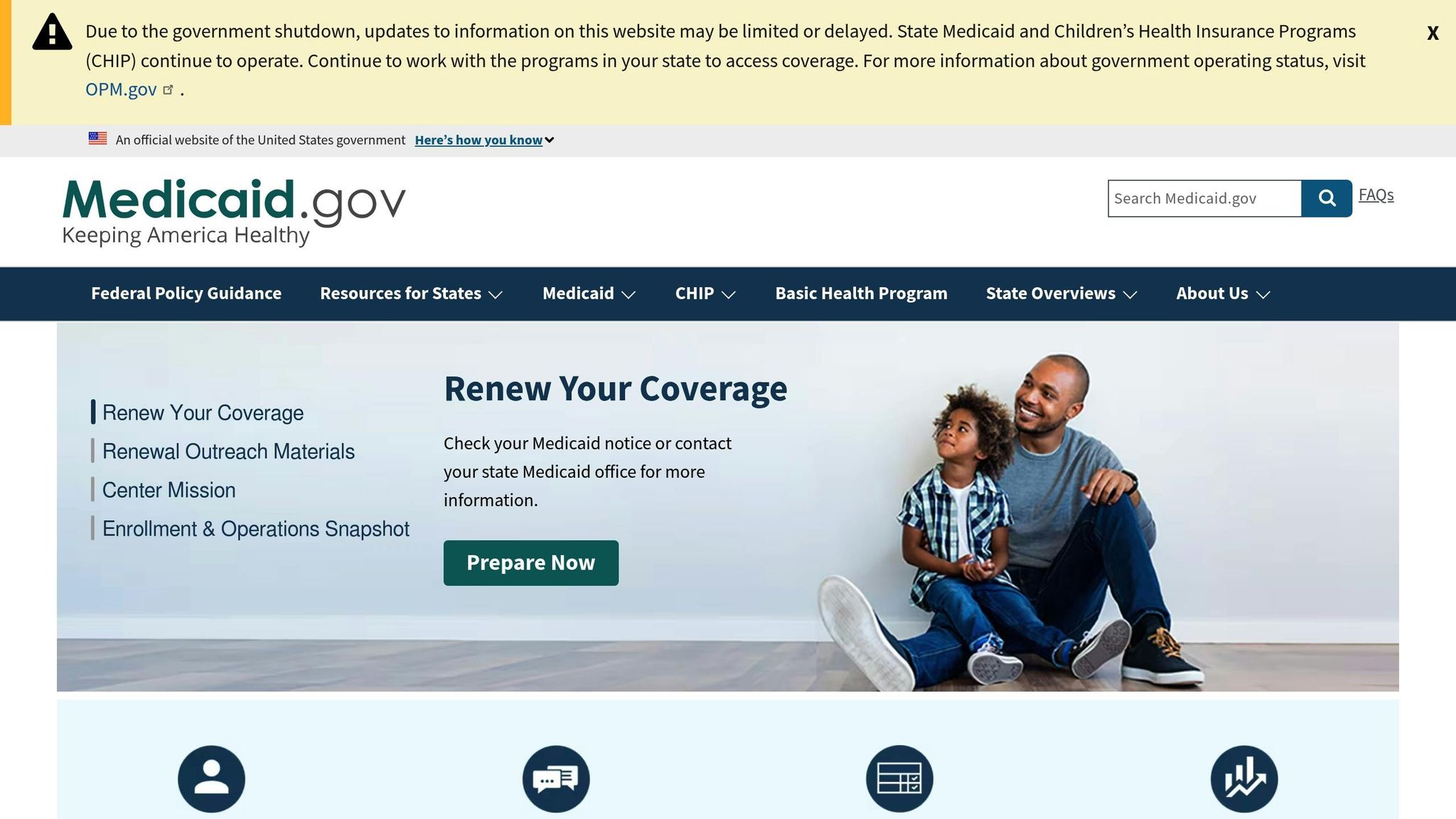
Having valid business licenses and Medicaid enrollment certificates is a must for running a legally authorized NEMT operation and billing Medicaid. These documents are among the first things auditors will ask for to confirm your compliance with state and federal regulations. If your licenses or certificates are missing or expired, you could face fines, service suspension, or even termination. Double-check that all the information on these documents is accurate and up to date to avoid unnecessary issues.
When it comes to licensing and Medicaid documentation, precision matters. Auditors expect these documents to be current and free of errors. This includes having updated state and local business licenses, NEMT provider licenses (if required), Medicaid enrollment certificates, and validated NPI/EIN documentation.
Common problems include expired licenses, mismatched business names or addresses, outdated Medicaid enrollment records, and delays in updating documents after changes in your business. Even small mistakes, like unsigned certificates, can lead to corrective actions or disqualification.
| Document Type | Typical Renewal Period | Risk Level if Missing |
|---|---|---|
| Business License | Annual/Biennial | High (service suspension) |
| Medicaid Enrollment Certificate | Varies by state | High (billing denial) |
| State NEMT Provider License | Annual | High (operational shutdown) |
| NPI Documentation | No expiration | Medium (billing complications) |
Keeping your licenses and certificates organized doesn’t have to be a hassle. A centralized digital storage system can simplify management and retrieval. Cloud-based platforms with secure, role-based access allow for quick access to documents, automated renewal reminders, and reliable backups.
For example, tools like Bambi's AI-powered compliance management system can digitize and securely store your records, send alerts for upcoming renewals, and make it easy to retrieve documents during audits. Assigning a dedicated staff member to oversee compliance tracking can further ensure everything stays in order.
Being prepared for audits means understanding that licensing and Medicaid enrollment requirements can vary by state. Some states might ask for additional permits on top of a standard business license, or require periodic revalidation of Medicaid enrollment.
To stay audit-ready, conduct regular internal reviews - monthly checks are a good practice - to ensure all documentation is accurate and complete. Automated renewal alerts can also help avoid missed deadlines. Remember, NEMT providers are typically required to keep business and Medicaid-related records for at least three years.
Failing to maintain proper documentation can lead to serious consequences, such as service suspension, contract termination, or hefty fines. In some cases, improper documentation practices could even result in HIPAA penalties of up to $1.5 million annually.
To avoid these risks, make it a habit to review and update all licenses and certificates regularly. Ensure that business names, addresses, and NPI numbers are consistent across all documents, and stay on top of any regulatory changes in your state that could impact your compliance requirements.
Preparing for an audit doesn’t have to feel overwhelming. The secret lies in having a clear, systematic approach that makes locating and presenting documents quick and straightforward. When auditors show up, you want to be able to access any record in minutes - not hours. By embracing organized digital systems, you can streamline your audit preparation process and avoid unnecessary stress.
Why digital systems are the way to go: Paper records can easily go missing, become outdated, or be incomplete, which can turn audits into a logistical nightmare. Imagine an auditor requesting all trip records from six months ago - would you rather sift through stacks of paper in filing cabinets or simply type a search query into a digital database?
More and more NEMT providers are ditching traditional filing systems, and it’s easy to see why. Digital platforms offer benefits paper simply can’t match, like secure backups, searchable archives, and automated tracking. Cloud-based systems, for instance, allow role-based access, so your compliance officer can retrieve the necessary documents while still maintaining strict security.
Digital tools also centralize critical documents. For example, digital credential wallets store driver certifications, licenses, and training records in one secure location. Instead of managing individual paper certificates, everything is digitized, and you can rely on automatic alerts for expiration dates to stay ahead of compliance deadlines.
Speaking of deadlines, automated expiry tracking tools are a game-changer. The Department of Transportation mandates annual vehicle inspections and post-repair checks. Relying on manual systems to track these dates can lead to errors, but digital platforms send reminders well in advance, reducing the risk of missed deadlines.
Another helpful feature is exception reporting, which flags missing or outdated documents before they become a problem during audits. Monthly exception reports can highlight gaps, like expired certifications or incomplete trip records, giving you time to address issues proactively.
Understanding document retention policies is another critical aspect of audit readiness. Digital systems simplify this by archiving older records automatically while still keeping them searchable and accessible. For example, the Oregon Health Authority now requires more detailed trip logs and patient data records, reflecting a trend toward stricter documentation standards. A well-organized digital system allows you to adapt to these evolving requirements seamlessly.
Security is non-negotiable, especially when dealing with sensitive information. HIPAA violations can result in fines of up to $1.5 million annually. Digital systems help you meet these standards by incorporating encryption, access controls, and audit logs - all while making document retrieval faster and easier.
One of the best ways to prepare for audits is by conducting regular internal reviews. Monthly or quarterly audits are now standard practice for many organizations, helping to identify and resolve compliance issues before external auditors step in.
Alex Stoia from Corazon Concierge shared how digital tools transformed their operations:
"Integrating advanced scheduling software and real-time tracking systems has revolutionized how we operate. Our efficiency has improved dramatically, leading to better service for our clients."
To build an effective system, choose a platform that can handle multiple compliance needs at once. Look for one that consolidates trip documentation, vehicle inspections, driver credentials, and business licenses into a single platform. This way, you’ll have all your bases covered, from trip logs to certifications.
Don’t overlook staff training - it’s just as important as the system itself. Ensure everyone who handles documents knows how to use the system effectively. Regular training sessions can prepare your team to retrieve information quickly, even in the absence of key personnel. By combining the right tools with a well-trained team, you’ll be ready for any audit that comes your way.
Switching from manual compliance methods to AI-powered platforms has revolutionized how Non-Emergency Medical Transportation (NEMT) providers handle their operations. Paper-based systems often lead to misplaced documents and costly mistakes, whereas modern tech solutions ensure everything is organized and audit-ready.
Automation plays a crucial role in keeping up with ever-changing regulations. For instance, by 2025, federal updates will require prior authorization, faster review times, and specific retention rules for critical records. Keeping track of these changes manually can be overwhelming. In contrast, AI-powered platforms automatically generate and organize the needed documentation, making audits smoother and less prone to errors.
Take Bambi's AI-powered platform as an example. It simplifies compliance by consolidating five essential audit documents into a single, searchable system. Instead of rummaging through physical files during an audit, providers can instantly access Physician Certification Statements, trip records, vehicle inspections, driver credentials, and business licenses through automated workflows. It’s a game-changer for NEMT providers.
These platforms also excel in security. With encrypted storage, access controls, and detailed audit trails logging every action - whether it’s accessing, modifying, or deleting a document - they ensure the transparency auditors demand. Real-time monitoring adds another layer of oversight, keeping compliance airtight.
Another advantage? Real-time compliance monitoring. Unlike manual systems that might let certifications expire unnoticed, AI platforms send timely alerts and automatically archive older records while keeping them accessible for future reference. This proactive approach eliminates surprises during audits.
Claim rejections, a persistent issue in the industry, are also addressed. By integrating real-time eligibility checks and payer database verification, these platforms help reduce rejection rates significantly.
For further insights, the Bambi NEMT blog shares real-world success stories and practical tips on using AI-driven solutions to stay audit-ready. These resources showcase how providers have streamlined their operations and improved compliance management with technology.
Adopting AI-powered platforms doesn’t have to be overwhelming. Providers can start with phased rollouts, digitizing key documents while maintaining their current processes during the transition.
Here’s a quick comparison of manual versus AI-driven compliance management to illustrate the benefits:
| Feature | Manual Compliance Management | AI-Powered Platforms |
|---|---|---|
| Document Storage | Paper/Excel files | Secure, cloud-based, searchable |
| Audit Preparation | Time-consuming, error-prone | Automated, real-time reports |
| Regulatory Updates | Manual tracking | Automated alerts and checklists |
| Data Security | Variable, risk of breaches | HIPAA-compliant, encrypted |
Investing in compliance technology pays off in more ways than one. Providers report streamlined operations, less administrative hassle, and greater peace of mind during audits. When the next audit comes around, you’ll have everything you need at your fingertips, supported by the efficiency and security of modern AI-powered systems.
Thorough documentation is the bedrock of success in Non-Emergency Medical Transportation (NEMT). The five key documents we’ve discussed - Physician Certification Statement forms, trip documentation records, vehicle inspection logs, driver credentials, and business licenses with Medicaid enrollment certificates - are essential for staying prepared for audits.
Lapses in documentation can have serious consequences, including claim denials, payment recoveries, or even exclusion from Medicaid programs. Missing trip logs, incomplete PCS forms, or absent driver training records make it impossible for auditors to verify medical necessity, often leading to penalties, fines, or operational disruptions.
The stakes are high. HIPAA violations alone can result in fines of up to $1.5 million annually, and documentation requirements are becoming stricter across the board. Cutting corners simply isn’t an option.
To steer clear of these risks, providers must act proactively. Regular internal audits, consistent staff training on documentation standards, and staying updated on regulatory changes are critical steps. If deficiencies are identified, it’s vital to implement a corrective action plan that addresses the issues, retrains employees, and revises policies to prevent future problems.
Finally, remember to retain driver and vehicle records for at least three years and trip records for six years to comply with regulations. This level of organization requires a systematic approach and often benefits from digital tools to ensure everything is properly managed over the long term.
Not having complete and accurate Physician Certification Statement (PCS) forms during an audit can spell trouble for your NEMT business. Missing or incorrect forms can lead to compliance violations, which might result in penalties, fines, or even the suspension of your operating license. Beyond the financial and legal risks, it can also harm your reputation with both regulators and your clients.
To steer clear of these problems, make sure PCS forms are filled out correctly, signed by the appropriate medical professionals, and securely stored for quick access during audits. This not only keeps your business compliant but also shows your dedication to delivering dependable and professional services.
To keep trip documentation audit-ready and in line with state and federal regulations, NEMT providers need to prioritize maintaining accurate, complete, and well-organized records. This includes essential documents like trip logs, driver certifications, vehicle inspection reports, and detailed patient transport information. Regularly updating these records and verifying them against compliance standards is a must.
Leveraging tools such as AI-powered software can make the process more manageable by simplifying documentation, scheduling, and compliance tracking. Additionally, providing ongoing training for staff on effective record-keeping practices and staying updated on regulatory changes are crucial steps to prevent compliance issues during audits.
To keep vehicle compliance and inspection records current, it's essential for NEMT providers to set up a consistent schedule for inspections and updating documentation. Make sure all vehicles receive routine maintenance, and maintain thorough records of inspections, repairs, and certifications in a centralized system that’s easy to access. Always verify expiration dates for licenses, insurance, and permits to ensure timely renewals.
Leveraging technology, like AI-driven tools, can make managing these records much easier. These tools can automate reminders for upcoming deadlines and help organize compliance-related documents efficiently. Taking these proactive measures can help prevent service interruptions and keep operations running smoothly.

When it comes to NEMT (Non-Emergency Medical Transportation) billing, understanding the difference between claim denials and rejections is critical for maintaining cash flow and reducing administrative headaches. Here's the key takeaway:
Key Stats:
To minimize these issues:
For NEMT providers, knowing the difference between claim denials and rejections is key to tackling billing challenges. While both stop payments from coming through, they occur at different points in the claims process and require distinct solutions. Here's a closer look at what sets them apart and how they impact operations.
Claim denials happen after a claim has gone through the payer's full review and adjudication process. Once submitted, the claim gets a number and is carefully examined. If the payer decides not to pay - often due to issues like missing authorizations, incorrect coding, or incomplete documentation (e.g., no proof of medical necessity) - the claim is denied.
When this happens, you'll receive a detailed explanation of the denial, typically through an Explanation of Benefits (EOB) for paper claims or an Electronic Remittance Advice (ERA) for electronic ones. These documents include specific codes and reasons, giving you a roadmap for next steps, such as filing an appeal.
The financial stakes with denials are high. Industry stats show that up to 20% of medical claims are denied or rejected on their first try. If an appeal fails, the costs may fall on the provider, leading to unpaid care expenses.
Claim rejections, on the other hand, occur earlier in the process - before the claim even reaches the payer's adjudication stage. These happen when errors prevent the claim from being accepted into the system, meaning no claim number is ever assigned.
Rejections are usually caused by administrative slip-ups. Common examples include missing patient details (like insurance ID numbers or birthdates), file formatting problems, or provider errors (such as an incorrect National Provider Identifier). These issues are flagged at the clearinghouse level, stopping the claim before it gets to the payer.
The good news? Rejections are often easier and quicker to fix. Since they stem from data entry mistakes or missing info, you can correct these problems and resubmit the claim. However, until you address the errors, payment will be delayed.
| Feature | Claim Denials | Claim Rejections |
|---|---|---|
| Process Stage | After processing and adjudication | Before processing begins |
| Claim Number | Yes, assigned by the payer | No, never assigned |
| Common Causes | Authorization issues, incorrect coding, missing documentation | Data entry errors, missing info, formatting issues |
| Resolution Method | Requires appeals or corrected claims | Fix errors and resubmit |
| Financial Impact | Can mean unpaid care if appeals fail | Delays payment until corrected |
| Documentation Provided | Detailed EOB/ERA with codes | Error messages, no formal EOB/ERA |
| Average Rework Cost | Around $25 per claim in admin expenses | Lower, mainly time spent on corrections |
Avoiding these issues starts with strong claim preparation. Up next, we'll dive into the typical causes behind denials and rejections.
Understanding the reasons behind claim denials and rejections is key to resolving them quickly and reducing payment delays. While both result in delays, the underlying causes are quite different. Let’s dive into the most frequent reasons for each.
One of the top reasons for denials is Missing Pre-Authorization. Many NEMT trips require pre-authorization to ensure they meet the payer’s coverage guidelines. Failing to obtain or properly document this approval often leads to claims being denied.
Another major issue is Insufficient or Incorrect Documentation. Claims are denied when documentation is incomplete or inconsistent. For example, if a trip report shows pickup times that don’t match the billing information or lacks evidence tying the transport to a medical appointment, the claim gets denied.
Invalid CPT/HCPCS Codes also cause denials. Using outdated, incorrect, or non-covered codes can result in automatic denials. For instance, billing for wheelchair transport when the patient actually walked is a common mistake. Claims are also denied if the codes don’t align with the patient’s specific insurance plan.
Patient Ineligibility is another common factor. Whether due to expired insurance, non-enrollment, or coverage exclusions, claims for ineligible patients are denied - even if the service was necessary and properly documented. This can leave providers with uncompensated care.
Industry estimates suggest that up to 65% of NEMT claim denials could be avoided with better preparation and processes. Other contributing factors include services not covered under a patient’s plan or claims exceeding policy limits. Providers must stay informed about each payer’s specific requirements to minimize these issues.
While denials often involve complex issues like authorization and documentation, rejections are usually tied to errors in the claim submission process.
Incorrect or Incomplete Provider and Patient Information is a leading cause of claim rejections. Simple data entry errors - like misspelled names, incorrect dates of birth, or invalid insurance numbers - can cause claims to be rejected immediately if they don’t match the insurer’s records.
Formatting Issues and Missing Required Fields are another common problem. Claims submitted with non-conforming file formats or missing mandatory information - such as patient demographics, authorization numbers, or referring physician details - are automatically rejected. Each payer has specific requirements, and leaving any required field empty triggers an instant rejection.
It’s estimated that 25–30% of initial claim submissions are rejected due to administrative errors. Fortunately, rejections are usually easier to fix compared to denials. They often just require correcting the data and resubmitting the claim.
The key difference lies in how these issues are resolved. Rejections are typically quick fixes involving accurate information and resubmission, while denials often require appeals, additional documentation, or addressing more complex issues like coverage and medical necessity. By tackling these problems effectively, providers can significantly reduce delays and ensure smoother claim processing.
When it comes to claim denials and rejections, the financial consequences can be just as daunting as their causes. These issues not only delay payments but also disrupt cash flow and pile on additional administrative tasks.
Claim denials directly cut into revenue - and often permanently. When a claim is denied, the provider doesn’t get paid for the services they’ve already delivered, leaving them to absorb the cost of uncompensated care. For providers working within tight margins, every denied claim represents a financial hit that can be hard to recover from unless the denial is successfully appealed. Even after an appeal, the costs associated with the process further eat into revenue.
Rejections, on the other hand, cause cash flow headaches by delaying payments until the errors are corrected and the claims are resubmitted. While they may not result in permanent revenue loss, the delays can still strain financial operations.
Administrative costs also climb with each problematic claim. Even though rejections are generally easier to resolve, they still require staff to identify and fix errors before resubmitting. Over time, these repetitive tasks inflate operational expenses and may even necessitate hiring additional staff. This creates a ripple effect, disrupting the overall workflow and adding financial pressure.
Denials and rejections disrupt claims management by introducing extra steps that slow down reimbursements and divert staff from their regular duties. Instead of focusing on processing new claims, billing teams must investigate the reasons for denials or rejections and address submission errors.
The level of disruption depends on the type of issue. Rejections usually cause short-term delays because they can often be resolved quickly. However, if rejections occur frequently or in large volumes, they can overwhelm billing departments, leading to significant backlogs.
Denials, however, are more complex to handle. Resolving them often requires extensive back-and-forth with payers, reviewing records, gathering additional documentation, and navigating formal appeals. This process can tie up resources for extended periods, creating long-term challenges for workflow efficiency.
Tracking these issues adds another layer of complexity. Denied claims are assigned claim numbers and can be monitored through standard channels. Rejected claims, however, never make it into the payer’s system, requiring separate tracking methods.
Technology can help ease these workflow disruptions. Tools like AI-powered platforms, such as Bambi, simplify claims management by automating error detection, ensuring all documentation is complete, and flagging potential problems before submission. By addressing issues early, these solutions minimize disruptions and free up staff to focus on core tasks that drive revenue.
When billing processes run smoothly, providers can allocate more resources to critical areas like patient care, fleet management, and business growth. Addressing these operational challenges is key to maintaining efficiency and financial stability.
Catching errors early can protect revenue and keep operations running smoothly. By combining preventive measures with effective resolution strategies, NEMT providers can address claim issues proactively and efficiently.
Keeping staff well-trained on payer requirements, coding standards, and common mistakes is a solid foundation for claims management.
Verify patient eligibility in real-time. Checking coverage and benefits before providing service ensures trips are covered under the patient’s plan. This simple step prevents denials due to ineligible services or expired coverage, saving providers from unpaid claims.
Use automated claim scrubbing tools. These tools flag errors like missing documentation, incorrect dates, or formatting issues before submission. Fixing these mistakes early avoids unnecessary rejections and keeps the claims process on track.
Conduct regular internal audits. Routine reviews of claims help identify recurring issues and systemic problems. For instance, if audits show frequent documentation errors, targeted training for staff can address the root cause.
While prevention is key, having a plan for resolving issues when they arise is equally important.
For rejected claims, correcting errors and resubmitting promptly minimizes payment delays. Keeping a log of common rejection reasons helps staff quickly identify and resolve similar issues in the future.
Handling denied claims requires a more thorough approach. Start by reviewing the payer’s explanation of benefits (EOB) to understand the reason for denial. Then, gather supporting documentation - such as physician orders, trip logs, and medical records - that proves the necessity and delivery of the service.
When submitting appeals, include a clear cover letter addressing the denial reasons and ensure it’s submitted within the payer’s deadline. Tracking appeal outcomes can reveal patterns and help refine future claims processes.
Implement tracking systems for denials and rejections. Categorizing and analyzing recurring issues allows providers to spot trends, such as frequent denials from a specific payer for insufficient documentation. This insight enables staff to prepare the required evidence upfront, reducing future denials.
Technology can play a significant role in streamlining these processes.
AI-powered claim management software automates manual tasks, reducing errors. Features like automated reminders, HIPAA compliance tracking, and real-time error detection catch problems before submission, saving time and effort.
Advanced billing software with AI capabilities can identify missing fields or inconsistencies, reducing the need for rework. Platforms featured on the Bambi NEMT blog, for example, offer tools for dispatching, scheduling, and claims management, all while ensuring compliance.
Technology delivers measurable results. In 2023, a mid-sized NEMT provider in Texas lowered their claim denial rate from 18% to 7% within six months by implementing AI-powered claim scrubbing tools and conducting monthly staff training. This effort recovered $120,000 in revenue and cut administrative processing time by 30%.
Digital documentation systems simplify claim submission. These systems automatically store and organize physician orders, trip reports, and medical records, ensuring all required paperwork is complete and readily available. This reduces the risk of denials due to missing or incomplete documentation.
NEMT claim rejections typically arise from data errors early in the submission process, while denials are tied to coverage issues identified after adjudication. Both can have a direct and often negative impact on your revenue.
The financial implications are hard to ignore. Up to 20% of claims are either rejected or denied initially, and with 65% of denials never being resubmitted, providers operating on tight budgets face significant revenue losses.
To tackle these issues head-on, consider adopting proactive measures and leveraging modern technology. Real-time eligibility checks, automated claim scrubbing tools, and consistent staff training can help catch errors before they disrupt your cash flow. Advanced, AI-powered software can also identify formatting mistakes, flag missing documentation, and ensure HIPAA compliance automatically, saving time and reducing manual errors.
Analyzing patterns in denials and rejections can uncover recurring problems. Addressing these root causes with targeted training or process adjustments ensures you're fixing the underlying issues - not just the symptoms. By doing so, you can protect your revenue and strengthen your operations.
To reduce claim denials and rejections, non-emergency medical transportation (NEMT) providers should prioritize accuracy and adherence to regulations in their operations. Leveraging AI-driven tools can simplify tasks like scheduling, dispatching, and communication, while also ensuring that all required documentation and compliance standards are properly handled.
By integrating effective technology solutions, providers can cut down on mistakes, save time, and improve service quality. This approach not only helps minimize claim-related problems but also supports more seamless day-to-day operations.
To reduce revenue loss from denied claims, NEMT providers should start by pinpointing the exact reason for the denial. This can be done by carefully reviewing the Explanation of Benefits (EOB) or the denial code issued by the payer. Common culprits include incomplete documentation, incorrect billing codes, or missing prior authorizations. Tackling these problems quickly helps avoid further delays in resubmitting claims.
It’s also essential to establish a structured system for tracking and managing claims. This involves keeping detailed and accurate records, verifying patient eligibility prior to providing services, and performing regular audits to catch potential errors early. Using technology, like AI-powered tools, can make this process more efficient, enhancing accuracy and minimizing the chances of future claim denials.
For more actionable tips on refining your NEMT operations, check out the Bambi NEMT blog. It offers practical guidance designed for providers, including advice on boosting compliance and operational efficiency.
AI-powered tools make managing NEMT claims much easier by automating repetitive tasks and cutting down on errors. For instance, they can handle scheduling and dispatching with precision, ensuring trips are assigned efficiently while reducing the need for manual intervention.
Take tools like Bambi, for example. By leveraging advanced AI, Bambi suggests optimal routes, enhances communication, and ensures compliance with industry regulations. This not only saves time and lowers costs but also allows providers to concentrate on delivering top-notch service.

Driver incentive programs reward drivers for meeting specific performance goals like safety, punctuality, and customer satisfaction. For non-emergency medical transportation (NEMT) companies, these programs reduce turnover, improve service quality, and motivate drivers. Here’s how to design an effective program:
A well-structured program aligns driver performance with business priorities, boosts retention, and enhances customer satisfaction. Regular reviews and driver feedback ensure continued success.
To make driver incentive programs effective, it's crucial to focus on specific elements that motivate drivers while maintaining fairness and compliance. Here's a breakdown of the core components to consider.
Setting clear and measurable eligibility requirements is the backbone of any well-structured incentive program. These guidelines help prevent misunderstandings and ensure fairness.
Start with employment status. Full-time drivers often qualify immediately, while part-time drivers may need to meet a minimum number of work hours weekly or monthly. New hires might face a probationary period - typically 90 to 180 days - before becoming eligible for incentives.
A clean driving record is another must, especially in the NEMT industry. Drivers are usually required to have no major violations, accidents, or license suspensions within the past 12 to 24 months. Some programs use a point system, where drivers earn or lose points based on their behavior, with rewards tied to their final score.
Compliance with state and federal regulations is non-negotiable. Drivers must hold a valid commercial driver’s license, complete medical certifications, and attend mandatory training sessions. Background checks and drug testing are often part of the process as well.
Lastly, consider tenure-based requirements. For example, drivers might need to complete a specific period without incidents to qualify for certain rewards, promoting consistent performance over time. Once eligibility is defined, the next step is determining the types of incentives to offer.
A mix of financial and non-financial rewards works best to appeal to a wide range of drivers.
Financial rewards are straightforward and effective. These could include cash bonuses for quarterly safety achievements, typically ranging from $100 to $500 depending on company budgets, pay-per-trip bonuses, or gift cards.
Non-financial rewards can be just as impactful. Public recognition, like shout-outs in newsletters, employee-of-the-month awards, or acknowledgment during team meetings, can boost morale. Offering perks like preferred scheduling for top performers, extra paid time off, or even upgraded vehicle assignments can further enhance the driver experience.
Creative rewards, such as access to newer or more comfortable vehicles, reserved parking spaces, or improved break facilities, can also make a big difference. The key is understanding your team’s preferences. Surveys can help identify what matters most to them, and offering a choice of rewards can increase engagement and satisfaction.
To ensure fairness, performance metrics should be measurable and directly tied to operational goals.
Real-time performance tracking through telematics can simplify evaluations and boost transparency. As Alex Stoia from Corazon Concierge explained:
"Integrating advanced scheduling software and real-time tracking systems has revolutionized how we operate. Our efficiency has improved dramatically, leading to better service for our clients."
Even the best-designed incentive program can fall flat without clear communication. Drivers need to fully understand the program’s criteria, rewards, and timelines.
Start with a comprehensive launch. Use multiple channels - company meetings, emails, printed materials, and digital dashboards - to ensure every driver is informed. Regular updates, like monthly performance reports and quarterly newsletters, help keep the program top of mind.
Providing drivers with easy access to their performance data through mobile apps or online portals encourages them to adjust their behavior to meet program goals. Cho Ndiforchu from Skyline Transport highlighted the value of transparency:
"With Bambi, it was super. Everything was right there in front of you. And literally, my lead driver told me it's perfect, in comparison to the old software we used. They were able to just see everything, and then they can now make adjustments on their route."
Encourage feedback through anonymous suggestion boxes or regular surveys. This allows drivers to voice concerns or offer suggestions, ensuring the program evolves to meet their needs effectively.
Creating a driver incentive program that motivates your team while aligning with business goals takes thoughtful planning. Here's how to get started.
Start by understanding what drives your team - literally and figuratively. Use surveys or one-on-one interviews to gather feedback directly from your drivers. What do they value most? Some might prefer cash bonuses, while others could prioritize perks like extra paid time off or flexible schedules. Dive into your data too: turnover rates, exit interviews, trip completion stats, and customer satisfaction scores can all reveal areas where incentives might make a difference.
It's also smart to keep an eye on industry trends to see how competitors are tackling driver retention. Once you’ve identified what motivates your drivers, you can move on to creating a clear framework for the program.
Set clear, measurable rules for earning rewards. Link incentives to key performance metrics like on-time arrivals or safety records. For example, you might set a target of 95% on-time performance or a quarter without safety incidents as a benchmark for rewards. Keep the goals challenging but achievable, and consider shorter-term programs - monthly or quarterly incentives tend to keep drivers more engaged.
When budgeting, balance the cost of rewards with your operational margins. A quarterly $500 safety bonus for accident-free drivers might be effective, but you’ll need to ensure it’s financially sustainable. Offering a mix of rewards can also appeal to a broader group: gift cards ($25 to $100), additional paid time off, or even public recognition can all be impactful.
Leverage technology to streamline performance tracking and reward distribution. Automated systems ensure accuracy and transparency, making it easier to manage the program and build trust with your drivers.
For example, platforms like Bambi’s AI-powered software can optimize dispatching, scheduling, and compliance while integrating seamlessly with incentive programs. These tools can automatically track key metrics like trip completion rates, on-time performance, and safety records, saving you time and reducing administrative headaches.
Real-time data access is another game-changer. When drivers can see their performance metrics updated instantly, they’re more likely to adjust their behavior to meet goals. This kind of transparency not only boosts engagement but also fosters trust in the program.
Before launching the program company-wide, test it with a small, diverse group of drivers. Include a mix of new and experienced employees, as well as both full-time and part-time team members. This pilot phase will help you identify what’s working and what’s not.
During the trial, track key outcomes like participation, performance improvements, and driver satisfaction. Watch for unintended side effects, such as drivers focusing too much on one metric at the expense of others. Use this feedback to fine-tune the program - whether that means tweaking reward structures, adjusting performance criteria, or improving communication strategies.
Even after the full rollout, keep monitoring the program regularly. Continuous reviews will help you spot trends, address new challenges, and keep the program fresh and engaging for your drivers.
A strong incentive program isn’t just about setting clear performance goals - it also hinges on strict compliance and meticulous record-keeping. Compliance forms the backbone of your NEMT business, ensuring operations remain lawful and Medicaid contracts stay intact. Falling short of these standards can lead to penalties or even contract termination.
Your incentive program must align with existing compliance frameworks, avoiding shortcuts that could put your operations at risk. This means weaving regulatory requirements into every part of the program, from eligibility rules to performance monitoring. By doing so, you can safeguard both your drivers and your business.
Drivers in the NEMT industry must adhere to stringent federal and state regulations. The FMCSA establishes baseline safety standards, while states often impose additional licensing and training requirements.
Background checks are a critical component. Many states mandate these checks annually or biannually, covering criminal history, driving records, and drug testing. You can enhance compliance by offering bonuses to drivers who maintain clean records or complete extra safety training.
Credential verification goes beyond checking for valid licenses. It also involves verifying specialized certifications, completed training hours, and adherence to state-specific requirements. Medicaid contracts often mandate minimum training hours and require documentation to prove compliance.
Training requirements vary by state but typically include customer service protocols, safety guidelines, and HIPAA compliance to protect patient data. Incentive programs can encourage drivers to exceed these standards by rewarding those who complete additional training or achieve high scores on compliance evaluations.
To streamline compliance, consider automating credential tracking and setting up reminders for renewals. This ensures drivers remain up-to-date with state and federal regulations.
Accurate record-keeping is just as important as meeting compliance standards. Comprehensive documentation not only demonstrates regulatory adherence but also ensures transparency during audits and contract renewals. This includes maintaining up-to-date records on driver qualifications, training completions, performance metrics, and detailed logs of incentive payments and criteria.
Medicaid and other payers have specific documentation requirements. For example, your records must verify that drivers met eligibility criteria and performance targets to earn rewards. This means keeping current files on background checks, credential verifications, and ongoing training compliance.
Regular audits are essential for spotting compliance issues before external auditors do. Depending on your payer program, these audits should be conducted quarterly or annually. For instance, a Texas-based provider using Bambi's AI compliance tools significantly reduced audit findings, retained their Medicaid contract, and improved driver satisfaction along the way.
Centralized, secure digital systems can simplify record management. Storing driver records, training certificates, and compliance reports in one place ensures quick and secure access during audits. These systems also make it easier to produce detailed reports, clearly showing the connection between driver eligibility, performance metrics, and incentive payouts.
Transparency is another key factor. Make sure your drivers fully understand both the compliance requirements and how they tie into the incentive program. When drivers are clear on the rules and the rewards, they’re more likely to stay compliant and actively engage with the program.
Your technology stack can play a pivotal role here. Automated tools can ensure accuracy in compliance tracking and incentive management, while providing real-time data access. This not only builds trust with drivers but also satisfies the expectations of auditors.
Driver incentive programs need regular reviews to stay relevant and aligned with your business goals. Skipping this step can lead to outdated programs, disengaged drivers, and even compliance issues.
The best-performing NEMT providers schedule reviews at least quarterly, paired with informal check-ins throughout the year as needed. This ensures the program remains flexible and responsive to both driver feedback and industry shifts. A strong review process starts with input directly from your drivers.
Driver feedback is essential for improving incentive programs. Since drivers experience the program firsthand, their insights are crucial for identifying what’s working and what needs adjustment.
Anonymous surveys are an effective way to gather honest opinions. Focus your questions on specifics, such as: Which incentives do drivers find most valuable? How does the program impact their job satisfaction? What changes would they recommend?
For deeper insights, consider one-on-one meetings between supervisors and drivers. Unlike surveys, these conversations allow for follow-up questions and can clarify any ambiguities.
Digital tools can also simplify feedback collection. For example, Bambi's AI-powered software enables real-time feedback gathering and analysis, helping management turn driver input into actionable changes. By integrating feedback directly into program management systems, it becomes easier to track trends and make improvements.
"The drivers seem to love it on their phone and their tablets, and it made our job a lot easier to enter the trips than what we had prior." - Tony Jackson, Top Choice Medical Transport
Another approach is forming driver advisory committees or hosting quarterly focus groups. These forums go beyond basic feedback collection, fostering a sense of collaboration and ownership among your drivers.
The key to successful feedback collection is showing drivers that their input leads to real changes. When they see their suggestions put into action, they’re more likely to stay engaged and participate in future feedback opportunities. This ongoing feedback loop ensures your program evolves alongside regulatory and industry changes.
The NEMT industry operates under ever-changing regulations from agencies like the Department of Transportation and state Medicaid programs. To stay compliant and effective, your incentive program must adapt to these shifts.
Assign a compliance lead to monitor regulatory updates and adjust the program as needed. This proactive approach can help you avoid compliance headaches before they arise. For instance, if new HIPAA guidelines are introduced, your program’s data collection and privacy practices must be reviewed and updated accordingly.
Major updates to your program should coincide with significant regulatory changes, shifts in business objectives, or substantial feedback from drivers. For example, if new safety regulations are implemented or driver turnover spikes unexpectedly, it’s time to reassess your program.
When rolling out regulatory updates, clear communication is critical. Use multiple channels - like email, team meetings, and app notifications - to explain the changes. Be transparent about why the updates are necessary and invite questions from your drivers. Digital tools can help ensure consistent communication across the board.
Technology also plays a big role in staying compliant. Advanced NEMT software can monitor key metrics in real time, helping you adapt to new regulations. For example, if on-time performance standards change, your system can immediately start tracking against the updated benchmarks.
Finally, document all program changes thoroughly. Keeping detailed records of how updates align with new regulations is invaluable during audits or contract renewals. This demonstrates that your incentive program supports compliance efforts rather than hindering them.
As the NEMT driver employment rate is projected to grow by 5% from 2022 to 2032, competition for talent will increase. This makes it even more important to keep your incentive programs competitive, up-to-date, and compliant.
When reviewing your program, focus on key metrics like trip completion rates, on-time performance, customer satisfaction, safety incidents, and driver retention. Shifts in these metrics can signal when adjustments to the incentive structure are needed.
Building an effective driver incentive program goes beyond simply handing out rewards - it's about creating a thoughtful strategy that helps your NEMT business thrive. The checklist provided here lays the groundwork for programs that keep top drivers engaged, improve service quality, and strengthen your bottom line.
Studies show that 80% of employees work harder when they feel appreciated, and 70% stay loyal to employers who recognize their efforts. With the driver employment rate expected to grow by 5% between 2022 and 2032, competition for skilled drivers will only become tougher. A well-planned incentive program can give you a clear advantage in attracting and retaining the best talent.
Start small and refine as you go. Instead of rolling out a complex program across your entire fleet, consider piloting it with a smaller group or focusing on a single metric, such as on-time performance. This trial run helps you identify what works and what doesn’t, allowing you to fine-tune the program before a full rollout. For example, offering a $500 cash bonus each quarter for zero accidents or awarding an extra vacation day for three months of flawless service are proven motivators. A focused pilot also sets the stage for seamless integration with technology.
Speaking of technology, modern NEMT software can simplify program management. It can automate tasks like tracking performance, calculating rewards, and ensuring transparent communication. This not only reduces administrative workload but also ensures accuracy and fairness - key elements for a successful program.
Long-term success depends on continuous monitoring and adjustments. Keep an eye on metrics like trip completion rates, punctuality, customer satisfaction, and driver retention. When the data shifts, tweak your program accordingly. Gathering direct feedback from drivers through surveys or one-on-one conversations can help keep the program relevant and effective.
Don’t underestimate the power of public recognition. Acknowledging your drivers in meetings, newsletters, or other forums fosters a culture of appreciation. Combining financial rewards with genuine recognition creates a strong motivational mix.
Finally, make sure your program evolves to stay aligned with safety regulations and changing business goals. Document all updates carefully to maintain compliance and show your dedication to both driver satisfaction and operational excellence.
Investing in a well-thought-out driver incentive program pays off in multiple ways - better service quality, lower turnover rates, and happier customers. Stick to this checklist and stay committed to ongoing improvement to keep your drivers motivated, reduce turnover, and deliver exceptional service.
When creating incentive programs for drivers in a non-emergency medical transportation (NEMT) company, it’s crucial to design rewards that resonate with their needs while motivating excellent performance. A well-rounded approach often combines financial perks with meaningful non-monetary benefits:
By aligning incentives with what drivers value most, you not only boost morale but also enhance retention and improve service quality. To dive deeper into strategies for optimizing NEMT operations, check out resources like the Bambi NEMT blog, which shares actionable tips and industry insights tailored for providers.
Technology is a game-changer when it comes to improving driver incentive programs. Tools like real-time tracking and automated trip updates allow providers to monitor performance accurately and simplify communication between dispatchers and drivers. These features ensure that everyone stays on the same page, making the process smoother and more efficient.
AI-powered systems, especially those tailored for the NEMT industry, take things a step further. By optimizing dispatching and scheduling, they help operations run more efficiently. This not only saves time but also fosters trust and accountability among team members, ultimately creating a more satisfying experience for drivers.
When creating a driver incentive program, it's crucial to ensure it adheres to labor laws, tax rules, and any specific industry requirements. For instance, check that your incentives comply with both federal and state wage laws, including minimum wage and overtime regulations. Also, think about how these incentives could affect worker classification, such as the distinction between independent contractors and employees, to avoid potential misclassification issues.
For Non-Emergency Medical Transportation (NEMT) providers, there are additional considerations. Your program must align with healthcare and transportation regulations, ensuring it doesn't compromise safety standards or violate HIPAA guidelines if patient information is involved. Seeking guidance from legal or compliance experts can help you design a program that not only meets these requirements but also keeps drivers motivated and engaged.
.png)
NEMT Broker Secrets: Win Contracts Fast | NEMT Experts Podcast Episode 90
See the full interview on YouTube
Please don't forget to subscribe and like NEMT Experts Podcast on YouTube.
Also, available to watch on Spotify
And listen (audio only) on your other favorite podcast platforms Apple and Pandora.
In this episode of the NEMT Experts Podcast, Nirav sits down with Dominic Buono, currently the Director of Business Development at Onward, who has experience at large NEMT broker companies, about how NEMT businesses can navigate winning and working with NEMT brokers.
Simply filling out a broker’s online provider form won’t get you rides. You need to pick up the phone, find the provider relations manager, and make a personal connection.
Brokers can offer volume to help you get started (often 50–60 rides/day), but private-pay facility contracts offer better rates and sustainability. Use broker work to build visibility, then transition smartly.
Brokers won’t consider working with most providers unless they have at least 10 vehicles in a given region. And to retain volume, communication is key—rejecting trips silently may cut you off completely.
“A lot of brokers say ‘fill out the provider form’ — but it’s not true. It just sits there. You gotta pick up the phone and figure out who to talk to.”
“Brokers won’t work with you if you have less than 10 vehicles. They want to push trips fast — and they’re trying to avoid penalties for unfulfilled rides.”
“Use broker trips as an entry point — then walk into those same facilities with pens, notepads, and your pitch. That’s how you convert them into private contracts.”

Scheduling in Non-Emergency Medical Transportation (NEMT) can either save or cost you thousands. Here's the bottom line: manual scheduling seems cheaper upfront but hides significant costs in time, errors, and inefficiencies. On the other hand, software scheduling requires an initial investment but delivers measurable savings and operational improvements.
| Factor | Manual Scheduling | Software Scheduling |
|---|---|---|
| Upfront Cost | Minimal (spreadsheets, phones) | Moderate ($2–$15/user/month) |
| Hidden Costs | High (errors, labor, compliance) | Low (predictable monthly fees) |
| Time Efficiency | Very time-consuming | Saves 75–80% of scheduling time |
| Error Rate | High (10–30%) | Low (automated checks) |
| Scalability | Requires more staff as trips grow | Handles growth without extra cost |
For NEMT providers, software scheduling isn't just about saving money - it's about running a smoother, more efficient operation. While manual methods may work for small operations, growing businesses benefit greatly from software's time and cost efficiencies.
In the world of NEMT (Non-Emergency Medical Transportation) operations, manual scheduling often relies on basic tools that many of us are familiar with. Providers typically use paper logs to jot down trip requests, Microsoft Excel spreadsheets to organize weekly schedules and vehicle assignments, and calendars - either physical or digital - to map out daily plans and spot potential conflicts. Communication with drivers is usually handled via phone calls or text messages, which means every schedule change requires direct updates to the drivers.
While straightforward, this process is incredibly time-consuming. Here’s how it typically unfolds: A dispatcher receives a trip request, checks the logs or spreadsheets to find available drivers and vehicles, assigns the trip manually, and then contacts the driver to provide the details. If there’s a change - say a cancellation or adjustment to the timing - the dispatcher has to update multiple records and make more phone calls. This approach centralizes decision-making in the hands of one or two people, often leaving them overwhelmed. Without a unified digital system, dispatchers find it challenging to get a clear overview of daily operations, leading to missed details, overlapping assignments, and overall confusion. The result? Higher administrative costs and an increased risk of errors.
The costs of manual scheduling aren’t just about time - they hit the bottom line in ways that can be easy to overlook. First, administrative overhead is a significant drain. Managers often spend 5–10 hours each week on tasks like creating schedules, updating changes, coordinating with drivers, and fixing errors. And then there’s payroll processing: manual systems cost around $15 per hour, compared to just $2 per hour with automated alternatives. For mid-sized NEMT operations, this difference can mean thousands of dollars in unnecessary expenses every year.
Mistakes are another costly factor. Human error rates hover between 10–30%, leading to missed trips, rescheduled appointments, and frustrated clients.
"Bambi's saving my staff hours of daily work and our team has much more time to focus on improvements."
- Jeffrey Hoff, Owner at Reliant Transport
These errors ripple through the business, causing lost revenue from unfulfilled trips and higher payroll costs due to overtime needed to fix mistakes or handle last-minute schedule changes. Inefficient resource management also plays a role - some vehicles sit idle while others are overbooked, and compliance missteps can result in fines.
Another major issue is scaling limitations. As trip volumes grow, manual scheduling becomes harder to manage without hiring more staff. For example, a provider managing 50 trips a day might get by with one dispatcher, but scaling up to 200 trips could require three or four dispatchers to maintain the same level of service. This means higher labor costs just to keep up with demand.
Finally, there’s the toll on staff. The repetitive and high-pressure nature of manual scheduling often leads to burnout, which in turn drives up costs for recruiting and training new employees. Beyond that, there’s a significant opportunity cost: time spent on manual updates could be better used for improving customer service, growing the business, or streamlining operations.
Software scheduling solutions simplify the chaos of manual scheduling. Instead of wrestling with spreadsheets, NEMT providers can rely on AI-driven platforms that take care of the heavy lifting automatically.
When a trip request comes in, the system evaluates multiple factors - driver availability, vehicle capacity, proximity, and compliance requirements - to assign the best match. It then notifies drivers and dispatchers instantly via mobile apps or text messages, keeping everyone in the loop.
One standout feature is route optimization. The software calculates the most efficient routes, factoring in traffic, multiple pickups, and delivery windows. This reduces fuel costs, shortens travel time, and makes better use of vehicles.
Compliance is another area where these platforms excel. Tools like Bambi ensure adherence to HIPAA guidelines, keep driver certifications up to date, and maintain regulatory standards - all without manual intervention. The software monitors everything in real time, flagging potential issues before they become problems.
Integration is seamless too. Modern scheduling platforms connect with CRM systems, billing software, and payroll tools, creating a streamlined workflow. This eliminates data silos and reduces duplicate entries, saving time and effort.
Self-service features add another layer of convenience. Drivers can check schedules, update their status, and communicate changes via mobile apps. Dispatchers, on the other hand, benefit from a real-time dashboard that shows vehicle locations, trip progress, and any issues - all without needing to make a single phone call.
The result? Smoother operations and measurable cost savings.
Beyond improving operations, software scheduling delivers major cost savings compared to manual methods. While there are upfront and subscription costs, the long-term financial benefits more than make up for them.
Initial setup costs generally range from $500 to $5,000+, depending on the complexity of your operation and data migration needs. However, many platforms have eliminated these barriers. For example, Bambi charges $69 per vehicle per month with no onboarding fees, setup costs, or hidden charges. Monthly subscriptions vary by features and scale, with basic options starting around $2–$5 per user and advanced solutions ranging from $5–$15 per user.
The real savings come from reduced labor and increased efficiency. Software scheduling can cut the time spent on schedule creation by 75–80%, slashing the 5–10 hours per week managers often dedicate to manual scheduling. Payroll processing costs drop dramatically - from about $15 per hour with manual systems to just $2 per hour using automated tools.
"Bambi's saving my staff hours of daily work, and our team has much more time to focus on improvements." - Jeffrey Hoff, Owner at Reliant Transport
Labor costs shrink significantly. Automated scheduling reduces wasted labor by 20–30% and cuts absenteeism costs by 15–25%. Optimized routes lower fuel and maintenance expenses, and fewer scheduling errors mean less overtime spent fixing mistakes.
Most businesses see a positive ROI within 3–6 months, often achieving annual returns of 200–300% when fully utilizing scheduling software.
"How much time it saves me? It's like a day's worth of time. And sometimes, once I make the dispatch, the system just does the work, so I don't have to sit on the computer all day trying to see where the driver is." - Julian, Bellshan Homecare
Scalability is another major benefit. While manual scheduling requires more dispatchers as trip volumes grow, software handles increased capacity without proportional cost hikes. For example, a provider managing 50 trips a day might need one dispatcher, but scaling to 200 trips manually could require three or four staff members. With software, efficiency remains consistent no matter the volume.
Hidden costs are minimal thanks to transparent pricing. Unlike manual methods - where overtime, errors, and staff turnover can lead to unpredictable expenses - software costs remain steady and predictable month to month.
Looking at the financial breakdown above, it's clear that manual and software scheduling methods come with very different cost dynamics. While manual scheduling might seem free at first glance, hidden costs - like time spent managing schedules, fixing errors, and dealing with compliance issues - add up fast. On the other hand, software scheduling requires an upfront investment, but the returns often exceed expectations.
In fact, businesses using scheduling software typically see a positive return on investment (ROI) within 3–6 months, with annual returns reaching 200–300% when the platform is fully utilized. The time savings are just as impressive - software can cut scheduling time by 75–80% and reduce unnecessary labor expenses by 20–30%.
The differences between manual and software scheduling go far beyond cost. Each method brings unique strengths and weaknesses, influencing daily operations, growth potential, and overall business performance.
| Factor | Manual Scheduling | Software Scheduling |
|---|---|---|
| Upfront Cost | Minimal - relies on tools like spreadsheets or phones | Moderate - subscription fees ($2–$15 per user/month) and possible setup costs |
| Hidden Costs | High - time spent on admin tasks, error correction, and compliance issues | Low - predictable monthly fees with fewer surprises |
| Time Efficiency | Very time-consuming; constant manual updates required | Highly efficient; automates routine tasks and adapts in real time |
| Error Rate | High - prone to double-bookings and compliance violations | Low - automated checks reduce errors significantly |
| Scalability | Poor - costs and complexity increase as the business grows | Excellent - handles growth without proportional cost increases |
| Staff Satisfaction | Often frustrating due to frequent changes and manual errors | Improves with self-service tools and real-time updates |
| Compliance Management | Risky - manual processes increase the chance of violations | Automated compliance monitoring reduces legal risks |
| Real-Time Adaptability | Challenging to handle last-minute changes | Effortless - automates notifications and updates instantly |
This comparison highlights how software scheduling delivers not only cost savings but also broader operational improvements that manual methods simply can't match.
Manual scheduling often drains time and resources that could be better spent elsewhere. These inefficiencies directly impact service quality and customer satisfaction - key priorities for NEMT providers.
Scalability is another major factor. As trip volumes grow, manual methods demand more staff and time, making expansion expensive and complex. In contrast, software scales effortlessly, keeping operations smooth and predictable regardless of growth.
Compliance management is also a critical area where software shines. Automated systems handle regulatory requirements seamlessly, reducing the risk of costly violations without requiring constant oversight.
Finally, the employee experience is significantly better with software. Manual scheduling often creates stress and dissatisfaction as staff struggle with frequent changes and errors. Software, with its transparency and self-service features, fosters a more positive work environment and helps reduce turnover.
For NEMT providers weighing their options, the choice often comes down to the total cost of ownership. While manual scheduling might look cheaper upfront, the accumulated costs of inefficiencies, errors, and missed opportunities usually outweigh the price of software within a few months. Investing in scheduling software isn't just about saving money - it's about creating a solid foundation for growth and delivering better care.
While manual scheduling might seem like a free option, it comes with hidden costs. Managers often spend 5–10 hours each week on administrative tasks, which increases labor costs, creates compliance risks, leads to payroll mistakes, and contributes to employee turnover.
On the other hand, scheduling software involves an upfront cost ranging from $2 to $15 per user per month. However, it delivers impressive returns, typically achieving a return on investment (ROI) within 3–6 months and generating annual benefits of 200–300%. This software can reduce scheduling time by 75–80% and cut overtime costs by 20–30%, allowing teams to focus on more valuable work.
As operations expand, manual scheduling becomes increasingly complex and demands more staff, whereas software solutions scale effortlessly. Compliance is another area where software shines. Automated systems can manage HIPAA requirements and other regulations with ease, significantly lowering the risk of expensive violations - a challenge manual processes often fail to address.
For example, one provider reported an 80% reduction in scheduling errors and cut administrative hours in half within just one quarter. Another saw increased trip counts and greater efficiency after implementing an AI-driven solution.
For Non-Emergency Medical Transportation (NEMT) providers ready to make the switch, the Bambi NEMT blog offers guidance on improving operations, staying compliant, and enhancing patient care. This decision is about more than just cost - it's about building a foundation for sustainable growth and profitability.
Manual scheduling in NEMT operations often brings along hidden costs that aren't immediately apparent. For starters, increased labor costs arise from the time staff spends manually creating and managing schedules. On top of that, higher error rates - like missed appointments or poorly planned routes - can disrupt operations, leading to lost revenue and unhappy customers.
Manual methods also struggle to handle last-minute changes, such as cancellations or urgent trip requests. This lack of flexibility can cause delays and create additional challenges for your team. By switching to scheduling software, you can streamline workflows, improve accuracy, and save valuable time, which translates to better efficiency and higher profitability.
Scheduling software plays a crucial role in simplifying compliance management by automating essential tasks and reducing the errors that often come with manual processes. For example, tools like Bambi leverage AI-driven features to make scheduling, dispatching, and communication more efficient, all while ensuring operations adhere to strict standards like HIPAA.
By consolidating and organizing data in one place, these tools help businesses keep precise records, meet regulatory obligations, and quickly address audits or inspections. This approach not only saves valuable time but also boosts efficiency and ensures a smoother compliance process.
Investing in scheduling software can help a growing NEMT business cut costs by automating labor-intensive tasks like assigning trips and optimizing routes. This reduces the chance of human error and frees up staff to concentrate on enhancing service quality and expanding the business.
By simplifying daily operations, scheduling software can also trim fuel costs, lessen vehicle wear and tear, and boost overall efficiency. Over time, these savings can make a noticeable difference, positioning your business for sustainable growth and profitability.
Running a non-emergency medical transportation (NEMT) business means juggling a lot of responsibilities, especially when it comes to meeting strict industry regulations. Staying on top of compliance isn’t just about avoiding fines—it’s about ensuring the safety and trust of your clients. That’s where a tool like our NEMT Compliance Readiness Checker comes in handy. It offers a straightforward way to assess how well your operation aligns with key requirements.
From valid driver certifications to up-to-date insurance, every detail counts in this field. Falling short in areas like vehicle safety or staff training on HIPAA rules can lead to serious setbacks. Our free assessment tool breaks down these complex standards into simple yes/no questions, helping you identify potential gaps before they become bigger issues. Whether you’re a small provider or managing a larger fleet, understanding your readiness for regulatory adherence is a critical first step.
Take a few minutes to evaluate your business today. A quick check can save you time, money, and stress down the road while keeping your focus on delivering reliable service to those who need it most.
This tool evaluates your business against five critical regulatory areas for non-emergency medical transportation: driver certifications, vehicle safety inspections, insurance coverage, HIPAA training for staff, and ADA accessibility compliance. You’ll answer yes or no to each, and we’ll calculate a percentage score based on how many ‘yes’ responses you have. It’s a quick snapshot of where you stand and what might need attention.
If your score isn’t where you’d like it to be, don’t worry—our tool highlights specific areas needing work. For instance, if you answered ‘no’ to vehicle safety inspections, schedule those as soon as possible with a certified mechanic. If HIPAA training is the gap, look into affordable online courses for your team. Tackle each issue step by step, then come back to update your answers and see your score improve.
Not at all. While our NEMT Compliance Readiness Checker gives you a helpful overview of key compliance areas, it’s not a replacement for professional legal or regulatory guidance. Regulations can vary by state or region, so I’d recommend consulting with a compliance expert or attorney familiar with NEMT rules in your area to ensure you’re fully covered.

Veterans in rural areas face significant challenges accessing healthcare due to limited transportation options. Grants like the Highly Rural Transportation Grants (up to $50,000) help organizations provide free or low-cost rides to VA facilities, improving veterans' health, social integration, and overall quality of life. This article highlights how Montana-based RVTN successfully secured such funding by identifying needs, presenting a clear plan, and maintaining excellent grant management practices.
Key Takeaways for Grant Success:
Veteran travel help comes with set rules, money caps, and ways to ask for it. These points aim to match help with the special needs of groups. By knowing how these work, you can find the best fit for your aims. We explain the money help you can get and what you need to show to get it.
One big government help, known by a CFDA number, is there to aid rural veterans get around. This help can pay for things like fuel, worker pay, and keeping vehicles good. Usually given once a year, groups that fit the bill can ask again each year to keep getting money.
Another choice is from the Health Resources and Services Administration, helped by local Community Development Block Grant money. While not just for veterans, many groups that help veterans use this fund to push their work forward.
County governments often get these helps, usually by working with VA centers nearby. Nonprofits known for helping veterans, and Non-Emergency Medical Transportation (NEMT) groups that work with veteran places, can ask too. You need to show good money handling and a plan that can keep going.
Working together, travel helpers and local groups often make asking for the grant stronger. These ties use the travel provider’s know-how and the local group’s links and trust.
To apply, you must help areas with little VA help, have the right insurance, follow government hiring rules, and track money use right.
Keep in mind, asking can take months. To make it faster, start getting support letters soon from local veteran groups, VA places, or community partners. These good words can really help your ask.
RVTN, a group not for profit in Montana, faced a big problem: travel blocks kept vets from making it to their VA meetings. These limits often led to late care for many vets. By deep search and strong ties with the town, RVTN saw the big need for a sure way for vets to reach VA health places.
To meet this issue, RVTN set up a sharp ask for help aimed at fixing the travel trouble. The ask showed clear, set goals and a full plan to make a sure system that lets vets get VA help.
RVTN put out their skills to get good results by showing off their running program, the know-how of their team leaders, and true help from both a VA Health Center and local town groups. This showed they were ready to start the fix right.
This app got noticed because it met clear needs with a good plan, right spending, and keen outreach. By showing how each part worked to help veterans get around better, the plan made a strong case.
The group laid out the plan one step at a time, starting with hiring folks and trying things in small runs before making the services bigger. They kept checks in place to make sure all went as planned, like ongoing reviews and tweaks. This careful way helped manage money well and kept focus on helping veterans.
The budget showed where money would go, like for cars, team members, and day-to-day needs. Also, a shared cost plan showed the group's strong will to make the project work.
The plan faced the tough travel issues veterans dealt with by giving them made-to-fit solutions. This meant easy-to-use ride options for those with special needs and using local links to better reach out.
Once the grant was approved, the organization put a strong focus on management and documentation. Knowing that federal grants come with strict rules, they set up systems to carefully monitor spending and ensure services for veterans were delivered as promised.
To stay on track, the team established clear milestones to measure progress. They kept detailed records of services provided, expenses incurred, and outreach efforts to meet audit requirements. Regular staff check-ins helped address any operational hiccups quickly, ensuring services ran smoothly. By using mapping tools, they identified areas that were underserved and adjusted routes to better reach those communities.
With a solid system for tracking progress, the organization stayed ahead of federal compliance needs. A dedicated team member managed all aspects of compliance and reporting. They took a proactive approach, submitting reports more frequently to catch and address potential issues early. These reports were thorough, covering everything from vehicle operations and staff qualifications to financial details.
To ensure clarity during audits, grant funds were kept separate, and spending was meticulously documented. They also used a systematic calendar to manage critical tasks like insurance renewals, licensing, and vehicle inspections, preventing any disruptions in operations.
Real-time tracking of trip logs and financial records provided constant oversight, allowing the team to spot and resolve problems before they escalated.
By focusing on effective grant management, the program achieved measurable results that showcased the value of well-organized veteran transportation services. These outcomes highlight how strategic planning and diligent tracking can make a real difference. The organization’s systematic approach created a model that other transportation providers can replicate when applying for veteran transportation grants.
The program’s progress was closely monitored through periodic reports, which detailed how funds were used, challenges faced, and the overall impact achieved.
Data from electronic reports showed strong performance in rural areas. Throughout the initiative, the VA's Veterans Transportation Program staff collected and analyzed data on service quality, care coordination, costs, and utilization patterns. This oversight helped identify and address potential quality issues.
One of the most significant outcomes was the improvement in veterans' access to care, demonstrating the program’s lasting influence. The organization’s detailed approach to route planning and service delivery established a model that others can follow to create sustainable transportation solutions for veterans.
These successes offer valuable lessons, which are outlined below for future grant applicants.
This experience provides clear guidance for anyone preparing to apply for similar grants. A few key takeaways emerged as critical for success:
Additionally, successful applications must go beyond simply stating the mission. They need to clearly explain how the program will operate. This includes outlining specific operational procedures and providing a detailed financial plan.
The organization’s commitment to robust tracking and regular reporting not only met federal requirements but also generated valuable data that supported future funding efforts. This forward-thinking approach ensured compliance while building a strong foundation for future opportunities.
These insights offer a roadmap for refining and strengthening future grant proposals.
Turn these insights into a clear, evidence-backed grant proposal that addresses the transportation challenges veterans face. Following these steps will help you create a well-structured and persuasive application.
Start with thorough market research. Identify and document the specific transportation barriers veterans encounter in your area. Highlight issues such as geographic obstacles, gaps in current services, and unmet needs. This research will form the backbone of a strong needs statement that grabs the attention of grant reviewers.
Lay out detailed operational procedures. Show how your program will handle critical aspects like vehicle scheduling, driver training, and coordination with VA centers. Reviewers want to see a plan that covers all the essential elements of service delivery.
Prepare a realistic, well-justified budget. Break down costs for vehicles, fuel, insurance, staff wages, and administrative expenses. Tie these costs to projected veteran demand and include contingency plans to address potential challenges.
Gather letters of support. Partner with VA centers, veteran organizations, and healthcare providers to secure endorsements that strengthen your proposal and demonstrate community backing.
Incorporate automated tracking tools. Use systems like Bambi’s AI-powered tools to simplify federal compliance and streamline performance reporting. Automating data collection not only ensures accurate reporting but also reduces the administrative workload.
Address the needs of rural and remote areas. Highlight how your service model adapts to reach veterans in these regions. For example, you might propose flexible scheduling or partnerships with existing transportation resources. This tailored approach can make your application stand out from more generic submissions.
Plan for sustainability beyond the grant period. Show how your services will continue to operate after federal funding ends. Options might include securing additional funding sources, establishing fee-for-service arrangements with healthcare providers, or expanding services to other groups.
Strong applications demonstrate a deep understanding of both the technical requirements for grant compliance and the real-world challenges of serving veterans. By following these steps, you’ll create a proposal that is well-researched, thoughtfully planned, and likely to earn the support of grant reviewers.
To apply for a Highly Rural Transportation Grant, the first step is to carefully review the eligibility criteria and application instructions provided in the Notice of Funding Opportunity (NOFO). These grants are generally open to Veteran Service Organizations or State Veteran Service Agencies.
Once you've confirmed eligibility, focus on crafting a thorough application. This should include a clear transportation plan, a well-defined budget, and an explanation of how your project will enhance transportation access for veterans in highly rural areas. Make sure to follow all submission guidelines and attach any required documents.
When your application is ready, submit it through the specified platform before the deadline. Take the time to double-check that all forms are filled out correctly and completely to avoid any issues that could delay or disqualify your submission. Attention to detail and early preparation can go a long way in improving your chances of approval.
Building connections with local VA centers and community organizations can play a big role in boosting a veteran transportation grant application. These partnerships highlight local support and a shared dedication to meeting the needs of veterans - both of which are often crucial for grant approval.
Teaming up with these groups can open doors to extra resources, broaden the scope of your services, and align your proposal with federal goals, such as improving rural access or adopting new technologies. This approach not only shows your capability to provide meaningful services but also strengthens your case for funding by presenting a collaborative and comprehensive plan to support veterans.
To ensure stability once the initial grant period ends, it’s essential to branch out and secure funding from multiple sources. Consider tapping into federal programs like the Veterans Transportation Program, forming alliances with healthcare providers, and working with local organizations to develop services that can generate revenue.
Efficiency in operations plays a big role too. Using advanced dispatch systems and integrating technology like AI-driven scheduling and compliance tools can help simplify processes and cut expenses. Staying connected with community stakeholders and tailoring services to match veterans' evolving needs will also help build a strong foundation for long-term success.

Running a non-emergency medical transportation (NEMT) service is vital for getting patients to appointments, but it’s no small feat to keep the finances in check. Providers often juggle fuel expenses, vehicle upkeep, driver pay, and insurance—all while ensuring reliable service. That’s where tools like a cost-per-trip estimator come in handy. They take the complexity out of budgeting by breaking down your monthly expenses into a single, digestible figure for each ride.
For NEMT operators, every dollar counts. Knowing the exact cost tied to each journey helps you spot inefficiencies, whether it’s a route that burns too much gas or maintenance creeping up unexpectedly. This kind of clarity isn’t just about numbers; it’s about sustaining a service that communities depend on. Beyond that, having a handle on transportation budgeting can guide pricing decisions or even negotiations with healthcare partners.
With rising costs in healthcare logistics, staying ahead means using every resource available. A quick calculation of your per-trip expenses can reveal trends over months, helping you plan for growth or cut unnecessary spending. It’s a small step that makes a big difference for providers committed to both care and smart business.
Knowing your cost per trip is a game-changer for managing an NEMT service. It helps you see where your money’s going each month and whether you’re pricing trips sustainably. For instance, if fuel or driver wages spike, you’ll spot how they impact each ride. Plus, having this data lets you make informed decisions—like whether to adjust rates or streamline routes—to keep your business profitable without compromising care.
Operating costs are all the expenses tied to running your NEMT service. Think fuel for your vehicles, regular maintenance like oil changes or tire replacements, driver salaries, and insurance premiums. You might also include administrative costs if they’re part of your monthly budget. Basically, add up everything you spend in a month to keep the wheels turning, and pop that total into the tool for an accurate breakdown.
No worries—we’ve got safeguards in place. If you accidentally input zero trips or a negative number for costs or trips, the tool won’t crunch the numbers. Instead, you’ll see a friendly error message prompting you to double-check your entries. We want to make sure you get meaningful results, so both fields need to be positive numbers before the calculation happens.
