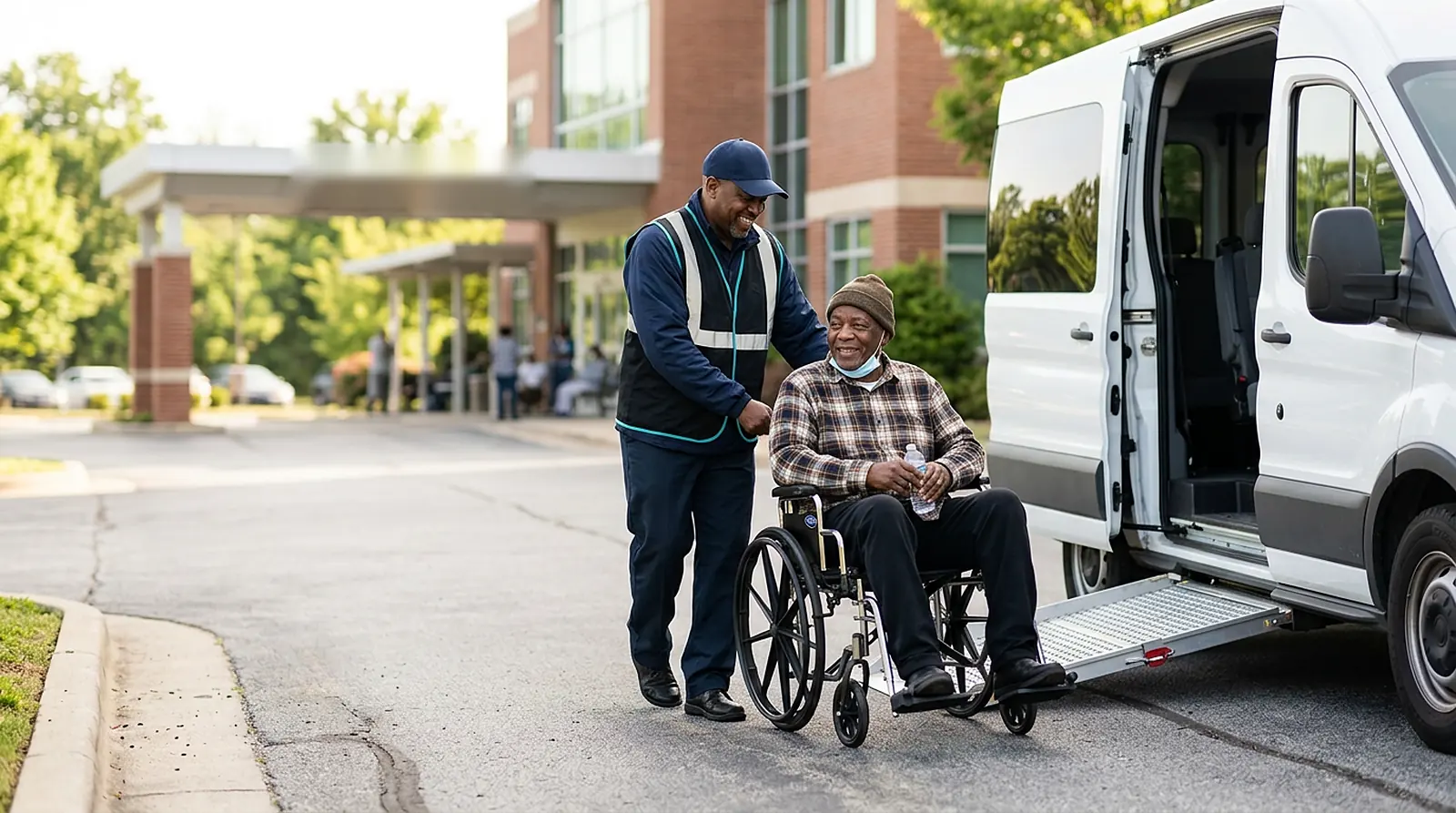
Routes that know the side entrance, not just the address.
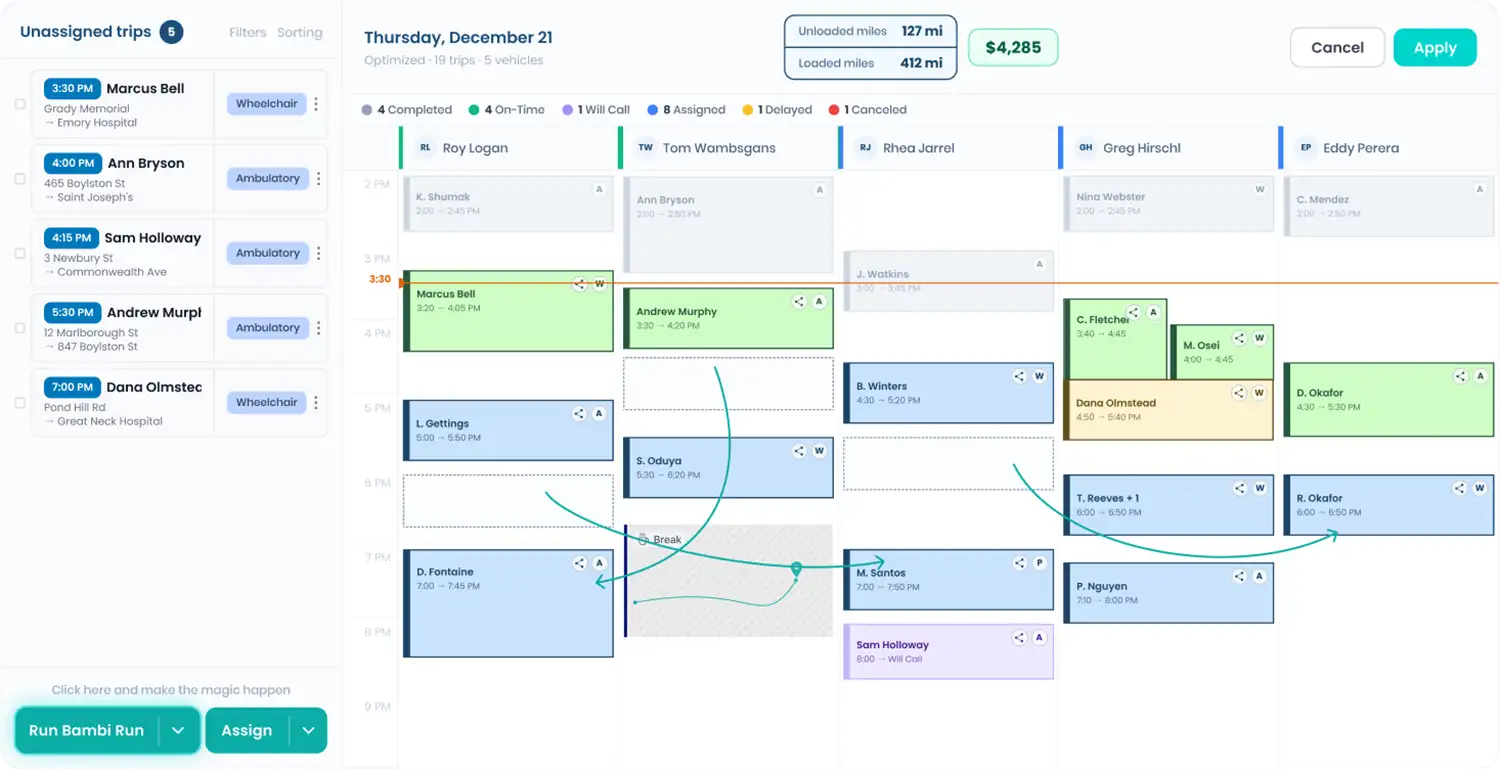
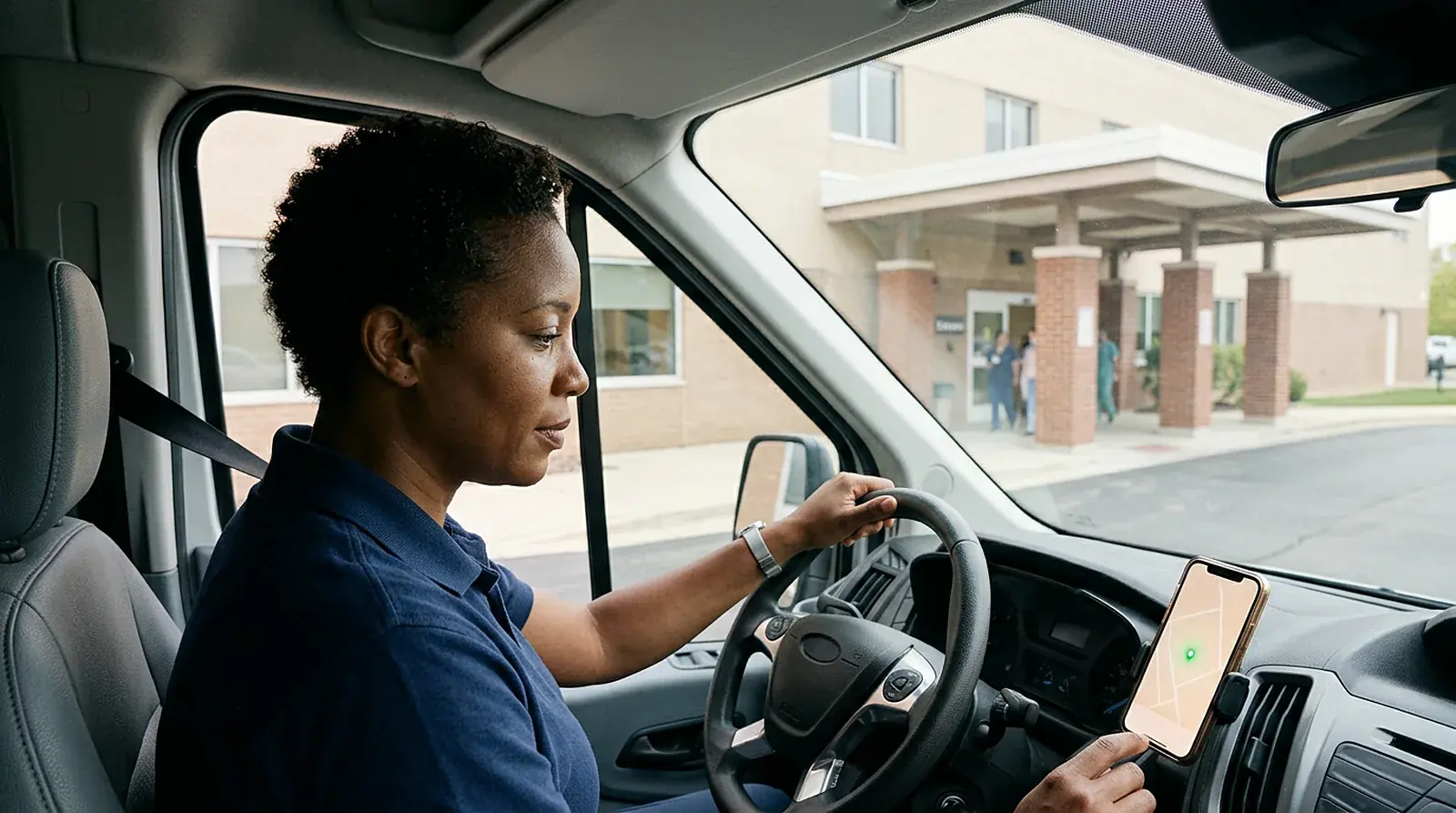
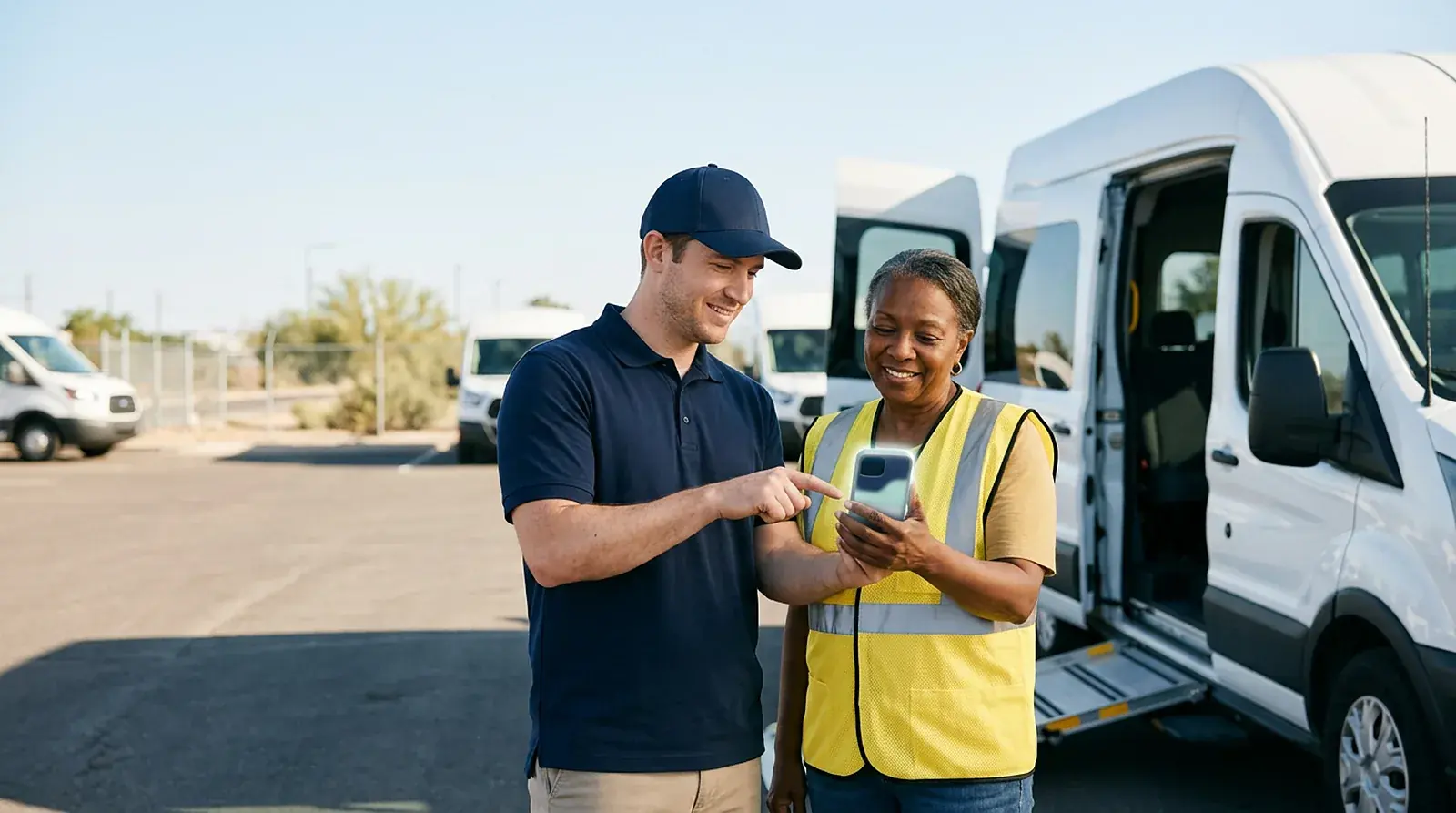
An optimized route that ends at the wrong hospital door is still a late trip. Run Bambi Run builds each driver's run around pickup times, vehicle space, driver skills and shifts, and geolocation pins send drivers to the exact entrance. Traffic shows on your live map so you see a slowdown early.
Every feature in this part of Bambi




























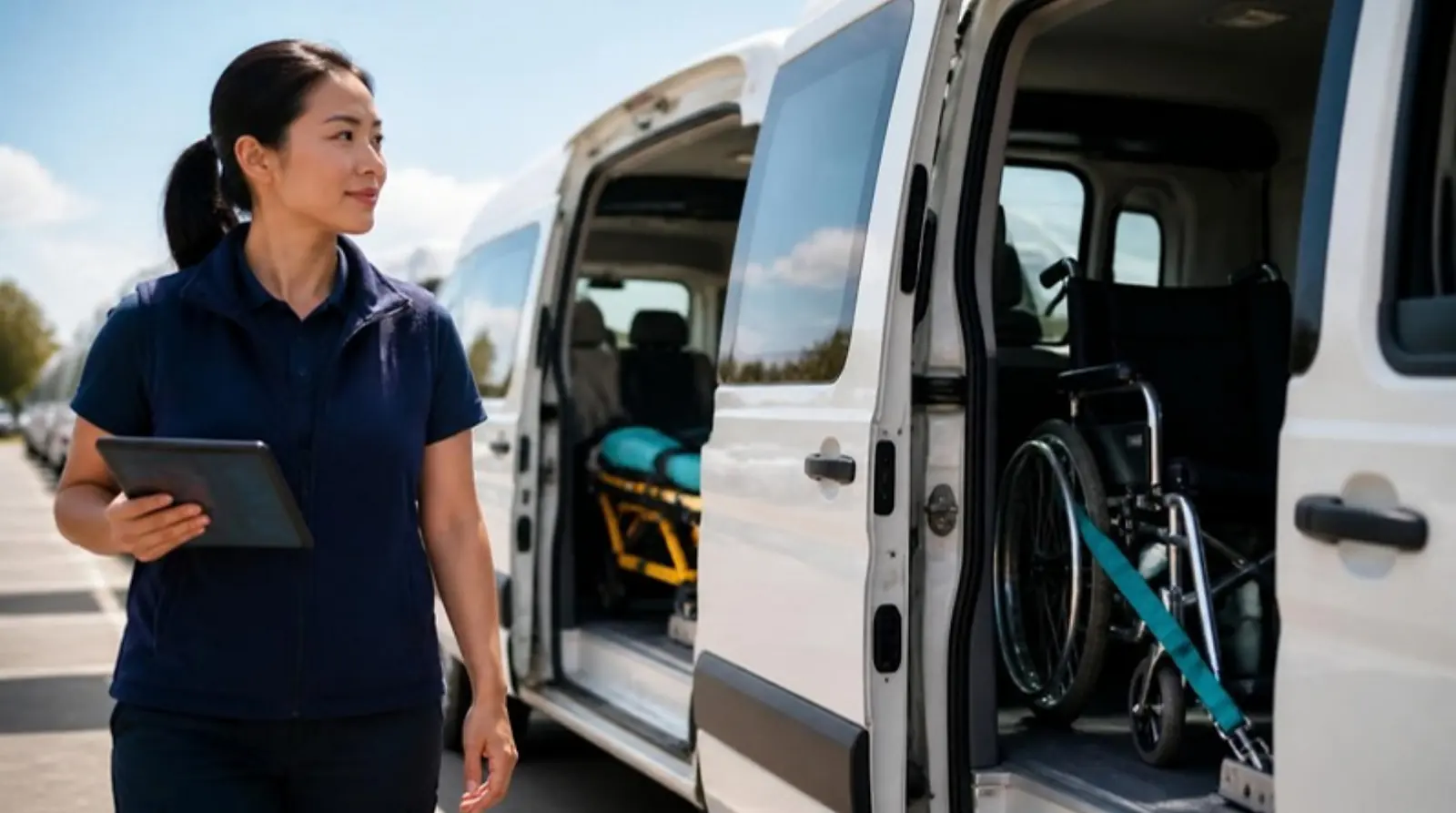

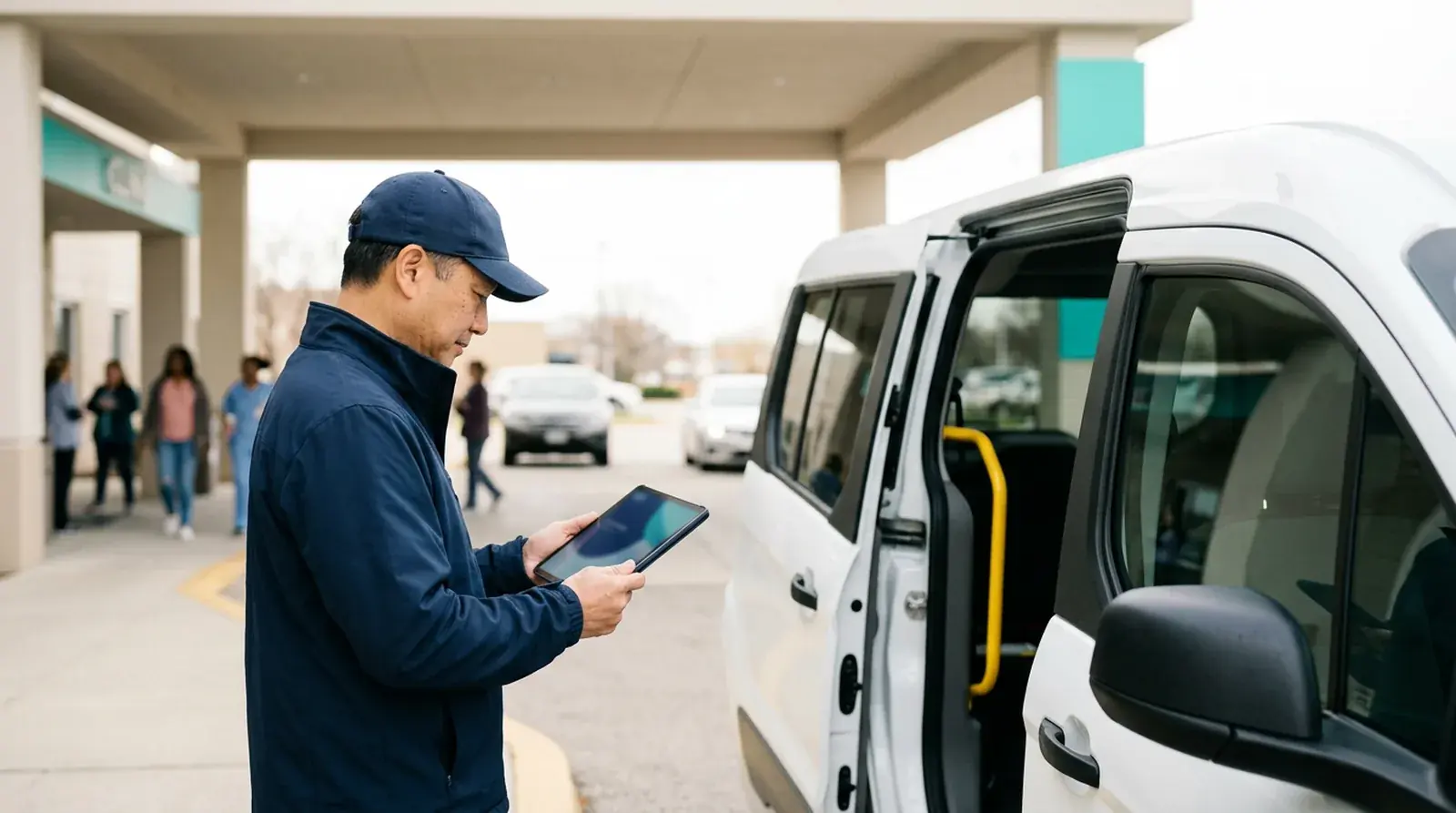



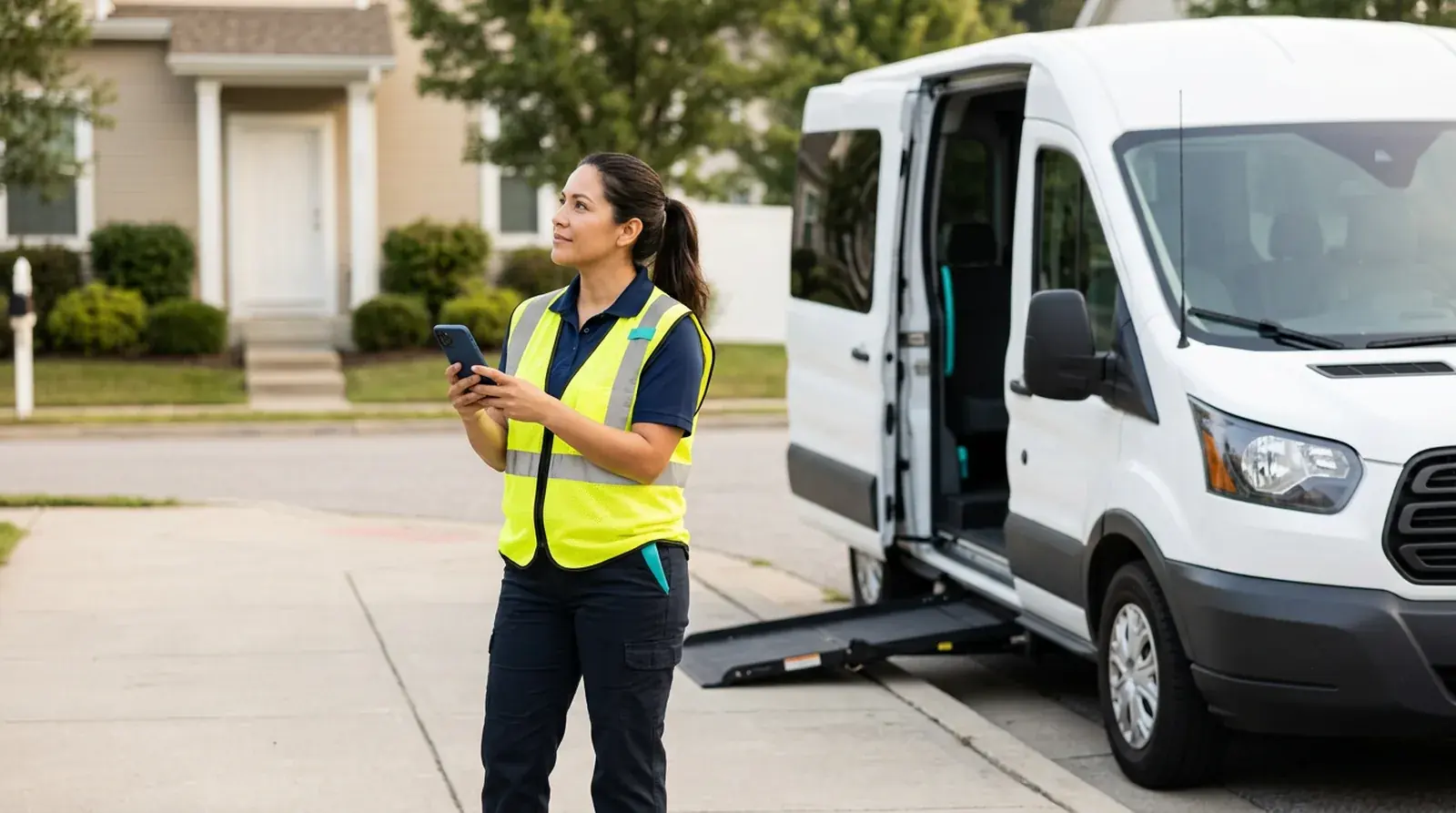


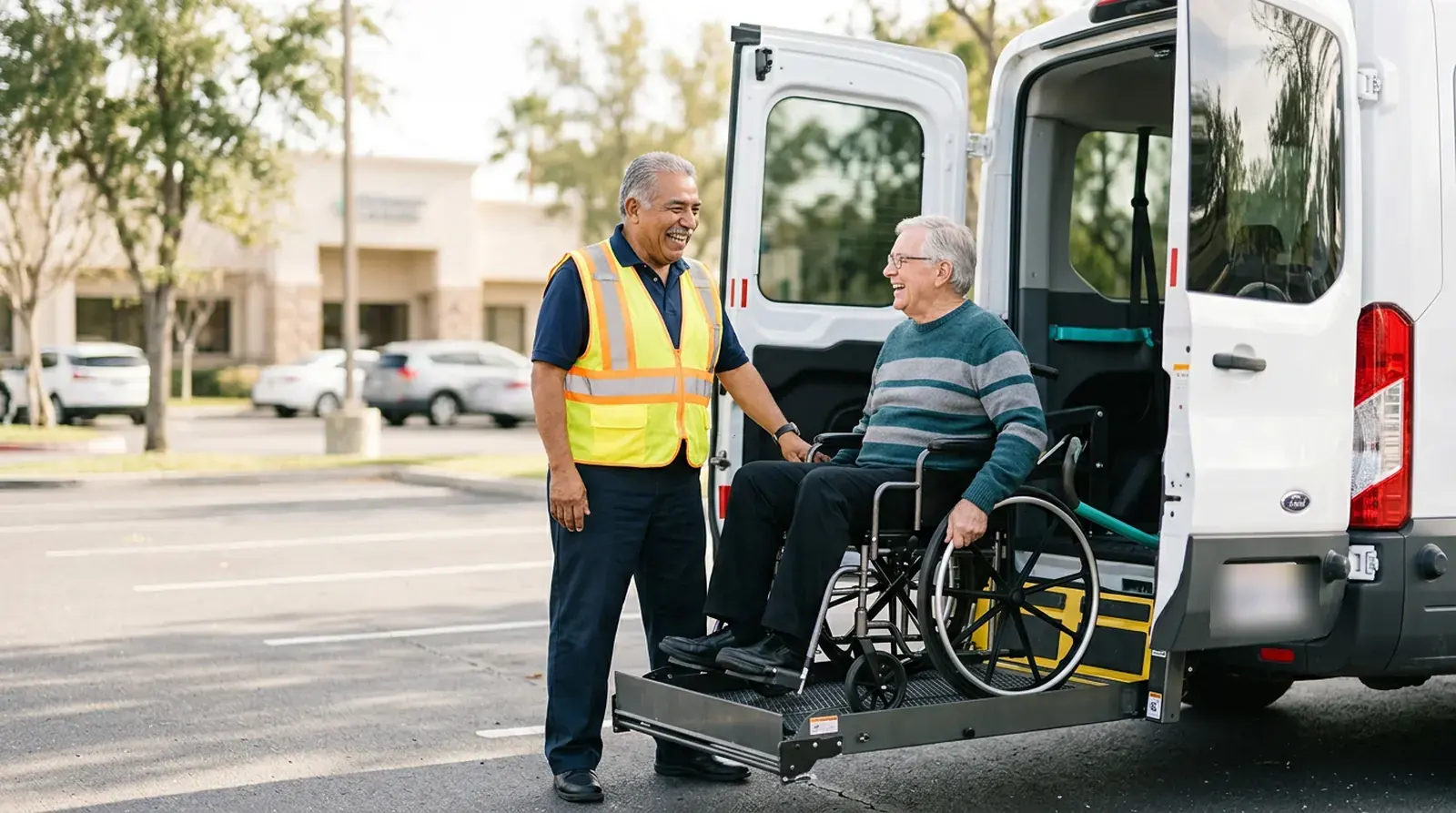











How a route gets built.
Weigh the variables
Run Bambi Run weighs pickup and drop-off times, pickup windows, vehicle capacity, equipment needs, driver skills and shifts, hundreds of data points per trip, before it places anything.

Sequence each run
Trips are assigned and ordered for each driver. With multi-loading on, compatible riders share a run, in a pickup and drop-off order you can review and change before the driver sees it.
Pin the exact spot
When 'main entrance' could mean four different doors, drop a geolocation pin on the exact entrance or traffic circle. The driver's navigation goes straight to that point.

Watch the road
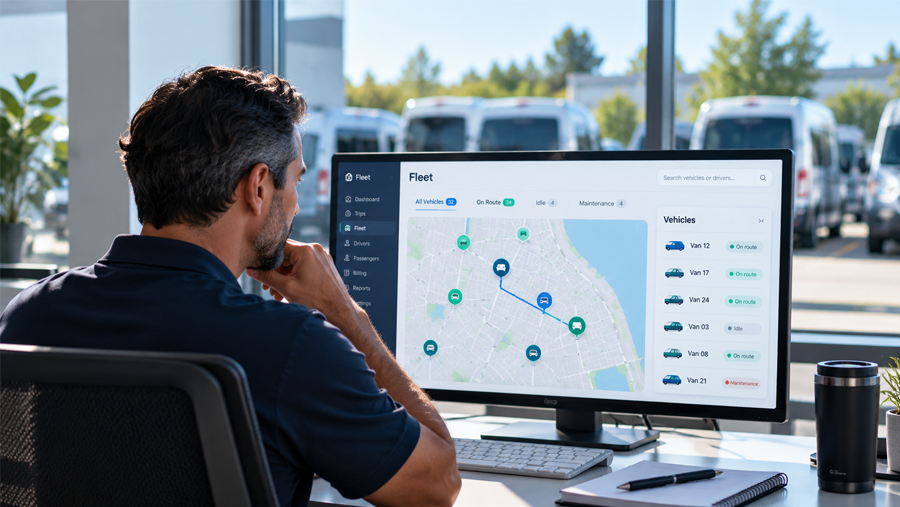
Turn on traffic in the Map tab to see congested roads and incidents near your drivers. Spot a delay early, call the facility, or reassign before it costs you.
What's inside Bambi route optimization.
Everything that turns a trip list into a route a driver can actually run.
Constraint-aware routing
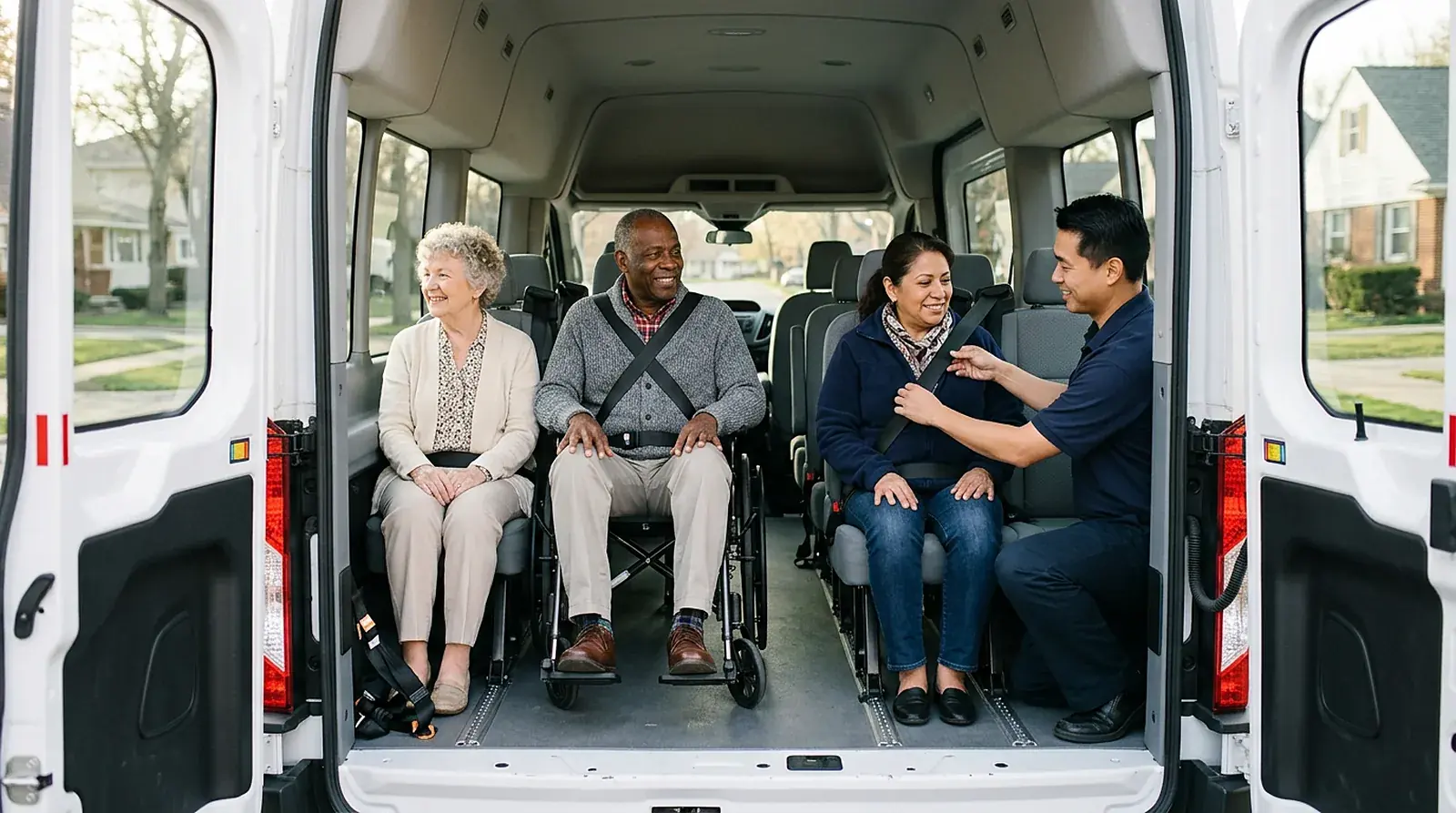
Wheelchair and stretcher space, driver skills and passenger preferences shape every route, so the plan holds up on the road.
Multi-load sequencing
Set or adjust the stop order for a shared run, and that order becomes the manifest in the Driver App.
Saved geolocations
Keep a library of exact pickup points, like a hospital's side entrance, and reuse them on any trip you book.
Estimated mileage
Each trip's detail card shows estimated mileage next to pickup and drop-off times, right on the dispatch calendar.
Traffic congestion layer
Roads moving slower than normal light up from yellow to dark red on the live map, with icons for crashes and construction.
Driver's choice of maps
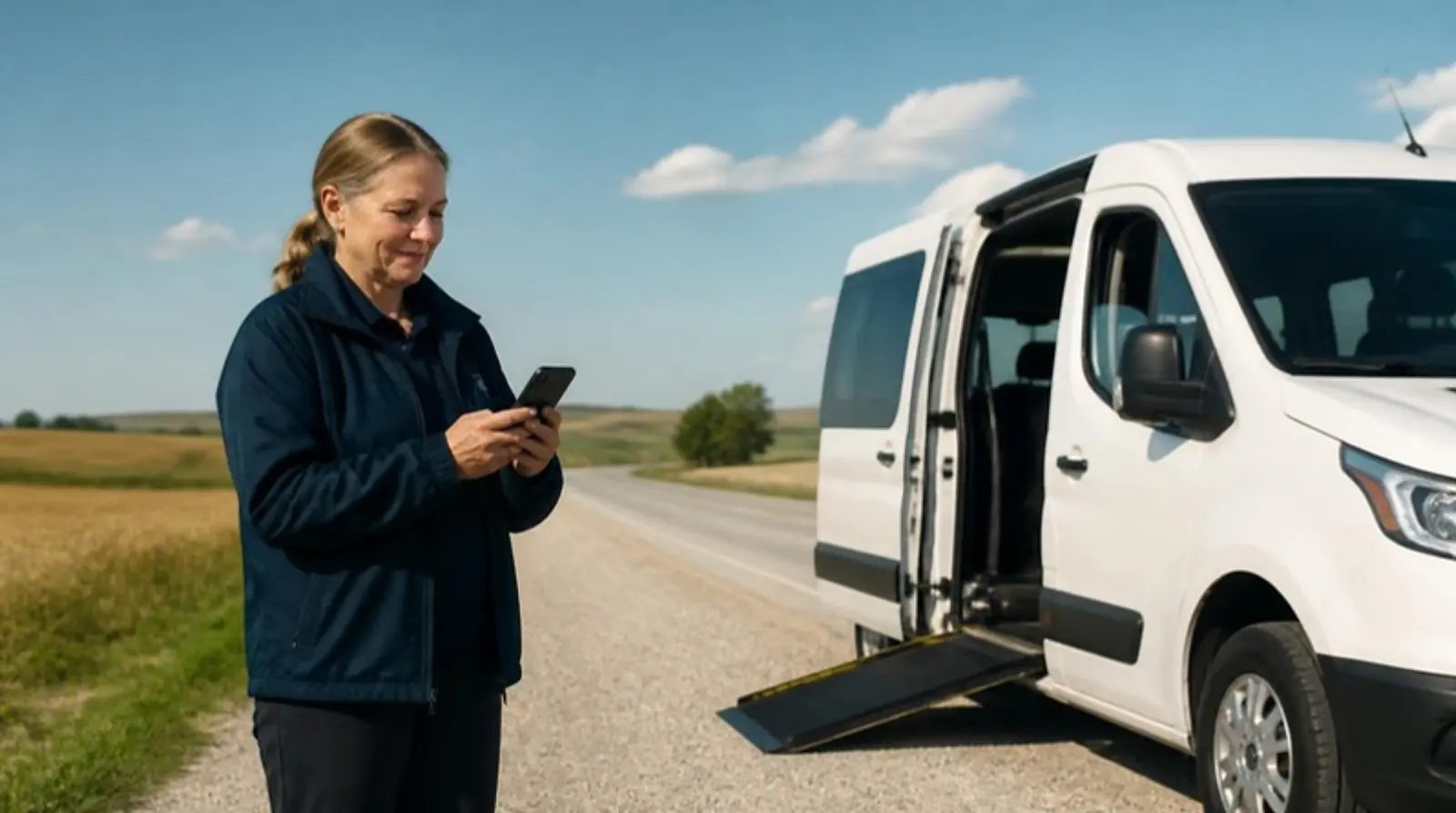
Drivers tap an address to open Google Maps, Waze or Apple Maps for turn-by-turn directions. We don't argue with anyone's favorite.
Run Bambi Run does the thinking for us. It routes automatically, multi-loads trips for efficiency, and maximizes our revenue. Accurate ETAs make planning easy, and setup was quick and smooth.

Frequently Asked Questions
Ready to Run with Bambi?